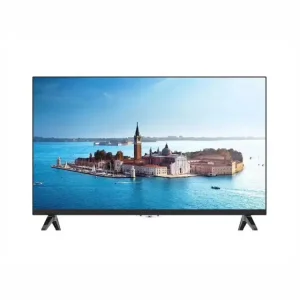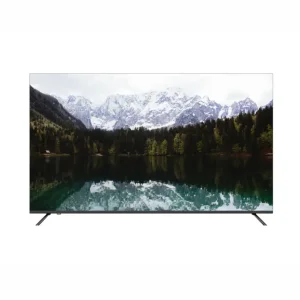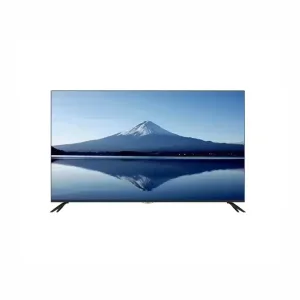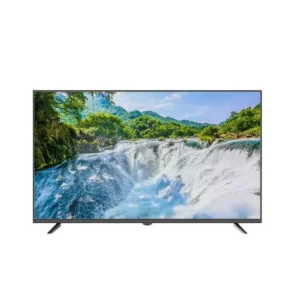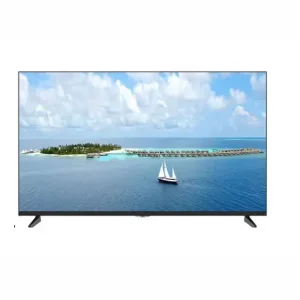
Precision webOS Commercial & Project Displays
Engineered to Korean commercial specifications, supporting dual RF tuners, KC compliance modules, and customized UI ecosystems.
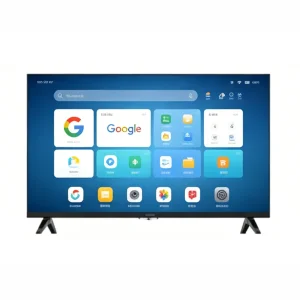
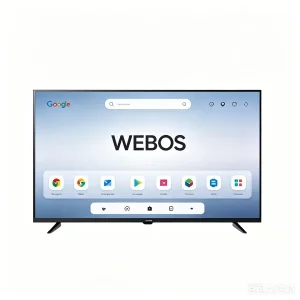
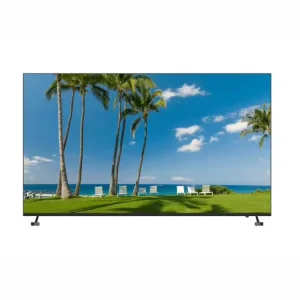
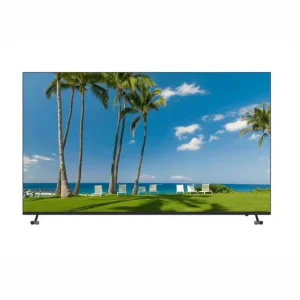
The Korean Smart TV Landscape & webOS Strategic Transition
A rigorous industrial perspective on why Korean domestic enterprises, hotel groups, and rental channels are shifting OEM procurement to specialized Chinese smart manufacturing nodes.
The Korea Hospitality & "Motel" Channel
South Korea’s hospitality sector, encompassing luxury business hotels in Seoul/Busan and dynamic boutique hotel/motel franchises nationwide, commands an aggressive 2–3 year hardware replacement cycle. Integration with local PMS (Property Management Systems), content casting security, and direct webOS commercial firmware customization are pivotal criteria for institutional Korean buyers.
Domestic Appliance Rental Ecosystems
The South Korean domestic appliance market is heavily dominated by long-term rental business models (Coway, SK Magic, LG HelloVision). Distributors require high-reliability panels, certified webOS Hub architectures, and low MTBF failure rates to sustain 36-to-60 month consumer rental contracts without eroding after-sales operational margins.
KC Testing & Standby Efficiency Standards
Korea enforces stringent Korean Certification (KC) parameters, including strict electromagnetic interference (EMC) regulations and standby power consumption thresholds below 0.5W under MEPS (Minimum Energy Performance Standards). As an experienced OEM, our engineering designs native low-power mainboards tailored specifically for Korean compliance passes.
Bridging LG webOS Ecosystems with Guangzhou Manufacturing Efficiency
How the consolidation of open-source webOS Hub licensing and Pearl River Delta supply chain clustering creates an unmatched competitive edge for international electronics importers.
The webOS Hub Ecosystem Revolution
With LG expanding its webOS ecosystem to external TV manufacturers globally, brand owners and local Korean retail private labels can now license the authentic webOS interface—featuring the Magic Remote pointer, ThinQ AI voice controls, Apple AirPlay 2, and major OTT apps (Netflix, YouTube, Coupang Play, Wavve, Tving)—without carrying astronomical domestic R&D costs.
Direct Source Supply Chain Advantage
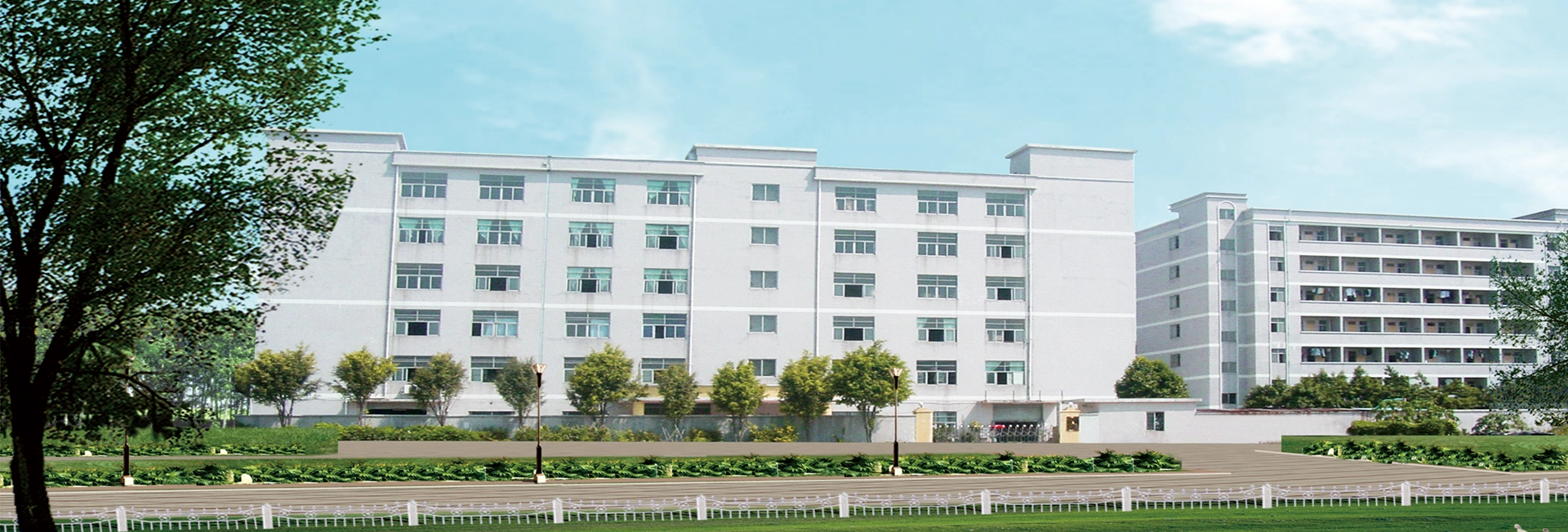
Operating out of Huadu District, Guangzhou, our manufacturing plant delivers immediate access to Grade-A Open Cell glass substrate allocations (BOE, CSOT, HKC, AUO). By integrating surface-mount technology (SMT), cleanroom backlighting modularization, and chassis stamping under one factory infrastructure, BOM costs are reduced by 18–24% compared to local assembly.
Flexible SKD / CKD Assembly Kits
For markets with differential tariff structures or local assembly requirements, our monthly CKD capacity of 200,000 units provides optimized flat packaging, precision screw torque diagrams, fully programmed motherboards, and automated factory firmware flashing protocols, enabling agile turn-around cycles.
Comparative Specification Matrix: Commercial webOS Deployments
Engineered for mission-critical reliability across diverse commercial, consumer, and specialized residential environments.
| Feature Category | Korean Hotel / KTV Commercial Spec | Consumer Retail Private Label (Korea) | Rental & Engineering Project Grade |
|---|---|---|---|
| Target Form Factor | 32" / 43" / 100" Explosion-Proof Glass | 43" / 50" / 55" / 65" / 75" / 85" Frameless QLED | 32" / 43" / 55" Durable Steel Backing |
| Operating System | webOS Hub Commercial Version / Hotel Mode | webOS Hub 2.0 / 22 with Full OTT Licensing | Customized webOS with Restricted Settings |
| Panel Architecture | Direct LED (DLED) / Anti-Glare / Tempered Surface | 4K UHD Frameless / Quantum Dot Color Gamut | Grade A+ Open Cell with 300+ nits luminance |
| Local Network / Tuner | ATSC / DVB-T2 / Dual-Band 2.4/5GHz Wi-Fi + RJ45 | ATSC Korean Digital Terrestrial + OTT Native | Industrial Gigabit Ethernet + Isolated RS232 |
| Power & Energy Certs | KC Certification, MEPS Standby <0.5W | KC, CE, FCC, RoHS, Energy Grade 1/2 Spec | Surge Protected 4KV Power Supply Unit (PSU) |
Emerging Smart TV Trends & Korean Sourcing Protocol
Anticipate the market shift towards high-resolution smart displays, voice-activated IoT gateways, and private cloud management.
AI Voice & IoT Smart Home Integration
Modern South Korean residential spaces prioritize centralized home IoT control. webOS equipped with LG ThinQ compatibility functions as an intelligent central dashboard, interconnecting refrigerators, washing machines, and climate control directly via voice commands executed on the remote.
Demand Surge for 75"+ Large Formats
The Korean living room standard has escalated from 55-inch models to 75-inch and 85-inch QLED UHD screens. Chinese source manufacturing affords global and Korean buyers exceptional scale-of-production pricing on large-chassis structural components, allowing competitive retail distribution below domestic conglomerate MSRPs.
Custom Firmware for Hotel IPTV Chains
Bulk hotel tenders require custom boot splash logos showing hotel branding, locked installation menus preventing guest tampering, volume limit caps, and clean-on-power-off cache wiping to ensure absolute guest privacy. Our dedicated software engineering team flashes tailored firmware at the factory line.
Ready to Configure Your Brand's webOS TV Lineup?
Direct factory quotations, KC compliance documentation, and evaluation sample units delivered directly to your logistics hub.
Frequently Asked Questions for webOS Sourcing & Korean Trade
Clear, direct answers regarding licensing, engineering compliance, delivery lead times, and factory audit capabilities.
Does your factory provide official webOS licensing for international distribution?
Can your factory build models conforming to South Korea's KC Certification standards?
What is the Minimum Order Quantity (MOQ) for OEM branding and customized Korean packaging?
Do you ship CBU (Complete Built-Up) or SKD/CKD to South Korea and surrounding ports?
How does your factory manage Quality Assurance on large panels (65", 75", 85", 100")?
Full Commercial & Residential Display Range
Review our comprehensive production line-up covering webOS Hub, Android TV, and ultra-large tempered glass commercial installations.