High-Efficiency Displays Engineered for Los Angeles Distribution
Pre-configured with North American ATSC tuners, 100V–240V wide-voltage power boards, and CEC Title 20 efficiency certifications.
-
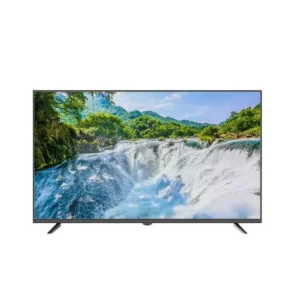 Hospitality & EngineeringHigh-Quality 43-inch Borderless FHD Android Smart TV for Los Angeles Hotel, Supermarket & Engineering ProjectsConfigure Specs »
-
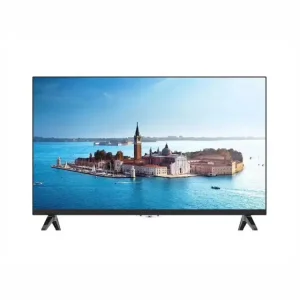 Wholesale SupermarketsOEM Borderless 32-inch High-Definition Android Smart TV for SoCal Retail Supermarkets & Network TV SystemsConfigure Specs »
-
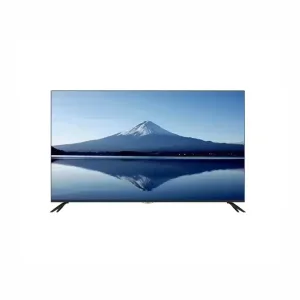 Commercial 4K HDRWholesale Frameless 50-inch 4K QLED Android Smart TV Ultra HD HDR for Los Angeles Commercial & Private-Label SupplyConfigure Specs »
-
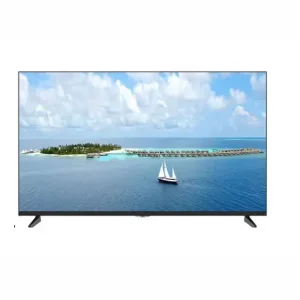 Dolby Vision FlagshipHigh-Quality 55-inch 4K QLED Android Smart TV with Frameless Dolby Vision for Greater LA Entertainment & ExportConfigure Specs »
Los Angeles & Southern California Display Ecosystem
A strategic analysis of high-density media production, luxury hospitality, and logistics hubs demanding next-generation ODM display manufacturing.
The Southern California Commercial Demands: Beyond Generic Televisions
The Greater Los Angeles metropolitan area represents a sophisticated, demanding nexus for commercial displays, professional monitors, and consumer smart televisions. From the luxury boutique hotels in Beverly Hills and Downtown LA (DTLA) to multi-dwelling residential developments in Irvine and sports entertainment lounges in Pasadena, procurement teams are actively looking past mass-market off-the-shelf retail models. They require customizable, long-duty-cycle display hardware backed by direct Original Design Manufacturer (ODM) partners capable of integrating specific hardware security, Pro:Centric/hospitality firmware, and localized protocol compatibilities.
Furthermore, California maintains the nation's most stringent regulatory standards under the California Energy Commission (CEC) Title 20 and Title 24 efficiency mandates. Standard panels sourced without precision power-factor-correction (PFC) circuitry or low-standby wattage controllers face immediate import blocks at the ports of Los Angeles and Long Beach. As an experienced source factory with 30+ years of engineering rigor, our ODM lines ensure full compliance with FCC Part 15 Class B, CEC efficiency verification, ETL/UL standards, and ATSC 3.0 / NextGen TV tuner requirements right off the assembly line.
Studio & Media Preview Displays
Color-critical editing environments across Burbank, Culver City, and Hollywood demand DCI-P3 95%+ Quantum Dot backlights and zero-pixel-defect validation for accurate client preview suites.
Boutique & Resort Hospitality
Custom hotel firmware with anti-theft settings, locked RF channel plans, customizable splash screens, and integrated Pro:Idiom or DRM decryption for seamless guest streaming.
Direct Port-to-Warehouse Logistics
Fast customs clearance into Southern California logistics hubs (Inland Empire, Ontario, Rancho Cucamonga) through direct ocean shipping routes from South China ports to San Pedro Bay.
Global Industry Evolution: MiniLED, QLED & Smart Ecosystems
Analyzing the migration from traditional Direct-lit LED (DLED) matrices to Quantum Dot Enhancement Film (QDEF) and open OS platforms.
The Quantum Dot Disruption in B2B & Commercial Displays
Global television manufacturing has entered an era of refined photoluminescence. Traditional white-LED backlights with color filters are rapidly ceding market share to Quantum Dot (QLED) architectures. By introducing an engineered nanocrystal substrate between the blue LED backlight array and the liquid crystal layer, QLED televisions achieve a narrower, highly saturated spectral peak in both green and red wavelengths. For the North American commercial buyer, this translates to peak brightness values exceeding 450–600 nits, HDR10+ and Dolby Vision compatibility, and 100% color volume reproduction under the rigorous DCI-P3 benchmark.
Simultaneously, the convergence of open platform operating systems—specifically Android Open Source Project (AOSP), official Google TV with GMS certifications, and LG webOS Hub licensing—has drastically altered enterprise procurement behavior. Importers no longer accept locked, proprietary systems that require constant hardware swaps. Modern Los Angeles commercial clients demand over-the-air (OTA) updateable architectures, customizable boot sequences for branding, and remote MDM (Mobile Device Management) capabilities to deploy digital signage campaigns or hospitality menus across thousands of dispersed nodes.
Quantum Dot Optical Film (QDEF)
Microscopic semiconductor particles that glow with pure red and green light when struck by blue LEDs, preventing color degradation over extended commercial operating cycles.
ATSC 3.0 / NextGen TV Integration
Native hardware demodulators handling 4K broadcast transmission, interactive data layers, and advanced emergency alert signaling compliant with FCC guidelines.
Wide-Band ESD & Surge Protections
Industrial-grade power boards designed to absorb utility grid micro-spikes and lightning fluctuations typical in coastal or heavily loaded suburban commercial zones.
Guangzhou Source Factory: Structural Cost & Production Advantages
How direct Tier-1 open cell partnerships, vertical integration, and modular assembly protect profitability for US enterprise brands.
30+ Years of Precision Engineering in Huadu District, Guangzhou
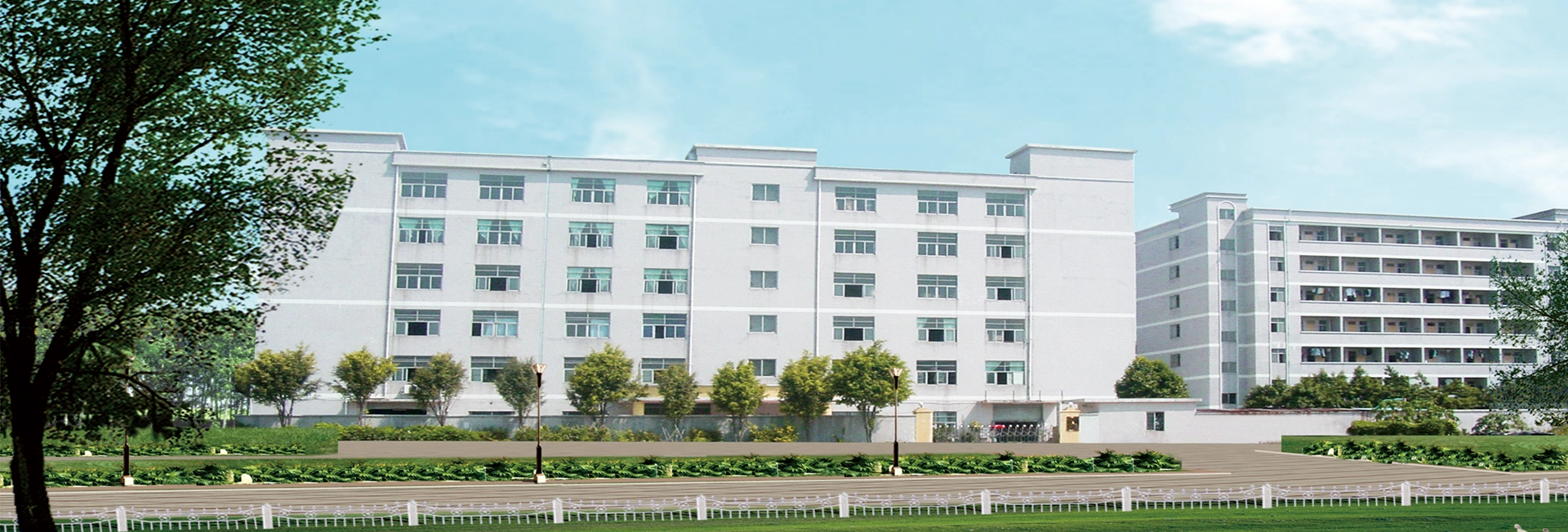
Founded in 1987, Guangzhou Wanteng Electronic Co., Ltd. (operating the internationally recognized WEIER brand) delivers manufacturing stability that trading brokers and assembly middlemen cannot replicate. Occupying over 60,000 m² of modern industrial space equipped with six automated high-precision SMT and display assembly lines, our facilities output more than 50,000 finished commercial televisions and 200,000 complete knock-down (CKD) / semi-knock-down (SKD) kits every month.
Our strategic geographic location in the Greater Bay Area grants us direct, daily upstream access to the world's leading open-cell glass foundries—including BOE, CSOT, and HKC. By negotiating raw panel allocations at factory scale, we insulate our Los Angeles partners from market price surges and guarantee fixed Bills of Materials (BOM) across multi-quarter contracts.
Zero Sub-Tier Middleman Markups
Direct communication with the factory engineering room ensures transparent unit economics, zero redundant broker margins, and instant answers on tooling adjustments or firmware customizations.
Multi-Tier QC & Burn-In Testing
Every single screen undergoes 100% incoming open-cell optical inspection, 4-to-8 hour high-temperature aging cycles, and rigorous vibration testing to survive trans-Pacific container freight.
SKD / CKD Supply for Tariff Optimization
For US distributors leveraging regional Free Trade Zones (FTZ) or secondary assembly facilities in North America, we supply precision-packaged SKD and CKD kits that drastically reduce import customs duties.
Accelerate Your OEM/ODM TV Pipeline for Southern California
Consult with our lead engineering team to review panel specifications, ATSC/FCC certification roadmaps, and custom enclosure toolings tailored to your project timeline.
Send Inquiry NowFrequently Asked Questions: Sourcing Smart TVs for North America
Critical engineering, regulatory, and logistics answers for procurement directors, commercial integrators, and brand distributors.
How do you guarantee California Energy Commission (CEC) Title 20 compliance?
All mainboard power supplies destined for the US market integrate high-efficiency switch-mode PWM controllers, auto-dimming ambient light sensors, and sub-0.5W ultra-low standby power rails validated by accredited testing laboratories.
What is the standard production lead time for 40HQ container shipments to Los Angeles?
Initial custom sample confirmation typically requires 7–12 days. Full container mass production takes approximately 25–30 days from final artwork and engineering lock. Ocean transit from Guangzhou/Shenzhen to the Port of Los Angeles takes 14–18 days.
Can you provide customized hospitality firmware and master locking features?
Yes. Our software engineering team can flash customized firmware that locks user access to internal Android settings, enforces customized startup logos, forces volume limits, and pre-installs property management streaming applications.
How does your factory handle after-sales service and spare parts for US buyers?
We supply 1% to 2% critical FOC (Free of Charge) spare parts with every container order—including power boards, mainboards, T-Con logic units, remotes, and LED backlight bars. Remote engineering video assistance is continuously available for your repair depot.
Full Spectrum LED & QLED Hardware for Enterprise Sourcing
Explore commercial grade large-format screens, high-durability explosion-proof panels, and OLED solutions engineered for demanding deployment.
-
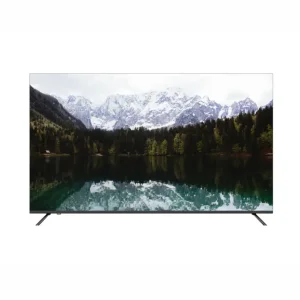 True Black OLEDHigh-Quality 65-inch 4K OLED Self-Emissive Android Smart TV with Dolby Vision for Los Angeles Luxury VenuesConfigure Specs »
-
 Large Screen QLEDOEM 75-inch 4K QLED Android Smart Voice TV Ultra HD Large Screen for Los Angeles Conference & Commercial DisplaysConfigure Specs »
-
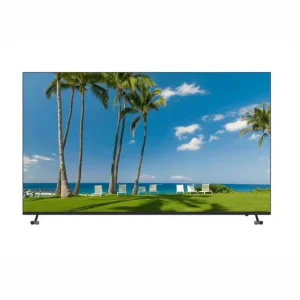 Flagship 85-inchHigh-Quality 85-inch 4K QLED Android Smart Voice TV Flagship Commercial Screen for Southern California DistributionConfigure Specs »
-
 100-Inch Heavy DutyHigh-Quality 100-inch 4K Explosion-Proof Smart TV with Tempered Glass for Los Angeles Hotels, Lounges & Public ArenasConfigure Specs »
-
Commercial Tempered GlassHigh-Quality 100-inch 4K Tempered Glass Heavy-Duty Display for SoCal Entertainment Venues & Export ContractorsConfigure Specs »
-
B2B Volume ModelHigh-Quality 43-inch Borderless FHD Android Smart TV Custom Solution for High-Density Southern California ApartmentsConfigure Specs »
-
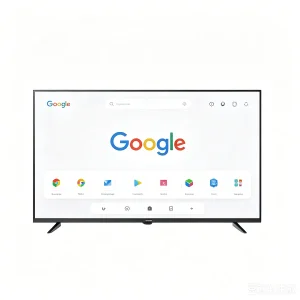 Google TV EcosystemHigh-Quality 43-inch 4K QLED Google Smart TV with Certified Voice Control for North American Brand ProgramsConfigure Specs »
-
75-Inch CommercialOEM 75-inch 4K QLED Smart Voice TV Custom Commercial Flagship Display for Southern California Corporate IntegratorsConfigure Specs »