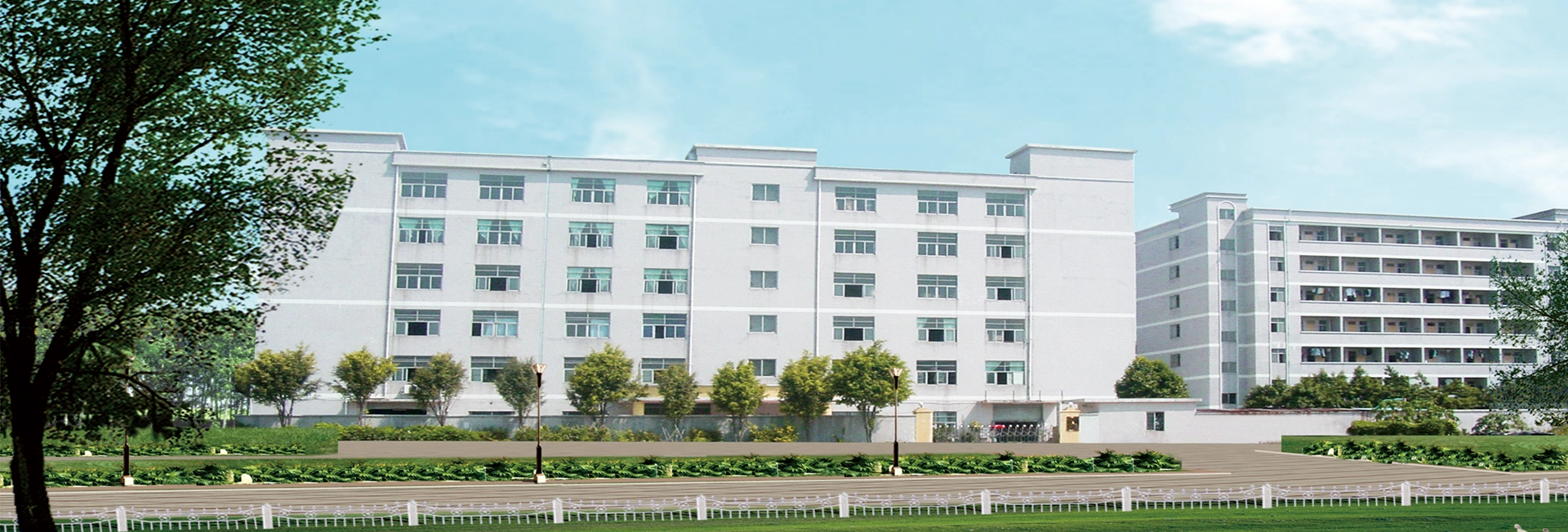
High-Refresh & Ultra HD Displays: Immediate Wholesale Procurement
Engineered for global export: explore commercial-grade smart television lines manufactured under strict ISO9001 and automated SMT standards in Huadu District, Guangzhou.
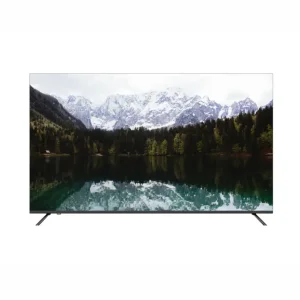
High-Quality 65-inch 4K OLED self-emissive Android smart TV with Dolby Vision
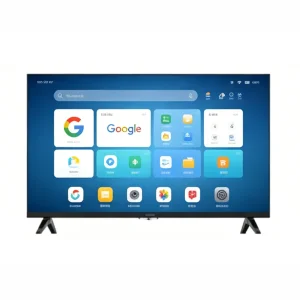
OEM 32-inch Full HD webOS Smart TV, LG System, for home, bedroom, hotel
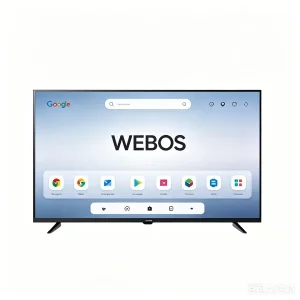
OEM 43-inch 4K UHD webOS Smart TV with AI, source manufacturer

OEM 75 -inch 4K QLED Android Smart Voice TV, Ultra HD Large Screen
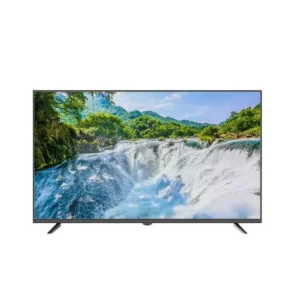
High-Quality 43-inch Borderless FHD Android Smart TV – Wholesale Custom
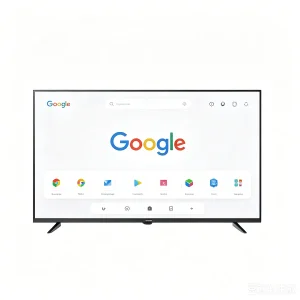
High-Quality 43-inch 4K QLED Google Smart TV, Google TV Export Network TV
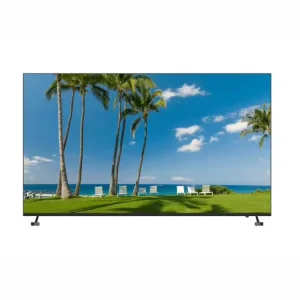
High-Quality 100-inch 4K Explosion-proof Smart TV with Tempered Glass
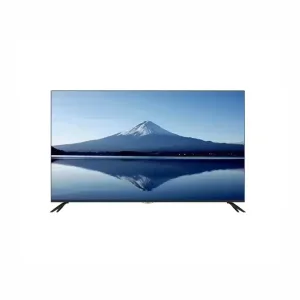
Wholesale Frameless 50-inch 4K Q LED Android Smart TV, Ultra HD HDR
The Global Democratization of Wholesale 120Hz Television Manufacturing
Why 120Hz is no longer an exorbitant luxury feature, but an indispensable procurement specification across gaming, hospitality, digital signage, and consumer electronics retail channels.
Historically, television panels supporting 120Hz refresh rates were restricted to hyper-premium consumer flagships commanding retail margins exceeding 300%. Over the past 24 months, advanced Generation 8.5 and Generation 10.5 substrate fabrication facilities operated by Chinese panel titans—including BOE, CSOT, and HKC—have altered this dynamic. Through micro-lithography optimization, higher yield throughput on glass cutting, and the integration of highly integrated single-chip scaler SoC solutions from MediaTek (Pentonic architecture) and Realtek, factory-gate procurement prices for high-refresh display assemblies have reached unprecedented parity with standard 60Hz panels.
This technical white paper serves international brand distributors, hotel integration consortiums, chain retailers, and commercial engineering project leaders. By evaluating how Chinese original equipment manufacturers (OEMs) and original design manufacturers (ODMs) optimize component supply chains, global buyers can procure the cheapest wholesale 120Hz televisions without compromising electromagnetic compatibility (EMC), panel longevity, or colorimetric integrity.
Silicon & T-Con Integration
Next-generation timing controllers (T-Cons) and system-on-chips now natively integrate high-speed multi-lane V-by-One and eDP interfaces, eliminating expensive peripheral bridge chipsets on the mainboard and lowering overall Bill of Materials (BOM) cost.
Generation 10.5 Substrate Yields
Modern fab lines allow 65-inch, 75-inch, and 85-inch glass substrates to be sliced with over 94% raw silicon utilization efficiency, drastically reducing the unit area cost for native high-refresh liquid crystal and QLED matrixes.
SKD / CKD Supply Flexibility
By shifting from completely built units (CBU) to semi-knocked-down (SKD) and completely-knocked-down (CKD) modular kits, tier-1 factories allow international importers to slash import tariffs from 35% down to 0–5% in emerging markets.
Native 120Hz Hardware vs. DLG / MEMC Emulation: Sourcing Clarifications
Navigating factory nomenclature: How international buyers must verify panel gate drivers, HDMI 2.1 throughput, and scaler silicon to prevent marketing mismatches in procurement contracts.
In wholesale RFQ negotiations, the term "120Hz TV" is often applied across three divergent technological tiers. For seasoned procurement officers, distinguishing between pure native panel hardware and interpolated firmware acceleration is vital for meeting end-user expectations in gaming and industrial monitoring environments:
| Architecture Type | Hardware Physical Panel | HDMI Interface Protocol | Input Lag (Motion-to-Photon) | Target Sourcing Application | Relative BOM Cost Index |
|---|---|---|---|---|---|
| True Native 120Hz Panel | 120Hz Open-Cell Glass + Dual Gate Drivers | Full HDMI 2.1 (48Gbps FRL, 4K@120Hz) | < 6.5 ms (Game Mode) | Next-gen console gaming, esports hotels, medical visualization | Baseline + 28-35% |
| Dual-Line Gate (DLG / HSR) | Native 60Hz Glass Driven at Double Timing | HDMI 2.0b / HDMI 2.1 TMDS (1080p@120Hz / 4K@60Hz) | approx. 11 - 14 ms | Mid-tier gaming TVs, sports bars, retail chains, value commercial displays | Cheapest Wholesale (+8-12%) |
| Software MEMC Interpolation | Standard 60Hz Panel + Frame Insertion IC | HDMI 2.0 (18Gbps standard inputs) | > 35 ms (Unsuitable for Interactive) | Public broadcasting, hospitality IPTV, basic digital signage | Lowest Cost (+2-4%) |
Technical Procurement Best Practice: The Silicon Verification Clause
When drafting your OEM contract with Chinese suppliers for "Wholesale Cheapest 120Hz TVs", explicitly state the required Scalable Refresh Protocol. If your market targets PlayStation 5 and Xbox Series X gamers, mandate: "Native 4K 120Hz RGB 4:4:4 via HDMI 2.1 with VRR (Variable Refresh Rate) and ALLM (Auto Low Latency Mode) enabled on RTD2885 / MT9638 or superior mainboard SoC." If your price-point targets high-volume retail promotional flyers, specify "4K 60Hz with 120Hz DLG acceleration mode" to save up to 22% on panel procurement costs while retaining an attractive 120Hz marketing angle.
China Factory 4.0: Pearl River Delta Supply Chain Resilience
How the geographical concentration in Huadu District, Guangzhou, and surrounding electronics clusters delivers unbeatable economies of scale, component lead times, and factory-gate pricing.
60,000 m² Integrated Infrastructure
Guangzhou Wanteng Electronics operates high-throughput cleanrooms, six automated SMT pick-and-place lines, and dedicated optical assembly bays, reducing internal logistics transfer costs to near zero.
Direct Open-Cell Allotments
By procuring raw open-cell glass directly from tier-1 substrate foundries in Shenzhen and Guangzhou without intermediary brokers, factories eliminate secondary markups and lock in stable volume allocations during global price fluctuations.
Multimodal Port Access
Direct adjacency to Nansha, Huangpu, and Shenzhen ports enables container drayage within hours of final QA sign-off, expediting transit times to North America, Western Europe, and Latin America.
Deconstructing the Factory Gate BOM: Why Source Factories Outperform Traders
When sourcing cheap 120Hz televisions through trading middlemen, overseas buyers absorb layers of hidden markups ranging between 15% and 25%. In contrast, partnering directly with a source manufacturer like WEIER (operating since 1987 in Huadu District) offers complete structural visibility into the Bill of Materials:
- Open-Cell Display Matrix (52 - 58% of BOM): Directly bonded via internal Chip-on-Film (COF) automated equipment in cleanroom conditions, minimizing defect pixel rates to A+ standards (Zero Bright Dot tolerance).
- Mainboard & High-Frequency Scaler (16 - 20% of BOM): Automated SMT placement of high-speed DDR4 memory, HDMI 2.1 receivers, and multi-core ARM application processors.
- Backlight Unit (BLU) Module (10 - 14% of BOM): In-house lens positioning and optical diffuser sheet alignment, calibrated for 350 to 500 nits of balanced luminance without edge bleeding.
- Structural Tooling & Bezel Shells (6 - 8% of BOM): Aluminum injection molding and ultra-thin frameless metal bending for minimalist aesthetic appeal.
- Quality Verification, Packing & Royalty Cleared Firmware (5 - 7% of BOM): Pre-installed Android TV, Google TV, or webOS systems with complete regional tuner licensing (ATSC 3.0, DVB-T2, ISDB-T).
Enterprise & Commercial Application Scenarios for 120Hz Displays
Beyond traditional consumer living rooms: How global industries are capitalizing on high frame rate, low-latency commercial screens to build competitive advantages.
Next-Gen Esports Hotels
Global hospitality brands are upgrading rooms with 55" and 65" 120Hz low-lag displays paired with gaming PCs and consoles, achieving 40% higher room booking premiums.
High-Impact Sports Lounges
Eliminating motion blur during high-velocity ball tracking: commercial venues use 75" to 100" explosion-proof high-refresh screens with tempered glass fronts for continuous crowd-facing operation.
Interactive Digital Signage
Smooth touch interaction, high-FPS animated wayfinding, and fluid promotional video rendering in premium shopping malls, airport terminals, and financial institutions.
Simulation & CCTV Control
Operating 24/7 in industrial monitoring rooms where multi-channel camera feeds and high-speed motion tracking require artifacts-free image stabilization without ghosting.
Firmware Personalization for B2B Clients
Source factories offer deep Android OS customization for enterprise contracts: customized bootscreens, locked hotel management modes (disabling user setting tampering), pre-installed IPTV APK middleware, automated wake-on-LAN (WoL), and centralized remote display asset management across thousands of deployed endpoints.
SKD / CKD Assembly Strategies: Slashing Tariffs in Protected Markets
How international importers in South America, Africa, and South Asia leverage our 200,000 pcs/month CKD output to optimize customs duties, container loading ratios, and domestic tax incentives.
1 CBU (Completely Built Unit)
Turnkey televisions packed in retail color boxes, pre-certified and ready for immediate retail distribution. Ideal for North America, Western Europe, and GCC markets with low flat tariff barriers.
2 SKD (Semi-Knocked Down)
The screen module arrives integrated with the backlight, while mainboards, power boards, speakers, and chassis plastics are packaged separately. Slashes tariff codes while requiring minimal local assembly equipment.
3 CKD (Completely Knocked Down)
Raw open-cell panels, bare optical sheets, LED lightbars, loose screws, and unwired electronics. Maximizes shipping density (up to 3x more units per 40HQ container) and satisfies strict domestic value-add regulations.
Worldwide Regulatory & Compliance Matrix
All WEIER OEM production batches are custom engineered to meet target regional mandates:
Factory Direct Volume Selection: Complete Smart Lineups
Select your screen matrix, operating platform, and chassis form-factor. All models are available for private labeling, custom firmware loading, and SKD/CKD container shipping.
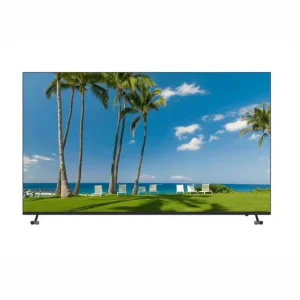
High-Quality 85 -inch 4K QLED Android Smart Voice TV, ultra-high definition
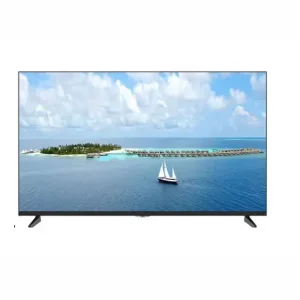
High-Quality 55-inch 4K QLED Android Smart TV with Frameless Design, Dolby Vision
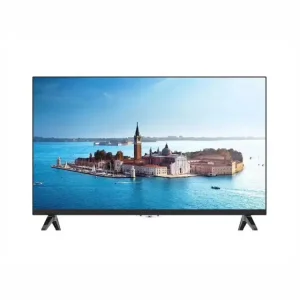
OEM Borderless 32 inch high-definition Android smart TV wholesale for supermarkets
OEM 75 -inch 4K QLED Android Smart Voice TV, Ultra HD Large Screen
High-Quality 65-inch 4K OLED self-emissive Android smart TV with Dolby Vision
High-Quality 43-inch Borderless FHD Android Smart TV – Wholesale Custom
OEM 43-inch 4K UHD webOS Smart TV with AI, source manufacturer
High-Quality 100-inch 4K Explosion-proof Smart TV with Tempered Glass Screen
Frequently Asked Questions: Wholesale 120Hz TV Sourcing
Comprehensive answers straight from our Huadu factory engineering and international trade compliance teams.