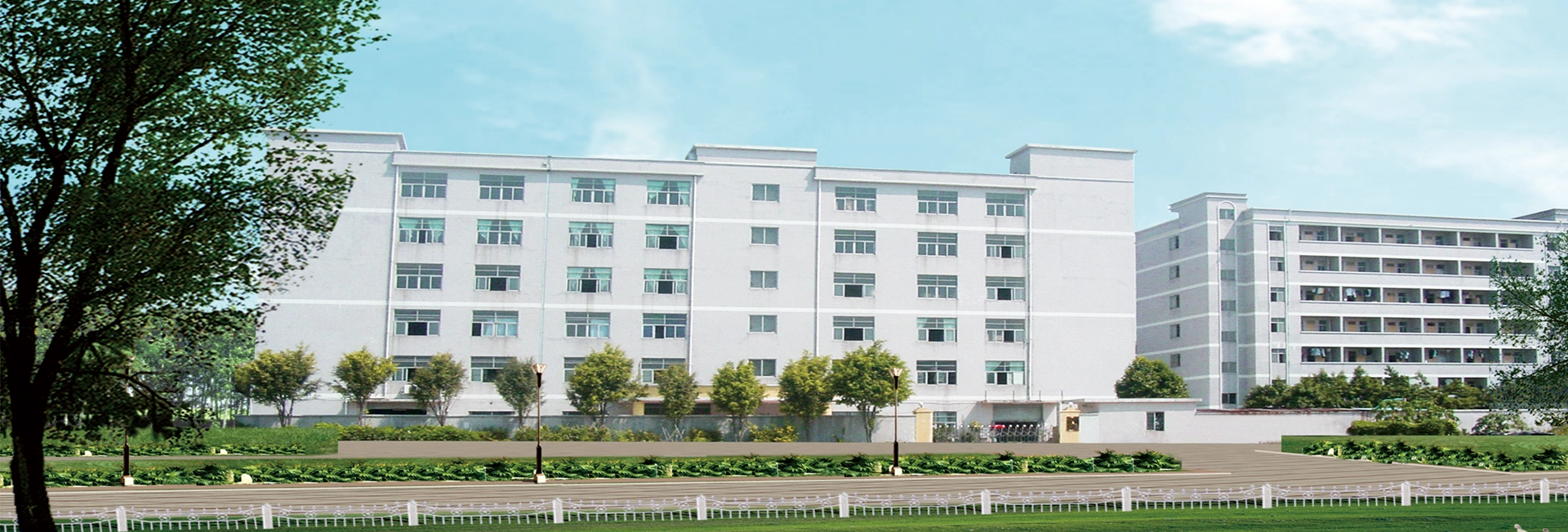
High-Efficiency Large-Screen Flagships & Smart Displays
Engineered for global wholesale markets with Tier-1 glass substrates, adaptive chipsets, and industrial certifications.
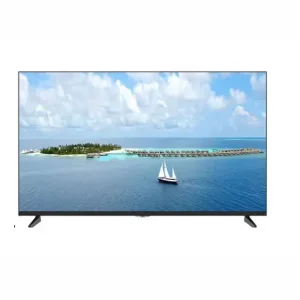
High-Quality 55-inch 4K QLED Android Smart TV with Frameless Design, Dolby Vision
View Specifications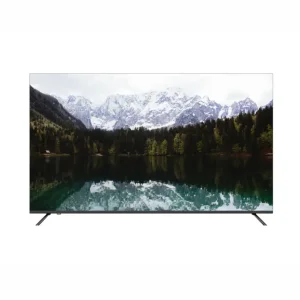
High-Quality 65-inch 4K OLED self-emissive Android smart TV with Dolby Vision HD TV
View Specifications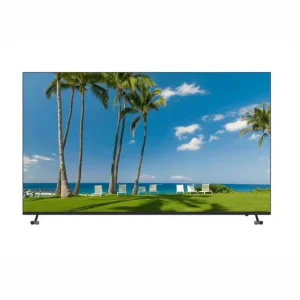
High-Quality 85-inch 4K QLED Android Smart Voice TV Ultra High Definition
View Specifications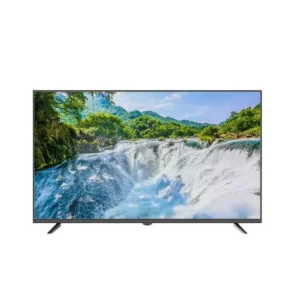
High-Quality 43-inch Borderless FHD Android Smart TV Wholesale Custom Engineering
View Specifications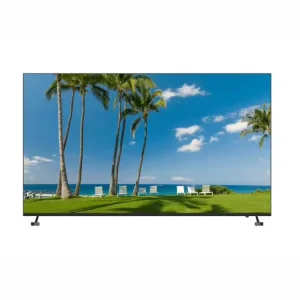
High-Quality 100-inch 4K Explosion-proof Smart TV with Tempered Glass Screen
View Specifications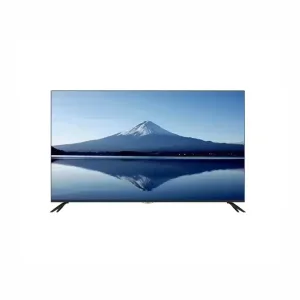
Wholesale Frameless 50-inch 4K Q LED Android Smart TV Ultra HD HDR Commercial
View Specifications
OEM 75-inch 4K QLED Android Smart Voice TV Ultra HD Large Screen Commercial
View Specifications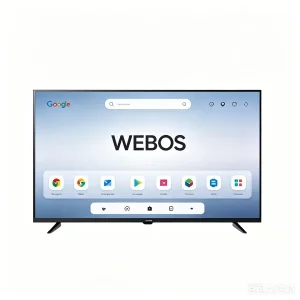
OEM 43-inch 4K UHD webOS Smart TV with AI Source Manufacturer
View SpecificationsThe State of Global Wholesale Biggest OLED TV Manufacturers
How the convergence of self-emissive sub-pixel architectures, multi-model motherboards, and vertical manufacturing reshapes commercial supply chains.
Self-Emissive Architectural Shift
Unlike traditional LED backlights requiring multi-zone local dimming sheets, modern OLED assemblies utilize self-luminescent organic compounds across tens of millions of discrete pixels. This architectural distinction guarantees absolute black levels (0.0005 nits), infinite contrast ratios, and instantaneous pixel response times below 0.1ms, eliminating blooming artifacts for cinematic monitors and mission-critical control displays.
Generation 8.5+ Substrate Fab Scaling
The global volume availability of the biggest OLED displays (from 65-inch and 77-inch up to 88-inch and 97-inch monolithic glass) relies on advanced Multi-Model Glass (MMG) processing lines. Modern Generation 8.5 and 10.5 fabs cut diverse display sizes from single mother glass substrates, significantly driving yield rates past 92% and drastically curbing unit costs for institutional procurement.
Thermal & Lumen Management
Engineering the largest self-emissive screens requires complex thermal dissipation matrices. High-throughput manufacturers incorporate vapor chamber graphite heatspreaders and machine-learning burn-in mitigation algorithms. This integration enables sustained 1,000+ nit peak HDR highlights without thermal runaway or pixel degradation during uninterrupted commercial operations.
China Source Factory Efficiency in Ultra-Large Display Assemblies
Direct supply-chain density in Huadu District, Guangzhou delivers unmatched unit cost structures and agile prototyping for global importers.
Vertical Sourcing Consolidation
By housing SMT surface-mount lines, metal chassis stamping, injection molding, and Cleanroom Class 1000 optical lamination within a contiguous manufacturing footprint, source factories eliminate middleman transportation markups. This consolidated fabrication lowers structural overhead and secures consistent bill-of-materials (BOM) traceability across multi-container production schedules.
Tri-Platform Operating System Agility
OEM and ODM clients require targeted software platforms tailored to diverse global territories. Direct engineering teams deliver native firmware adaptations across standard Android Open Source Project (AOSP), certified Google TV with DRM Widevine L1, and webOS Hub ecosystems. Every solution supports full DVB-T2/S2, ATSC 3.0, and ISDB-T tuner standards customized per landing port.
High-Density SKD & CKD Logistics
To assist regional assembly plants in bypassing escalating finished-goods tariffs, leading manufacturing lines support Semi Knocked Down (SKD) and Completely Knocked Down (CKD) configurations. Customized cushioning, pre-tested optical sub-assemblies, and localized jig tooling blueprints ensure rapid secondary assembly yields exceeding 99.4% in destination markets.
Commercial, Industrial & Hospitality Application Scenarios
Where ultra-large format OLED and advanced display engineering meet intense real-world performance criteria.
Hospitality & Luxury Suites
Integrated Pro:Centric and hospitality CMS compatibility, hidden audio jack routing, wake-on-LAN scheduling, and custom welcome launcher animations designed for five-star hotel properties.
Broadcast & Color Grading
CalMAN-ready hardware calibration interfaces, 99% DCI-P3 wide color gamut reproduction, Delta E < 1.5 color accuracy, and zero backplane light bleeding essential for broadcast master monitoring.
Industrial KTV & Explosion-Proof Venues
Tempered 4mm surface protection glass, anti-shatter resin bonds, robust chassis heat dispersion, and vibration-proof frame gaskets built specifically for high-traffic commercial entertainment lounges.
Executive Boardroom Displays
Ultra-low glare anti-reflective optical coatings, multi-window screen casting (AirPlay, Miracast, Google Cast), integrated far-field microphone arrays, and seamless video conferencing optimization.
Structured OEM/ODM Manufacturing Methodology
A rigorous 6-stage engineering and quality verification framework ensuring zero-defect batch delivery for global enterprise contracts.
Engineering Specification Mapping
Alignment on panel sizing, peak candela ratings, color space target curves, platform OS licenses, regional analog/digital tuner standards, and terminal I/O layout configurations.
Board-Level Prototyping
Mainboard chipset routing, power supply unit (PSU) high-voltage isolation design, and thermal load modeling ensuring stable low-standby power draw meeting Energy Star and CE standards.
Software & UI Firmware Customization
Customization of boot screens, dynamic system branding, customized launcher wallpapers, master hotel menu setup, and pre-installed application ecosystems with OTA software update channels.
Automated SMT & Assembly
Mass assembly across high-precision automated production lines, implementing cleanroom panel mating, ESD protective grounding protocols, and strict worker torque controls.
Full-Spectrum Aging & QC Stress Tests
Mandatory 4-hour to 8-hour continuous thermal aging, White Balance auto-chromatic sensor calibration, drop impact simulation, dielectric withstand tests, and packaging drop testing.
Consolidated Export Logistics
Reinforced double-wall corrugated carton packing, palletized container payload optimization, customs clearing documentation prep, and maritime cargo assurance for global shipping.
Industry Trends Shaping the Wholesale OLED Television Market
Key technological transformations steering consumer demand, commercial specifications, and factory floor allocations.
Micro-Lens Array (MLA) Integration
Micro-Lens Array architectures utilize billions of microscopic convex lenses layered over OLED emitters to redirect internal light scattering forward. This mechanical optical innovation boosts peak screen brightness up to 1500–2100 nits without driving higher electricity consumption or accelerating organic compound degradation.
144Hz Native Variable Refresh Rates
The convergence of enterprise display panels with gaming-tier specifications demands 120Hz and 144Hz native refresh rate panels. Combined with HDMI 2.1 Full-Bandwidth (48Gbps) support, Auto Low Latency Mode (ALLM), and eARC passthrough, OEM products meet the dynamic expectations of console gamers and professional sim developers.
Zero-Gap Wall Mounting Mechanics
Next-generation commercial TV enclosures feature integrated flush-wall brackets, flat backplanes, and peripheral breakout boxes (One-Connect styling). By relocating power boards and inputs away from the display chassis, panels mount completely flat against interior walls for architectural elegance.
Frequently Asked Questions for Global OLED & Display Sourcing
Direct technical and operational responses addressing lead times, compliance, custom tooling, and shipment minimums.
What is the typical Minimum Order Quantity (MOQ) for custom OEM orders?
For custom branded Complete Built Units (CBU), standard production MOQs range from 200 to 500 units per screen diagonal size, depending on whether unique bezel injection molds are needed. For SKD and CKD deliveries, flexible trial orders can start lower to accommodate market pilot rollouts.
How are burn-in risks mitigated on wholesale commercial OLED orders?
Our engineering configurations integrate real-time Pixel Shift algorithms, dynamic static logo luminance dimming, and autonomous background compensation cycles that activate during sleep cycles. For high-hour commercial deployments, we balance current drives to protect organic compounds.
Which international safety and regulatory certifications are provided?
All export configurations carry standard CE (LVD/EMC), FCC Part 15B, and RoHS compliance certificates. Additional territory-specific certifications such as CB scheme, SASO, NOM, and Energy Star ratings can be coordinated and tested during pre-production verification phases.
What are the standard factory manufacturing lead times?
Pre-production sample verification and software flashing typically require 10–14 business days. Mass automated container production timelines generally span 25 to 35 calendar days following formal golden sample approval and deposit confirmation.
Can firmware be locked to prevent unauthorized hotel or retail tampering?
Yes. Custom firmware images include designated Hotel Mode locks that restrict USB setting cloning, clamp maximum decibel output limits, disable physical side-panel buttons, and force dynamic boot redirection directly to hospitality portal interfaces.
Do you support factory physical inspections and third-party QA audits?
We welcome third-party audit firms (such as SGS, TÜV Rheinland, and Bureau Veritas) alongside client engineering teams to audit production line SMT, cleanrooms, and container loading at our Huadu District, Guangzhou facility.
Verified OEM & Commercial Display Catalog
Review comprehensive technical product lines ready for institutional branding, container allocation, and rapid dispatch.
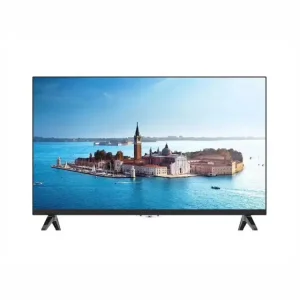
OEM Borderless 32 inch high-definition Android smart TV wholesale for supermarkets
View Specifications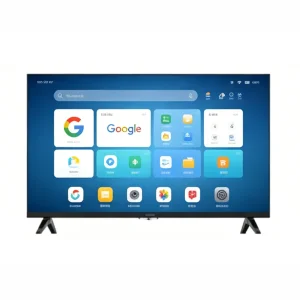
OEM 32-inch Full HD webOS Smart TV, LG System, for home, bedroom, hotel
View Specifications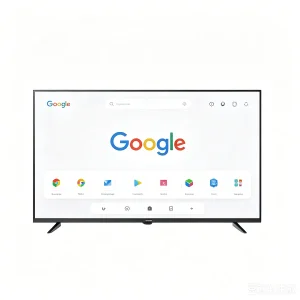
High-Quality 43-inch 4K QLED Google Smart TV, Google TV Export Network TV
View Specifications
High-Quality 55-inch 4K QLED Android Smart TV Frameless Design Dolby Vision
View Specifications
High-Quality 65-inch 4K OLED self-emissive Android smart TV with Dolby Vision HD
View Specifications
High-Quality 85-inch 4K QLED Android Smart Voice TV Flagship Large Screen
View Specifications
High-Quality 100-inch 4K Explosion-proof Smart TV with Tempered Glass Screen
View Specifications