Direct Factory Deployments
Flagship OEM/ODM Smart Television Programs
Pre-engineered hardware configurations validated across global broadcast spectrums, high-yield open-cell matrices, and certified operating platforms.
65" OLED
Dolby Vision
Self-Emissive
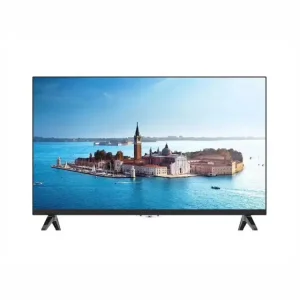
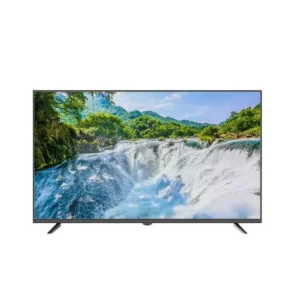
65" 4K OLED Self-Emissive Android Smart TV Flagship
View Specifications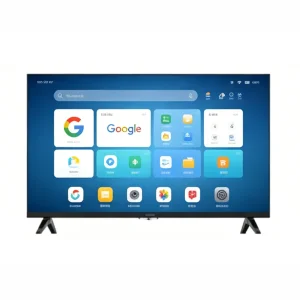

75" 4K QLED
Voice Engine
Commercial
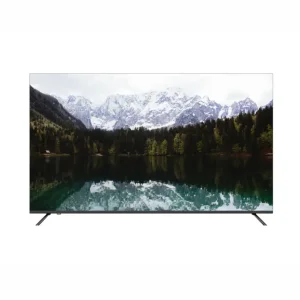
OEM 75" 4K QLED Android Smart Voice Large-Display
View Specifications
Global Industry Architecture
The Global OEM Smart Television Landscape: Technology Drivers & Industrial Dynamics
The global connected television industry is undergoing a structural paradigm shift driven by high-yield Gen 8.5/Gen 10.5 substrate fabrication, unified System-on-Chip (SoC) architectures, and algorithmic edge-AI upscaling. Modern B2B sourcing requires direct alignment with manufacturing plants capable of navigating open-cell price elasticity, international customs frameworks, and cross-platform operating software integration.
Industrial Manufacturing Reality Check: Direct Source Factory vs. Trading Intermediary
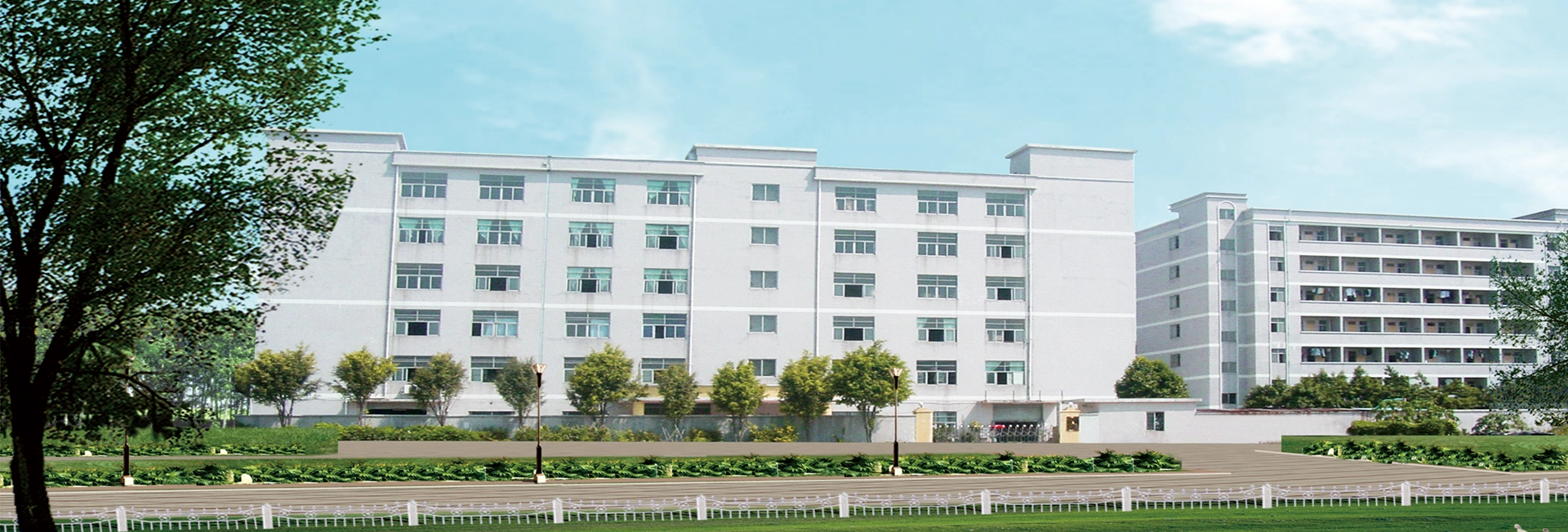
Global display buyers frequently face bill-of-materials (BOM) variance and inconsistent panel lot bins when purchasing through secondary brokerages. Established in 1987 in Huadu District, Guangzhou, Guangzhou Wanteng Electronics Co., Ltd. (operating as WEIER) anchors an end-to-end industrial ecosystem encompassing 60,000 m² of purpose-built production infrastructure, 6 fully automated SMT and robotic assembly lines, producing over 50,000 finished televisions and 200,000 CKD/SKD kits monthly.
Open-Cell Supply Chain Optimization
The panel accounts for 60% to 70% of total television manufacturing cost. Our direct procurement matrix leverages primary Tier-1 glass foundries including BOE, CSOT, HKC, and Innolux. Through A-grade open-cell allocation, we mitigate dead-pixel ratios (<0.0001%) and enforce uniform luminance grading (min. 250 nits up to 450+ nits) across high-volume production batches.
Regulatory Compliance & Certifications
All hardware builds are engineered to exceed regional import mandates. Mainboards and power supply units (PSUs) comply with CE-LVD/EMC for the European Economic Area, FCC Title 47 Part 15 Subpart B for North America, and strict RoHS/REACH chemical safety thresholds. In-house electromagnetic compatibility (EMC) testing guarantees minimal interference with residential and enterprise wireless networks.
System-on-Chip (SoC) Scalability
We deploy modern processing architectures ranging from power-efficient quad-core Cortex-A35 chips for cost-optimized 32" HD units up to advanced Cortex-A55 / Mali-G52 MP2 configurations for 4K 60Hz/120Hz processing. Integrated dedicated Neural Processing Units (NPUs) accelerate AI Picture Quality (AIPQ) pipelines, real-time super-resolution, and multi-channel audio decoding.
1987
Foundation Year
60,000 m²
Industrial Campus
50,000+
Monthly CBU Capacity
200,000
Monthly CKD/SKD Units
6 Lines
Automated Assembly
Technical Specification Matrix
Comprehensive Display Engineering Architecture
A deep-dive technical comparison of backlighting geometries, quantum dot matrices, and self-emissive organic arrays engineered across our 32-inch through 100-inch product matrices.
| Panel Technology | Backlight Architecture | Color Gamut (DCI-P3) | Contrast Ratio | Peak Luminance | Primary Industrial Application |
|---|---|---|---|---|---|
| Direct-Lit LED (D-LED) | Array matrix optical lens (OD20-OD35) | 72% NTSC (~78% DCI-P3) | 3,000:1 – 5,000:1 | 220 – 300 cd/m² | Supermarket volume models, standard hospitality, bedroom installations |
| Frameless QLED | Quantum Dot Enhancement Film (QDEF) | 92% – 96% DCI-P3 | 5,000:1 (Static VA) | 350 – 450 cd/m² | Living room flagships, retail showroom tier, commercial digital signage |
| Self-Emissive OLED | Sub-pixel organic electroluminescence | 98.5% DCI-P3 / BT.2020 | ∞ : 1 (True Black) | 600 – 800 cd/m² (APL 10%) | Premium tier retail, executive boardrooms, high-end private label |
| Commercial Explosion-Proof | Reinforced D-LED + 4mm Tempered Glass | 75% NTSC | 4,000:1 | 350 – 500 cd/m² | KTV lounges, hotels, public transport terminals, school classrooms |
Optical Stack & Light Guide Design
Our Direct-lit (D-LED) backlights utilize customized optical PMMA convex lenses engineered with uniform 160-degree diffusion angles. This eliminates hotspot mura defects and panel yellowing over prolonged duty cycles, ensuring a Mean Time Between Failures (MTBF) exceeding 30,000 operational hours.
Chassis Mechanics & Thermal Dissipation
We deploy high-rigidity electro-galvanized cold-rolled steel (SECC) back covers paired with aluminum alloy structural mid-frames. This architectural combination facilitates passive thermal venting, reducing internal cavity temperatures around critical T-CON and driver IC chips by up to 12°C compared to all-plastic assemblies.
Acoustic Engineering Integration
Standard OEM speaker solutions are frequently compromised by thin cabinet profiles. Our acoustic engineers develop dual downward-firing or forward-baffled 8W/10W/12W speaker chambers with acoustic shock dampening, integrated silk dome tweeters, and custom DSP equalization tuned for Dolby Audio and DTS Virtual:X fidelity.
Firmware & OS Ecosystems
Multi-Platform Smart OS Solutions & Global RF Tuners
Software agility defines product market fit. We provide Tier-1 certified operating ecosystems customized to your brand’s licensing prerequisites, application store access, and regional broadcast frequency constraints.
Certified Android & Google TV Ecosystem
Pre-integrated with Google Mobile Services (GMS), Play Store, Netflix 4K DRM (Widevine L1), Prime Video, and YouTube. Features Google Assistant voice remote commands, integrated Chromecast screen mirroring, and personalized algorithmic recommendation UI layers ideal for premium consumer retail programs.
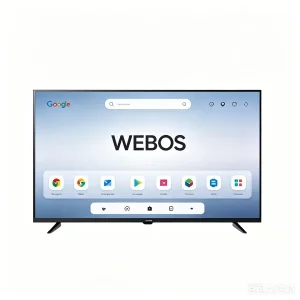
Licensed LG webOS Hub Platform
Official webOS Hub distribution licensing brings the intuitive Magic Remote cursor experience, LG Content Store, Apple AirPlay 2, and HomeKit support. webOS provides exceptional customer brand trust, seamless multi-tasking UI cards, and carrier-grade system stability for premium global distribution.
AOSP Custom Commercial Firmwares
For custom institutional tenders, hospitality networks, and enterprise kiosks, we compile dedicated Android Open Source Project (AOSP) firmware builds. Features include boot-on-source defaults, hardware-locked USB playback loops, hotel PMS billing interfaces, custom splash animations, and complete bypass of external application stores.
Multi-Standard Front-End RF Demodulation Architecture
Mainboards engineered by WEIER accommodate discrete modular silicon tuners matching your destination port customs specifications: DVB-T2/C/S2 for Europe, Africa, and Central Asia; ATSC 3.0 / NextGen TV & ATSC 1.0 for North America; ISDB-T Full-Seg for South America (Brazil, Argentina) and the Philippines; and DTMB for China and regional territories.
Quality Assurance Protocol
Factory Floor Engineering: Six-Stage Quality Firewall
Reliability is built into the assembly protocol. Discover how our Huadu District manufacturing base executes stringent component screening, SMT fabrication, cleanroom optical bonding, and stress testing before container departure.
01
Incoming Open-Cell Triage
Panels are unpacked in a Class 10,000 cleanroom environment. Automated optical inspection (AOI) identifies microscopic chip-on-film (COF) bonding misalignments, point-defects, and sub-pixel dead zones prior to mechanical casing assembly.
02
SMT Mainboard Manufacturing
High-speed surface-mount technology (SMT) machines mount micro-components, power management ICs, flash memory, and SoC packages with high placement repeatability. Every PCB undergoes 100% in-circuit testing (ICT) and X-ray solder integrity audits.
03
Backlight & Optical Sheet Lamination
Automated robotic pick-and-place lines position D-LED arrays onto back chassis plates. Reflector sheets, light guide plates (LGP), dual brightness enhancement films (DBEF), and optical diffusers are laminated under static-free conditions to eliminate particle contamination.
04
High-Temperature Aging Chambers
Every assembled television unit undergoes a 100% active burn-in stress test cycle lasting 4 to 8 continuous hours inside a climate-controlled aging chamber sustained at 40°C to 45°C. This forces early failure of marginal capacitors, diodes, or driver ICs.
05
White Balance & Colorimeter Calibration
Robotic optical colorimeters evaluate center and peripheral color temperature (x, y coordinates), gamma tracking (2.2 standard), and maximum nit output, flashing optimized color lookup tables (LUT) directly into the mainboard EEPROM.
06
Packaging & ISTA 3A Drop Certification
Finished units are sealed in anti-static moisture-barrier bags, encased in high-density expanded polystyrene (EPS) or EPE foam end-caps, and packaged in double-wall reinforced corrugated export cartons tested for drop, clamp, and transit vibration resilience.
Supply Chain Engineering
Global Supply Formats: CBU vs. SKD vs. CKD Tariff Optimization
Importing completely built consumer electronics often triggers punitive customs duties in key developing and industrialized territories. WEIER provides flexible manufacturing formats to match your local industrialization and tariff mitigation goals.
CBU: Completely Built Units
Turnkey Solution: 100% assembled, tested, packaged, and labeled in our factory. Ideal for distributors in regions with equitable consumer electronic import duties (e.g., North America, EU, GCC) seeking zero local assembly overhead and fast distribution velocity straight from maritime containers to retail shelves.
SKD: Semi-Knocked-Down Kits
Balanced Overhead: The front bezel and LCD panel module are pre-assembled with backlights. The mainboard, power unit, speakers, and mechanical plastics are packaged separately. This format substantially cuts import duties (often by 15-25%) while requiring only basic assembly lines and low-cost screwdriving fixtures at the destination.
CKD: Completely-Knocked-Down Supply
Maximum Tariff Mitigation: Bare open-cell glass, backlight strips, optical diffusers, unpopulated PCBs, bare plastic casings, and screws ship in custom dense-pack cushioning. Assemblers leverage national manufacturing incentives and local-content tax relief in Latin America, Africa, and Southeast Asia. We supply cleanroom SOP manuals and dispatch technical teams for local line set-up.
Target Market Engineering
Engineered Deployment Scenarios: Commercial & Residential Form Factors
A smart TV is not a one-size-fits-all product. Discover how our OEM design teams customize panel brightness, ingress protection, software interfaces, and physical housings to specific target vertical environments.
Tier-1 Supermarket & Retail Programs
For high-turnover consumer supermarket chains, value-engineered 32" HD and 43" FHD/4K frameless TVs represent the bread-and-butter margin driver. We optimize bill-of-materials costs using ultra-reliable Direct-LED optical profiles, durable packaging capable of multi-pallet double-stacking, and customized retailer-branded private labels, boot logos, and multi-language consumer user guides.
Hospitality & Healthcare Projects
Hotels require dedicated firmware control: power-on channel locks, maximum volume thresholds to prevent adjacent room disturbance, centralized clone-programming via USB/IP networks, and customized welcome messages. Our hospitality displays seamlessly interface with Pro:Centric and IPTV server frameworks across luxury resorts and budget business hotel networks.
High-Traffic Commercial & KTV Venues
Public entertainment facilities and transit waiting areas demand structural panel protection. Our 43" to 100" commercial models feature 4mm high-transmission anti-shatter explosion-proof tempered glass optically bonded directly to the structural chassis, deflecting accidental impacts, liquid ingress, and physical scratches while preserving display clarity.
Future Outlook
Engineering Roadmap: Display & Platform Evolution (2025–2030)
Anticipating next-generation visual technologies allows our OEM partners to design commercial ranges that maintain market competitiveness through multi-year lifecycle cycles.
Mini-LED with Local Dimming Active Arrays
Transitioning from traditional D-LED backlights toward high-density Mini-LED backlighting matrices featuring 500 to 2,000+ localized dimming zones. This provides extreme contrast approaching OLED levels (>100,000:1 dynamic) with high sustained peak brightness of 1,200 nits for true HDR10+ content without burn-in risks.
Integrated Edge-AI Video Processing Engines
Mainboards incorporating next-gen dedicated 6.0 TOPS NPUs will perform real-time frame-by-frame object classification, dynamic tone curve re-mapping, facial tone protection, and algorithmic audio vocal separation. Displays will autonomously adapt brightness and color balance to ambient room illuminance via onboard lux sensors.
Matter-Over-Thread Smart Home Hub Convergence
Smart TVs will evolve into unified edge control hubs for residential and commercial IoT environments. Integrated Matter protocol and Thread border routers will allow native voice control and telemetry dashboards for HVAC, lighting, and access control directly on the television display with near-zero latency.
Procurement Due Diligence
Frequently Asked Technical & Operational Questions (FAQ)
Straightforward operational insights for global sourcing directors, hardware procurement managers, and commercial project contractors.
Is WEIER an integrated manufacturer or an export trading intermediary?
Guangzhou Wanteng Electronics (WEIER) is a verified source factory established in 1987 in Huadu District, Guangzhou. We operate over 60,000 square meters of production workshops and six automated assembly lines, maintaining complete internal control over engineering, SMT PCB assembly, panel testing, and final container staging.
What is the standard Minimum Order Quantity (MOQ) for custom private branding?
For custom silk-screened front logos, personalized packaging cartons, and customized remote controls, our baseline entry MOQ is generally one 20GP container (approx. 400-800 units depending on screen size). Trial orders with standard tooling can be negotiated for market verification.
Can your factory assist with official Google TV or webOS licensing approvals?
Yes. We guide OEM brand partners through Google CTS/GMS licensing protocols and LG webOS Hub licensing workflows, ensuring official device identification, Netflix 4K and Amazon Prime Video DRM activation, and access to the official application repositories.
What are your packaging capabilities for SKD and CKD knockdown shipments?
We supply up to 200,000 CKD kits monthly. Glass panels are packaged in high-density anti-static foam crates holding 30-50 units per master box, while internal mainboards, backlights, and plastics are sorted into indexed assembly kits with detailed torque and installation SOP sheets.
What panel grades and dead-pixel policies are guaranteed during manufacturing?
We exclusively mount Grade-A or Grade-A+ open-cell panels sourced from BOE, CSOT, and HKC. Our defect standard follows ISO 13406-2 Class II specifications, ensuring zero bright-line defects and full visual purity across mass-production lots.
What is the standard production lead time from deposit to bill of lading?
Standard initial mass-production lead time for private-label projects is 30 to 35 calendar days following artwork confirmation and deposit clearance. Repeat orders with pre-allocated panel allotments can be turned around within 20 to 25 calendar days.
Industrial Catalog Selection
Extended Range: Large Format & Commercial Smart TVs
Explore specialized large-screen displays, explosion-proof units, and Google/webOS turnkey solutions ready for worldwide private-label customization.
75" 4K QLED
Voice Control
Home/Project
OEM 75" 4K QLED Android Smart Voice Large Display
View Specifications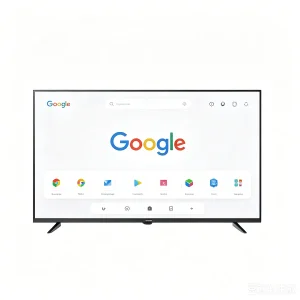
43" 4K QLED
Google TV
Export Tuner
High-Quality 43" 4K QLED Google Smart TV Unit
View Specifications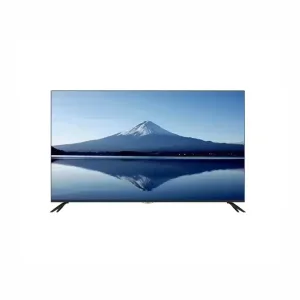
50" 4K UHD
Q-LED HDR
Frameless
Wholesale Frameless 50" 4K Q-LED Android Smart TV
View Specifications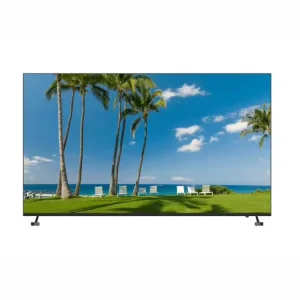
100" Giant
Tempered Glass
Explosion-Proof