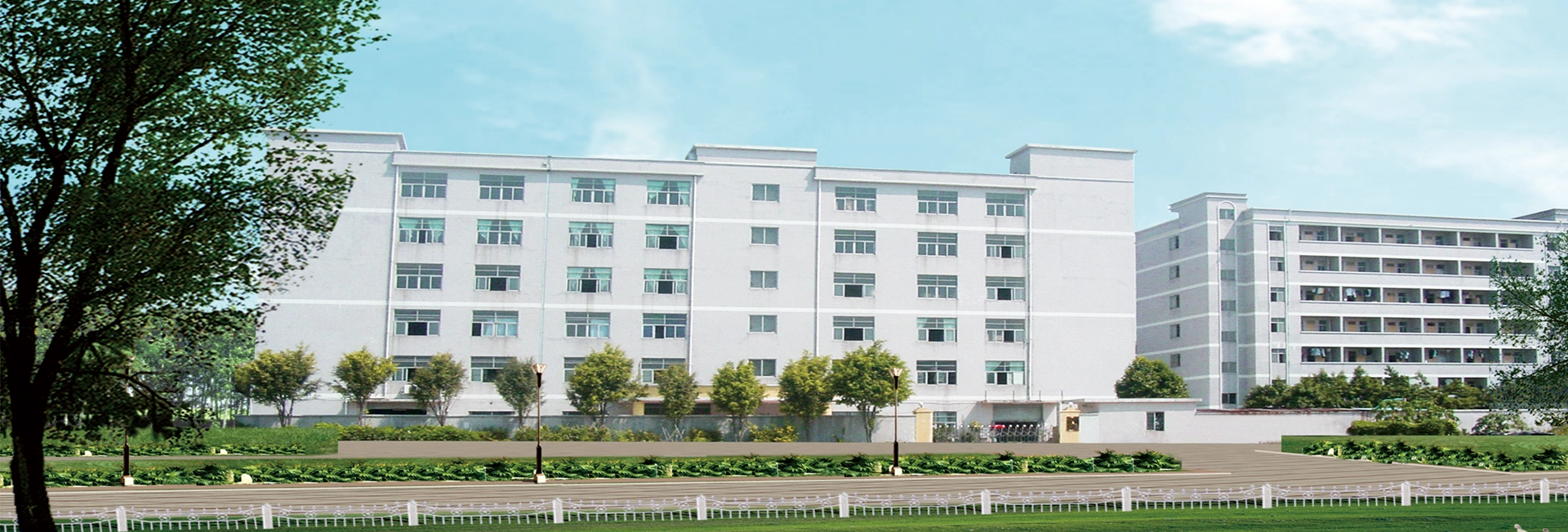
High-Performance OEM/ODM Display Solutions (Catalog 01)
Engineered for commercial, hospitality, and residential markets. Equipped with wide viewing angle IPS/QLED architectures, borderless enclosures, and global tuner configurations.

OEM 75-inch 4K QLED Android Smart Voice TV, Ultra HD Large Screen
Configure & Inquire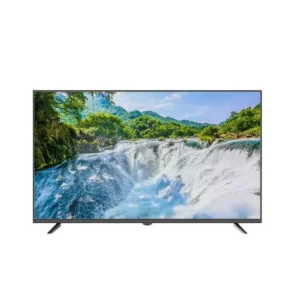
High-Quality 43-inch Borderless FHD Android Smart TV Wholesale Custom
Configure & Inquire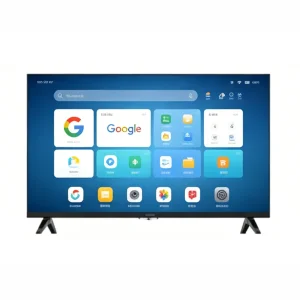
OEM 32-inch Full HD webOS Smart TV, LG System Commercial
Configure & Inquire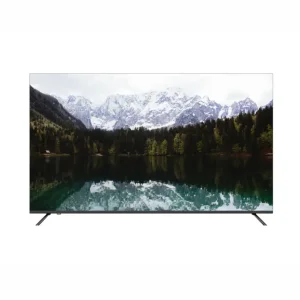
High-Quality 65-inch 4K OLED Self-Emissive Android Smart TV
Configure & Inquire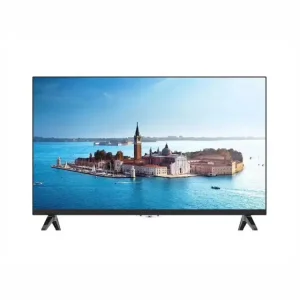
OEM Borderless 32-inch High-Definition Android Smart TV Wholesale
Configure & Inquire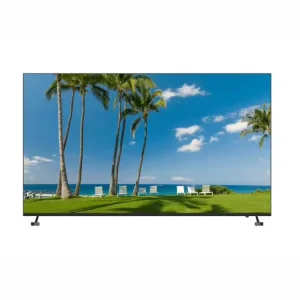
High-Quality 100-inch 4K Explosion-Proof Commercial Smart TV
Configure & Inquire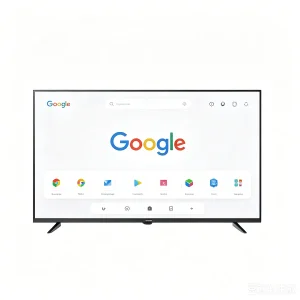
High-Quality 43-inch 4K QLED Google Smart TV Export System
Configure & Inquire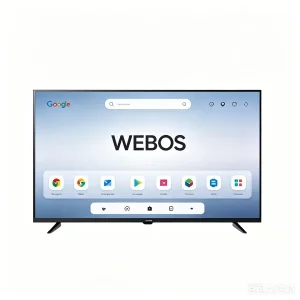
OEM 43-inch 4K UHD webOS Smart TV with AI Source Platform
Configure & InquireMolecular Architecture of IPS: Why Global OEM Brands Specify In-Plane Switching
In competitive electronics manufacturing, selecting the optimal liquid crystal matrix is the foundational decision determining product longevity, return rates (RMA), and end-user visual satisfaction. In-Plane Switching (IPS) technology distinguishes itself structurally from conventional Vertical Alignment (VA) and Twisted Nematic (TN) architectures. By aligning liquid crystal molecules horizontally parallel to the glass substrate rather than perpendicularly, IPS panels ensure that the molecular orientation remains uniform regardless of the viewing vector.
For commercial brand owners and hotel system integrators, IPS delivers two definitive advantages: zero color shifting across 178° viewing angles and high structural stability ("Hard Screen" resilience). When external pressure is applied to an IPS surface, the horizontal alignment recovers instantaneously without generating water-ripple moiré patterns or static chromatic artifacts. This attribute makes IPS the mandatory standard for high-traffic environments, touch-screen kiosks, explosion-proof tempered glass commercial installations, and hospitality networks.
- Zero-Shift Color Consistency: ΔE < 1.5 delta color fidelity across wide-angle perspective shifts.
- Dynamic Transmittance Efficiency: Optimized aperture ratios minimizing LED backlight thermal dissipation.
- Tier-1 Open-Cell Selection: Direct partnerships with BOE, CSOT, and HKC yielding Grade A+ 0-dot glass.
Industrial Display Matrix Benchmark
Comparative technical analysis conducted under Guangzhou Wanteng Electronics Co., Ltd. QA Laboratories:
| Optical Metric | IPS (In-Plane Switching) | VA (Vertical Alignment) |
|---|---|---|
| Viewing Angle Off-Axis | 178°/178° (Zero Distortion) | 160°/150° (Noticeable Gamma Shift) |
| Touch & Pressure Recovery | Instantaneous (Hard Screen) | Slow (Moiré Ripple Trail) |
| Color Gamut Retention | > 96% at 45° Angle | < 68% at 45° Angle |
| Response Stability | Uniform Gray-to-Gray (GTG) | Non-Linear (Dark Tail Trailing) |
| Commercial Lifetime (MTBF) | 60,000 Hours Continuous | 40,000 Hours Continuous |
The Greater Bay Area Industrial Advantage: Guangzhou Sourcing Power
Direct factory sourcing bypasses trading margins while giving multinational buyers real-time control over Bill of Materials (BOM), optical yields, and shipment logistics.
Direct Open-Cell Allocations
Direct volume allocation agreements with Gen 8.5 and Gen 10.5 fabs (BOE, CSOT, HKC) eliminate tier-2 glass markups and guarantee batch-to-batch color temperature consistency.
60,000 m² Integrated Campus
Equipped with 6 automated high-speed SMT mainboard placement lines, Class 10,000 cleanroom optical bonding workshops, and dedicated automated TV aging and drop-testing tracks.
Strategic Logistics Hub
Situated in Huadu District, Guangzhou, minutes away from Baiyun International Airport and South China's deep-water seaports (Nansha, Shenzhen, Hong Kong) for expedited container consolidation.
ISO 9001 & Full Process Traceability
Every individual television carries an encoded MES tracking barcode, logging the exact panel batch, optical backlight lot, operator ID, and 48-hour burn-in inspection logs.
SKD / CKD Assembly Strategies: Slashing Customs Duties for Global Importers
In cross-border television distribution, import tariffs on Complete Built Units (CBU) frequently exceed 25% to 40% across key growth territories including Latin America (Brazil, Argentina, Colombia), Africa (Nigeria, Kenya, Egypt), and Southeast Asia (India, Indonesia, Vietnam). To empower national brands and authorized contract assemblers, WEIER provides high-precision Semi-Knocked Down (SKD) and Completely Knocked Down (CKD) manufacturing kits.
Our monthly packaging throughput exceeds 200,000 sets of CKD components. We supply custom anti-static Open-Cell crating, specialized cushioned honeycomb containers, pre-flashed mainboards, and paired harness kits designed for rapid local line integration. Furthermore, our senior manufacturing engineers provide comprehensive factory setup blueprints, line-balancing consultation, and cleanroom optical bonding training to ensure local factories hit 99.2%+ first-pass yields.
- 300% Container Space Efficiency: A 40ft HQ container holds ~800 CBU 55" units, but up to 2,400 sets in CKD configuration.
- Pre-Calibrated T-Con & Firmware: Timing Controllers and Motherboards pre-flashed with regional tuner frequencies and OSD.
- Turnkey Assembly Line Blueprints: SOP documentation, cleanroom air shower schematics, and testing jigs provided.
Global Sourcing Mode Comparison
| Parameter | CBU (Fully Built) | SKD (Semi-Knocked) | CKD (Full Kit) |
|---|---|---|---|
| Target Buyer | Importers, Retailers | Regional Plants | Assembly Factories |
| Tariff Exposure | Highest (Finished Unit) | Moderate (-10% to -15%) | Lowest (Raw Parts Tariff) |
| Local Facility Needed | Warehouse Only | Basic Screwing Line | Class 10,000 Cleanroom |
| Factory Engineering Support | Standard QA Checks | Assembly Guide | Full Turnkey Setup Training |
Mandatory Market Certifications & Regional Compliance Protocols
International customs clearance demands rigorous conformance to electromagnetic compatibility, electrical safety, energy efficiency, and hazardous substance mandates.
European Union (CE, RoHS, ErP)
Full CE certification covering EMC Directive (2014/30/EU) and Low Voltage Directive (2014/35/EU). RoHS 2.0 and REACH chemical safety guaranteed. Conforms to ErP Lot 5 eco-design energy efficiency rating systems for standby power < 0.5W.
North America (FCC Part 15B, UL/ETL)
Unintentional radiator EMC emissions fully tested for FCC compliance. Structural engineering incorporates flame-retardant UL 94 V-0 injection-molded rear enclosures and high-dielectric withstand transformers for safe commercial operation.
LATAM, Middle East & Africa Standards
Native hardware tuner support for ISDB-T (Brazil/Argentina), DVB-T2/S2 (Middle East & Africa), and ATSC 3.0. Complete preparation for NOM (Mexico), SASO/SABER (Saudi Arabia), and SONCAP (Nigeria) port documentation.
Precision-Tuned Displays for Mission-Critical Environments
Different installation environments require distinct optical luminance, surface treatments, operating systems, and anti-tamper safeguards.
Hospitality & Hotel Chains
Integrated Pro:Centric and commercial hotel mode. Locked OSD menu, guest data auto-clearing upon checkout, customized hotel logo splash screen, and central IP streaming integration.
Retail Kiosks & Supermarkets
7H tempered glass explosion-proof front panels. Protects the delicate Open-Cell glass against physical collisions in shopping malls, public lobbies, and high-traffic transportation terminals.
Conference & Education
Equipped with low-latency Miracast, AirPlay, and Google Cast screen sharing. IPS horizontal clarity ensures clear visibility of small spreadsheet fonts and blueprints from any boardroom angle.
Premium Home Entertainment
Quantum Dot (QLED) enhanced IPS panels featuring Dolby Vision, HDR10+, and licensed webOS / Google TV operating systems with integrated Far-Field AI Voice remote microphones.
Next-Generation Display Trends Driving Enterprise OEM Sourcing
Strategic product line managers must design their multi-year TV roadmaps around four pivotal semiconductor and optical shifts.
Mini-LED Backlight Hybridization
Combining wide-angle IPS glass with dense Mini-LED matrix backlights (500 to 2,000+ local dimming zones) achieving peak brightness > 1,200 nits and OLED-level black levels without burn-in risks.
AI-PQ Neural Processing Engines
Real-time neural picture quality (AI-PQ) upscaling integrated into MediaTek and Realtek flagship TV SoCs. Dynamically reconstructs standard definition and FHD cable signals into pristine 4K video.
144Hz VRR & MEMC Acceleration
Transitioning beyond legacy 60Hz panels to native 120Hz/144Hz Variable Refresh Rate (VRR) with AMD FreeSync certification and sub-5ms input lag for gaming-centric brand positioning.
Eco-Design & Post-Consumer Plastics
Zero-screw bezel structural snap-fit architectures and high-percentage PCR (Post-Consumer Recycled) polymers to comply with upcoming stricter EU Right-to-Repair legislation.
End-to-End OEM/ODM Manufacturing Engineering Process
A transparent, ISO 9001-certified six-phase path from initial performance brief to container dispatch.
Technical Scoping & BOM Formulation
Definition of screen diagonal (32" to 100"), target luminance (250 to 500 nits), OS platform (Google TV, webOS, Android), tuner band, and port array.
Tooling & Industrial ID Customization
Customization of front-bezel mold, aluminum alloy base stand, silk-screened brand logos, custom remote control buttons, and master carton packaging artwork.
Firmware Engineering & Launcher Customization
Compiling custom boot animations, brand splash screens, localized language strings, default hotel mode parameters, and carrier app pre-installations.
Golden Sample Approval & Lab Audits
Fabrication of physical golden samples for mechanical fit, thermal dissipation profiling, optical colorimetric testing, and drop-testing clearance.
High-Speed Mass SMT & Automated Assembly
Execution on 6 automated lines in Huadu, Guangzhou. Every unit undergoes automated optical inspection (AOI) and 100% 4-hour live signal aging.
AQL 0.65/1.0 QC & Container Loading
Final random inspection by certified internal QA or buyer-delegated 3rd party inspectors (SGS, TÜV, Bureau Veritas) followed by precision ocean container palletizing.
High-Efficiency OEM/ODM Display Deployments (Catalog 02)
Explore our flagship series manufactured in Huadu, Guangzhou. Fully customizable across mainboards, power boards, and structural housings.
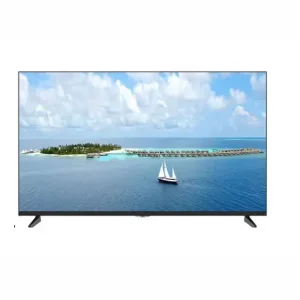
High-Quality 55-inch 4K QLED Android Smart TV Frameless Design
Configure & Inquire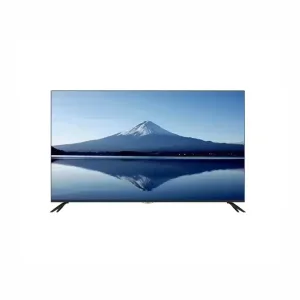
Wholesale Frameless 50-inch 4K QLED Android Smart TV Ultra HD
Configure & Inquire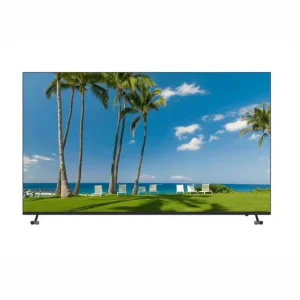
High-Quality 85-inch 4K QLED Android Smart Voice TV Flagship
Configure & Inquire
OEM 75-inch 4K QLED Ultra HD Export Specification Smart TV
Configure & Inquire
100-inch Commercial Tempered Glass Smart Display
Configure & Inquire
OEM 43-inch 4K UHD webOS Hub Licensed System Smart TV
Configure & Inquire
High-Quality 65-inch 4K Self-Emissive Flagship Model
Configure & Inquire
43-inch Borderless FHD High-Yield Engineering Display
Configure & InquireFrequently Asked Questions: Global Sourcing & Factory Verification
Clear, direct answers regarding minimum order quantities (MOQs), quality standards, OS licensing, and technical logistics.