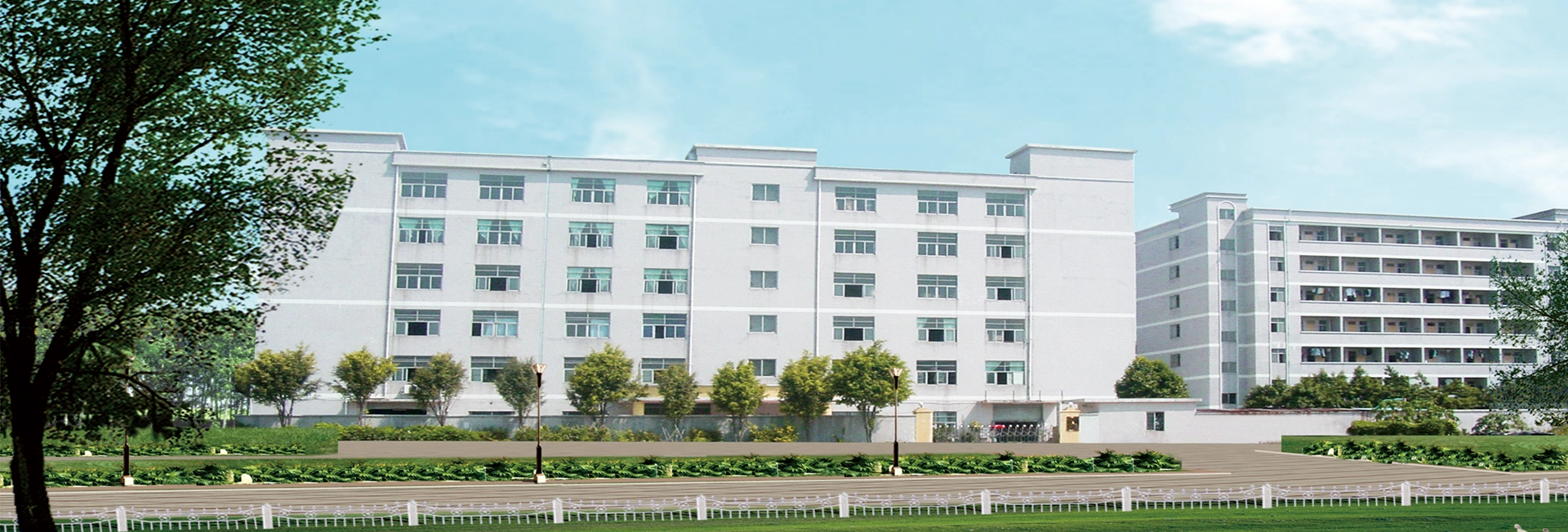
Factory-Engineered Commercial & Consumer Display Lineup
Direct OEM/ODM production outputs combining Grade-A panels, bespoke mainboard configurations, and global broadcast tuner compliance with full SKD/CKD container shipment capabilities.
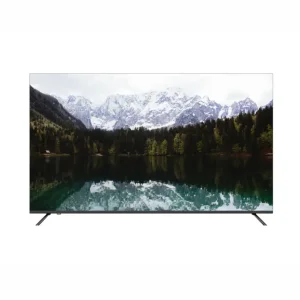
High-Quality 65-inch 4K OLED self-emissive Android smart TV with Dolby Vision HD TV Factory, Manufacturers
Procure Specification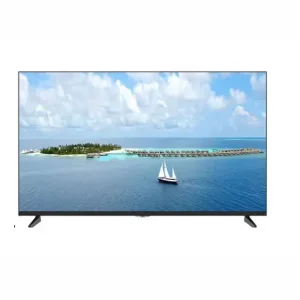
High-Quality 55-inch 4K QLED Android Smart TV with Frameless Design , Dolby Vision, Flagship Model for Home, Commercial, and Export Use Factories, Manufacturer
Procure Specification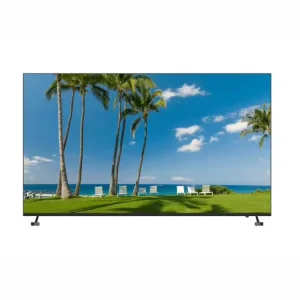
High-Quality 100-inch 4K Explosion-proof Smart TV with Tempered Glass Screen, Suitable for Hotels, KTVs, Commercial Use, and Export Supplier, Manufacturers
Procure Specification
OEM 75 -inch 4K QLED Android Smart Voice TV, Ultra HD Large Screen, Home/Commercial/Export TV Factories, Manufacturers
Procure Specification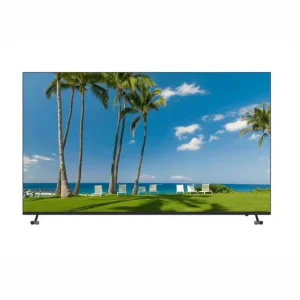
High-Quality 85 -inch 4K QLED Android Smart Voice TV, ultra-high definition large screen, flagship model for home and commercial use, export only. Suppliers, Manufacturer
Procure Specification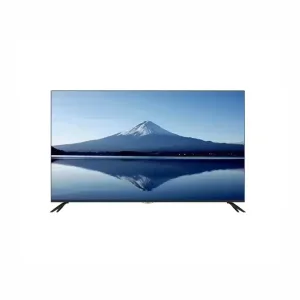
Wholesale Frameless 50-inch 4K Q LED Android Smart TV, Ultra HD HDR, for Home, Commercial, and Export Use Suppliers, Supplier
Procure Specification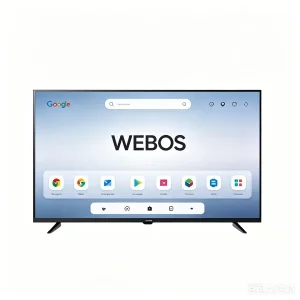
OEM 43-inch 4K UHD webOS Smart TV with AI, source manufacturer for home and hotel use, export Factory, Manufacturer
Procure Specification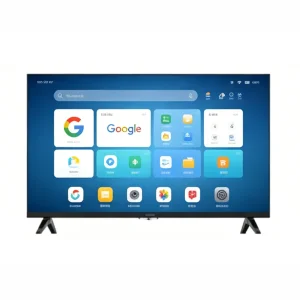
OEM 32-inch Full HD webOS Smart TV, LG System, for home, bedroom, hotel, commercial, and export use Suppliers, Supplier
Procure SpecificationCommercial Reality of Sourcing Affordable OLED Displays
For over a decade, Organic Light-Emitting Diode (OLED) technology remained an exclusive luxury segment controlled by tier-1 conglomerates. Today, upstream production breakthroughs, Gen 8.5 glass substrate scaling, and specialized Chinese OEM assembly lines have unlocked the commercial reality of high-volume, competitive-price OLED TV procurement.
Upstream Glass Yield Optimization
The historical barrier to cheap OLED displays was mother-glass yield loss. With multi-model glass (MMG) cutting algorithms on 8.5G and 8.6G production lines, primary panel fabs in Guangzhou and Shenzhen now cut 65-inch and 55-inch OLED substrates simultaneously with smaller panels, reducing unused edge waste from 28% down to under 7.5%, instantly lowering raw bill-of-materials (BOM) base rates.
Democratization of Self-Emissive Panels
Emerging regional consumer electronics brands cannot compete against trillion-dollar conglomerates using standardized retail channels. Sourcing white-label OLED chassis from certified Guangzhou source factories allows boutique electronics brands, commercial display integrators, and hotel conglomerates to offer true infinite contrast (0.0005 nits true black) at wholesale costs formerly reserved for edge-lit LCD modules.
Supply Chain Decoupling & Direct Sourcing
By eliminating multiple tiers of overseas brokers and import marketing agents, international sourcing teams acquire complete finished televisions (CBU) or semi-knocked-down (SKD) panel kits direct from Guangzhou Wanteng Electronics (WEIER), established in 1987. This direct factory pipeline shaves 22% to 35% off wholesale distribution overhead while preserving strict ISO9001 and CE/FCC/RoHS compliance.
Technological Architecture: WOLED vs. QD-OLED vs. High-End QLED
Engineering the cheapest OLED TV requires precise architectural balance. As an OEM manufacturer, WEIER provides objective empirical metrics guiding procurement teams to the correct display mechanism based on client luminance thresholds, thermal budget, and target retail pricing.
| Evaluation Parameter | Commercial WOLED (Cost-Optimized) | Premium QD-OLED (Flagship) | Flagship Direct-Lit 4K QLED |
|---|---|---|---|
| Subpixel Architecture | White OLED + RGB Color Filter (WRGB) | Blue OLED Core + Quantum Dot Ink Emissive | Blue LED Backlight + QD Nanocrystal Sheet + VA Panel |
| Native Black Level & Contrast | Infinite (0.0000 nits) | Infinite (0.0000 nits) | 0.015 - 0.05 nits (Local Dimming Dependent) |
| Peak Luminance (10% Window) | 750 - 950 nits (Micro-Lens Array Available) | 1,000 - 1,500 nits | 1,200 - 2,000 nits |
| Wholesale Cost Index (BOM) | Benchmark Baseline (1.0x) | 1.65x - 1.95x Elevated | 0.55x - 0.70x Economical |
| Thermal Load & Heatsink Necessity | Low-to-Medium (Integrated Graphene Film) | High (Requires Aluminum Die-Cast Backplate) | Passive Convection Sufficient |
| OEM Target Vertical | Hospitality Flagship, Mid-Tier Consumer, Boutique | High-End Cinema Studio, Pro Esports Lounge | High-Volume Supermarkets, High-Traffic KTVs |
Vertical Commercial & Industrial Applications
Cost-reduced OLED and large-format smart displays are transforming commercial enterprise procurement. We tailor hardware firmware, power regulators, and mechanical housings to match stringent duty cycles.
Luxury Hospitality Suites
Equipped with customized LG webOS or Android hospitality cores, our borderless 55-inch and 65-inch OLED displays interface seamlessly with centralized PMS (Property Management Systems), offering ultra-thin architectural profiles and bespoke hotel welcome screens without premium brand licensing costs.
Competitive Esports Lounges
OLED's near-instantaneous 0.1ms GtG (Gray-to-Gray) pixel response time eliminates motion blur completely. OEM buyers integrate our 120Hz/144Hz high-refresh OLED chassis into commercial gaming hotel chains and sim-racing installations with factory VRR (Variable Refresh Rate) tuning.
Boutique Digital Signage
High-end cosmetics, jewelry, and luxury apparel retail environments require absolute color fidelity (Delta E < 1.5 and DCI-P3 > 98%). Our self-emissive displays deliver zero backlight bleed, ensuring pitch-black cinematic product showcases under ambient boutique lighting.
Executive Boardrooms & Telehealth
For executive telepresence suites and diagnostic visualization displays, our factory integrates anti-glare etching, low blue-light emission certification, and hardware-calibrated DICOM gamma curves into custom-branded white-label chassis.
OLED Manufacturing Roadmap (2025–2030)
How next-generation material deposition, phosphorescent emitters, and printed electronics will compress wholesale OLED unit costs toward parity with conventional LED-backlit LCD panels.
Tandem WOLED & MLA
Deployment of dual-stack tandem organic layers combined with Micro Lens Array (MLA+) optical redirect sheets, lifting peak luminance to 1,000+ nits while cutting power consumption by 24% and extending blue subpixel lifespan.
Full Commercial PHOLED
Replacement of legacy fluorescent blue emitters with 100% internal quantum efficiency Phosphorescent Blue (PHOLED). This engineering breakthrough cuts panel operating temperature by 8°C and eliminates remaining burn-in risks.
Inkjet-Printed OLED (IJP)
Transition from vacuum thermal evaporation (VTE) to precision nozzle inkjet printing. Eliminating shadow masks reduces organic material wastage by 85%, creating the path for true sub-$200 factory-gate OLED panels.
Rollable & Integrated Micro-OLED
Flexible polyimide substrates allowing architectural rollable form factors, transparent smart surfaces for retail storefronts, and ultra-high-density silicon backplane micro-displays for immersive enterprise applications.
Supply Chain Architecture, Tariff Mitigation & SKD/CKD
Maximizing ROI on international television distribution depends on logistics, tariff circumvention, and local regulatory assembly. WEIER delivers end-to-end industrial flexibility tailored to regional duty brackets.
CBU (Completely Built Unit)
Turnkey manufacturing: TVs are fully assembled, 100% aged in climate-controlled burn-in rooms, packaged in multi-ply export foam cartons, and loaded into 40HQ containers. Optimized for markets with neutral television import tariffs and fast retail turnaround.
SKD (Semi-Knocked Down)
Front-bezel, open-cell display sandwich, pre-tested mainboards, power supply units (PSU), speakers, and accessory cables packaged in high-density compartmentalized crates. Reduces volumetric freight cost by 45% and bypasses finished-goods customs tariffs.
CKD (Completely Knocked Down)
Supplied to regional manufacturing hubs in Brazil, India, Egypt, Nigeria, and Mexico. We deliver component-level items down to raw SMD circuit components, bare PCBs, unformed sheet metal, and firmware flashes to fulfill up to 40% local manufacturing content rules.
Quality Verification & Burn-In Prevention Matrix
OLED panels require specialized engineering safeguards to guarantee reliability. Every production run at our Guangzhou plant undergoes automated optical inspection and active firmware mitigation.
Automated Pixel Shifting
Firmware-level micro-orbital pixel displacement shifts the picture frame invisibly by 2–4 pixels every 120 seconds, preventing persistent static graphic logos from generating uneven subpixel decay over prolonged use.
Real-Time ABL Dynamic Control
Factory-calibrated Automatic Brightness Limiter (ABL) curves protect the power delivery stages and panel longevity during high-APL (Average Picture Level) scenes, sustaining peak brightness without thermal runaway.
Automated Pixel Refresh Cycle
Integrated motherboard timers run a background high-frequency compensation sweep during standby every 4 cumulative hours, leveling charge variances across thin-film transistors (TFTs) automatically.
100% 72-Hour Aging Chambers
Before final export sealing, every finished OLED television is subjected to a 72-hour thermal continuous-cycling test under 45°C ambient conditions to isolate infantile component failures before container departure.
Procurement & Technical Specifications FAQ
Direct answers to the most critical technical, commercial, and operational questions asked by enterprise buyers and brand directors before placing volume orders.
High-Yield Alternative Display Inventory
Explore our full line of commercial Grade-A displays, from frameless 32-inch supermarket sets to 100-inch tempered glass explosion-proof hospitality displays.
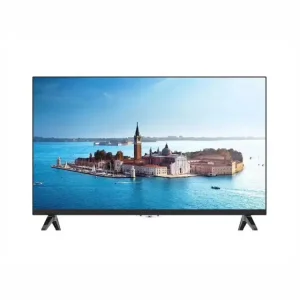
OEM Borderless 32 inch high-definition Android smart TV wholesale for supermarkets, high-definition network TVs Factory, Supplier
Procure Specification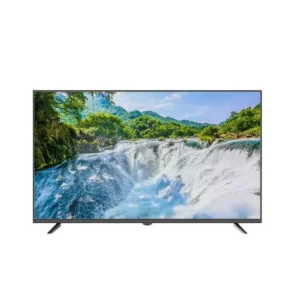
High-Quality 43-inch Borderless FHD Android Smart TV – Wholesale & Custom for Hotel, Supermarket & Engineering Projects Supplier, Manufacturer
Procure Specification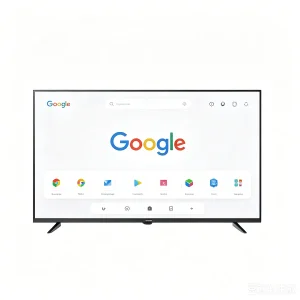
High-Quality 43-inch 4K QLED Google Smart TV, Google TV Export Network TV Factory Factory, Manufacturers
Procure Specification
High-Quality 65-inch 4K OLED self-emissive Android smart TV with Dolby Vision HD TV Factory, Manufacturers
Procure Specification
High-Quality 55-inch 4K QLED Android Smart TV with Frameless Design , Dolby Vision, Flagship Model for Home, Commercial, and Export Use Factories, Manufacturer
Procure Specification
High-Quality 100-inch 4K Explosion-proof Smart TV with Tempered Glass Screen, Suitable for Hotels, KTVs, Commercial Use, and Export Supplier, Manufacturers
Procure Specification
Wholesale Frameless 50-inch 4K Q LED Android Smart TV, Ultra HD HDR, for Home, Commercial, and Export Use Suppliers, Supplier
Procure Specification