Flagship White Label Hardware Configurations
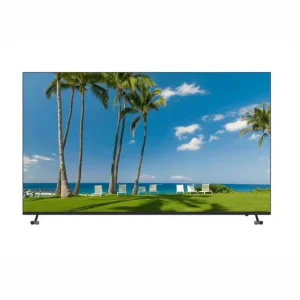
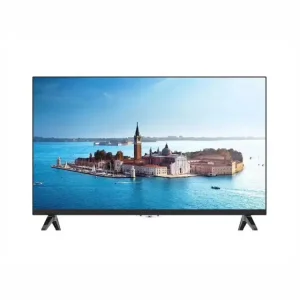
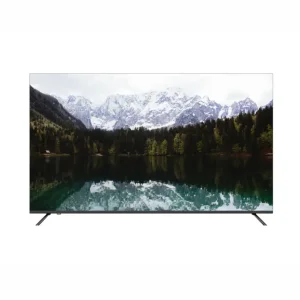
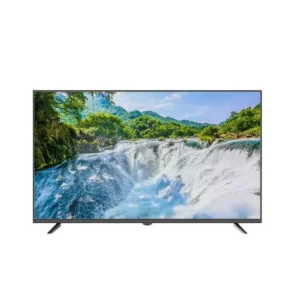
Pre-engineered, mass-production-ready TV models tailored for enterprise OEM/ODM rebranding, regional compliance, and turn-key export logistics.

Macro Industry Solutions & Global Manufacturing Landscape
The transition toward white-label consumer electronics is accelerating as direct-to-consumer retailers, regional telecom carriers, and commercial project integrators bypass legacy branding markups to build autonomous brand equity.
The ODM Paradigm Shift
Modern enterprise procurement has shifted away from off-the-shelf white labeling toward architectural ODM partnerships. Brands require specialized hardware configurations that balance localized power inputs, specialized thermal dissipation, dynamic backlight dimming, and regional RF tuner integration (DVB-T2/S2, ATSC, ISDB-T) without ballooning R&D lead times.
Supply Chain Resilience & Flexibility
Navigating global volatility requires adaptable production pipelines. By operating both Completely Built Unit (CBU) delivery and high-volume Semi-Knocked-Down (SKD) or Completely Knocked-Down (CKD) component pipelines, manufacturers empower regional partners to capture domestic tax incentives, protect operational margins, and mitigate fluctuating container freight rates.
Certified OS Ecosystem Dominance
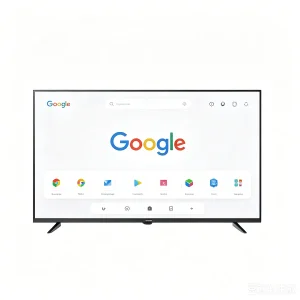
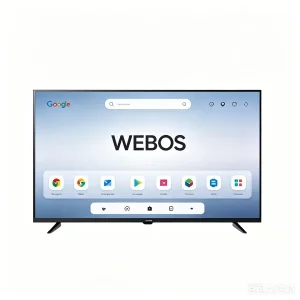
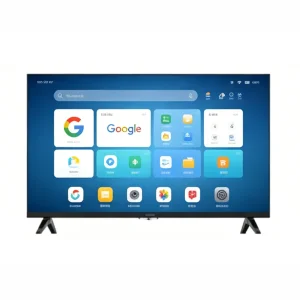
The era of uncertified generic Android interfaces is obsolete. Contemporary consumer retention hinges on verified OS compatibility. Strategic white-label television production now necessitates authorized tier-one platform integrations—chiefly Google TV with native Play Store accessibility and LG webOS Smart TV systems featuring integrated conversational AI intelligence.
Localization Architecture & Regulatory Compliance Assurance
A true enterprise manufacturing partner removes friction across borders through full-spectrum hardware compliance, intellectual property licensing, and regional software localization.
Tier-1 Global Certifications
White-label units meet stringent regional directives: CE (EMC/LVD), RoHS, and ErP Eco-Design for the European Union; FCC ID and UL standard compatibility for North American territories; alongside CB-scheme and Nom/Inmetro readiness for Latin American commercial channels.
Audio & Codec IP Safeguards
Exporting smart televisions demands strict adherence to intellectual property laws. Factory-level integration incorporates licensed Dolby Vision, Dolby Atmos decoding, and HDMI Licensing Administrator compliance, ensuring zero customs holds or unexpected legal liabilities at destination ports.
Firmware Tailoring & Regionalization
Custom ODM engagements include dedicated factory ROM baking: bespoke boot animations, regional app store packaging, pre-configured multilingual system strings, and localized RF signal profiles designed for immediate end-consumer plug-and-play responsiveness.
Localized Application Scenarios & Commercial Case Deployments
White-label hardware manufactured under standardized ODM regimens serves highly diversified commercial verticals beyond standard living room entertainment.
Smart Hospitality Systems
Custom webOS and Android-powered hotel televisions configured with PMS (Property Management System) protocols, customizable welcome screens, volume locking, and background data wipes to preserve guest privacy across boutique and international hotel chains.
High-Traffic Commercial & KTV
Reinforced structural configurations featuring 4mm high-impact tempered glass overlays, integrated moisture-proof PCB conformal coatings, and anti-glare coatings deployed inside sports bars, education spaces, entertainment venues, and control monitoring centers.
Regional Telecom Bundles
Cost-optimized 32-inch to 50-inch frameless high-definition smart displays engineered specifically for broadband service operators to package alongside regional IPTV subscriptions and fiber-to-the-home (FTTH) service contracts.
Technology Roadmap: The Next Era of White-Label Displays
Strategic hardware and firmware trajectories engineered to secure long-term competitiveness for our enterprise manufacturing partners.
Mini-LED & Local Dimming
Integration of multi-zone Mini-LED array architectures delivering high dynamic contrast (>1,000,000:1) and peak luminance surpassing 1,200 nits, competing directly with flagship OLED panels at a fractional BOM cost profile.
Edge-AI Picture Optimization
Incorporation of next-generation NPU-enabled system mainboards capable of real-time frame interpolation (MEMC), scene-based noise reduction, dynamic super-resolution upscaling, and low-latency audio beamforming.
Matter Protocol & IoT Control
Native integration of the universal Matter standard directly into custom smart TV motherboards, positioning the display screen as the central, interoperable control console for connected smart-home automation infrastructures.
Eco-Design & Low Energy Index
Pioneering ultra-low power standby mainboard micro-controllers, halogen-free recycled internal components, and optimized flat-pack carton geometries designed to maximize pallet density and slash ocean freight carbon footprints.
High-Yield Production Lines for Volume Procurement
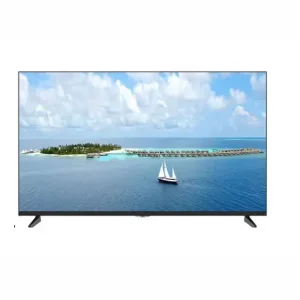
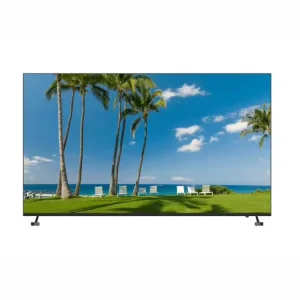
Explore commercial and consumer display references manufactured under ISO9001 and strict aging test regimes, prepared for global shipping manifests.
Technical & Sourcing Intelligence (FAQ)
Essential manufacturing guidelines, quality thresholds, and operational specifications for international procurement specialists.
What is the structural difference between ODM and White-Label TV manufacturing?
White labeling typically applies standard cosmetic branding (silkscreened logos, carton box art, pre-flashed boot images) to existing, standardized chassis designs. ODM (Original Design Manufacturing) encompasses full architectural customization: selecting proprietary tooling molds, engineering customized mainboard I/O ports, tuning backlight diffusion lenses, and specifying unique audio driver enclosures suited to your brand's market segment.
How does the factory manage quality control across high-volume production?
Quality management follows strict industrial standards: 100% incoming optical inspection for glass open cells (verifying zero dark spots or sub-pixel defects), automated high-voltage leakage safety testing, continuous 4-hour high-temperature dynamic burn-in/aging procedures for all assembled circuit boards, and rigorous drop/vibration testing of export cartons complying with ISTA-1A standards.
Why should importers source SKD/CKD kits instead of fully assembled CBU units?
Many emerging economies and developing manufacturing hubs (including nations across Latin America, Africa, and South Asia) impose substantially higher customs duties on completed electronics (CBUs) than on components. Procuring SKD (Semi-Knocked Down) or CKD (Completely Knocked Down) kits allows brands to dramatically decrease import tariff burdens, optimize container volume utilization by up to 300%, and meet domestic industrial value-add regulations.
Which smart TV operating system should regional brands select?
Platform selection depends on regional consumer expectations: Google TV is essential for markets requiring comprehensive Google Play ecosystem access, Chromecast, and Assistant integration. LG webOS offers an intuitive pointer-driven remote control experience suited for residential, premium hospitality, and commercial deployments. Open-source Android (AOSP) remains optimal for cost-sensitive markets or specialized closed-loop internal commercial signage applications.