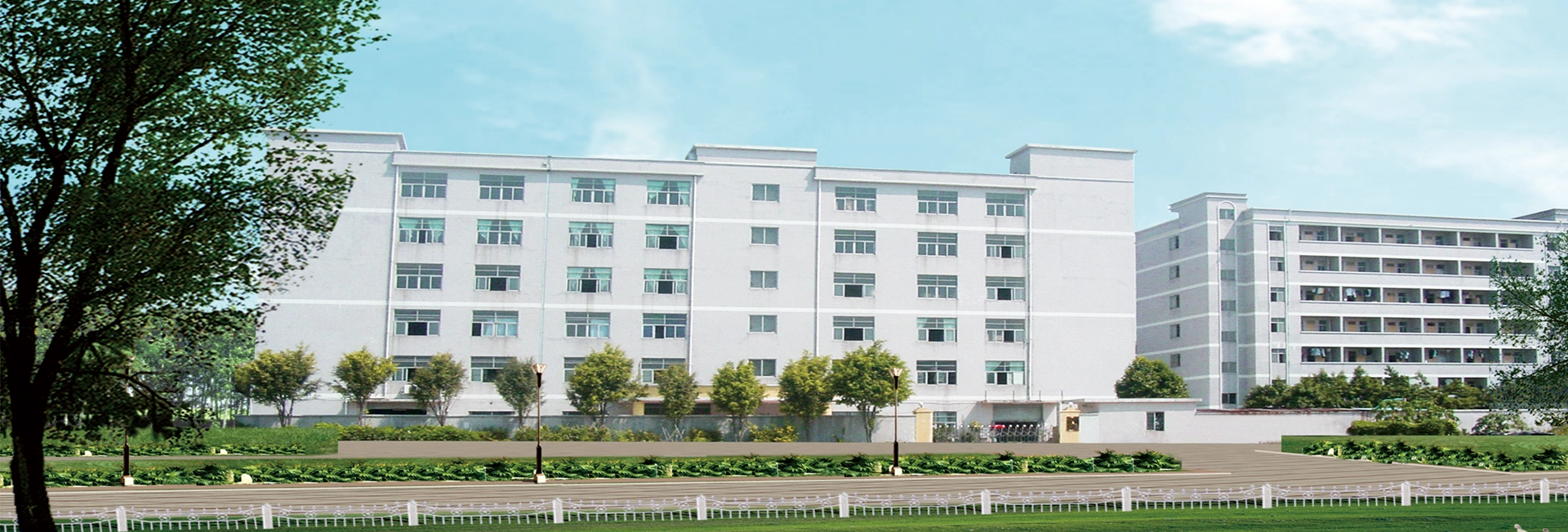
High-Efficiency Ultra-Thin Smart TV Engineering Series
Explore production-ready flat screen models engineered for international hospitality, enterprise commercial displays, retail chains, and consumer electronics distributors.
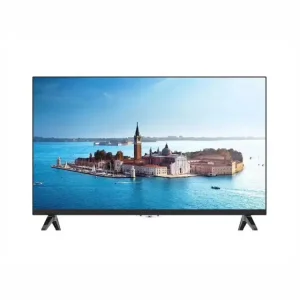
OEM Borderless 32-inch High-Definition Android Smart TV Wholesale for Supermarkets & Network TV Systems
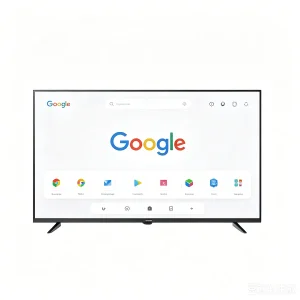
High-Quality 43-inch 4K QLED Google Smart TV, Google TV Export Network TV Factory Specification
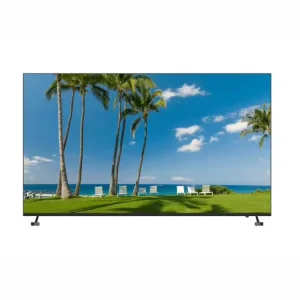
High-Quality 100-inch 4K Explosion-Proof Smart TV with Tempered Glass Screen for Commercial Hospitality & KTV
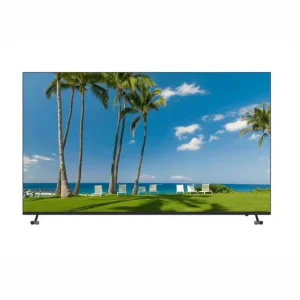
High-Quality 85-inch 4K QLED Android Smart Voice TV, Flagship Ultra-HD Architectural Model
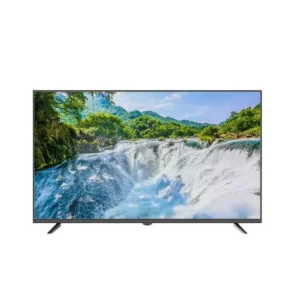
High-Quality 43-inch Borderless FHD Android Smart TV – Wholesale Engineering Projects Supply
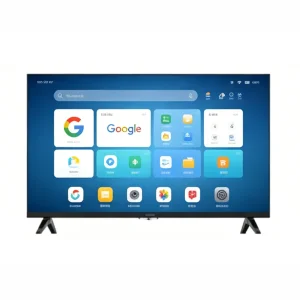
OEM 32-inch Full HD webOS Smart TV, LG System for Bedroom, Hotel, Commercial and Export Channels
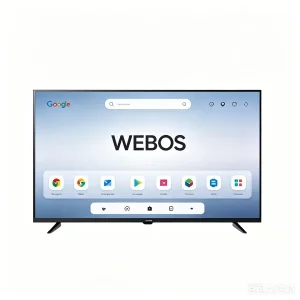
OEM 43-inch 4K UHD webOS Smart TV with AI Processing Core, Direct Factory Source Supply
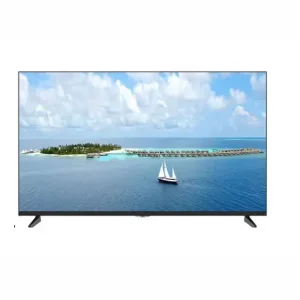
High-Quality 55-inch 4K QLED Android Smart TV with Frameless Design and Dolby Vision Certification
The Global Evolution of Ultra-Thin Flat Screen Television Manufacturing
A rigorous examination of optical light guide engineering, thermal dissipation boundaries, panel yield optimization, and the transition toward sub-5mm chassis profiles in enterprise and retail display hardware.
The Z-Axis Mechanical Engineering Shift
The global demand for thin flat screen TVs has transitioned from an aesthetic luxury into an architectural and operational baseline. Commercial enterprise clients, five-star hospitality operators, and luxury consumer brands now prioritize chassis profiles measuring below 5mm. To eliminate depth without compromising rigidity, modern ODM production utilizes extruded aviation-grade 6063 aluminum backplates coupled with advanced micro-edge light guide plates (LGP) or self-emissive organic substrate layers (OLED). This replaces heavy stamped galvanized sheet metal and bulky direct-backlight diffuser assemblies.
- Sub-5mm profile achieved via PMMA optical grade light-guide plates
- Zero-air-gap structural bonding preventing internal moisture condensation
- Aviation aluminum backplate acting as structural spine and heat sink
Thermal Dissipation in Confined Enclosures
As flat screens compress their internal Z-axis volume, thermal dissipation density escalates exponentially. Trapped thermal energy degrades LED luminous efficiency, shifts color coordinates, and accelerates electrolytic capacitor failure on motherboards. Our factory engineers resolve this via passive conduction routing: high-thermal-conductivity phase-change graphite sheets draw heat away from the power board (PSU) and SoC directly to the structural aluminum chassis, maintaining junction temperatures below 65°C under continuous 24/7 commercial duty cycles.
- Thermally conductive graphite foil interfaces with >1600 W/m·K rating
- Convection airflow channels routed through perimeter perimeter micro-slots
- SoC thermal throttling mitigation preserving sustained 60fps 4K decode
High-Density Component Integration
Achieving a truly borderless and razor-thin display requires radical redesign of peripheral electronics. Traditional TV manufacturing distributed power supply, T-Con, and mainboard processing across separate printed circuit assemblies. Our ODM process leverages integrated 3-in-1 high-density SMT mainboards or externalized architectural junction blocks. By employing Chip-on-Glass (COG) and Chip-on-Film (COF) bonding alongside perimeter driver IC positioning, the display's dead border is reduced to less than 1.2mm, unlocking uninterrupted multi-panel video walls.
- Chip-on-Film (COF) flexible micro-interconnect panel integration
- Customized slim-profile high-frequency transformers under 8.5mm
- Low-profile recessed IO bays designed for zero-gap flush wall mounts
China Factory Efficiency: Pearl River Delta Sourcing Superiority
Why Tier-1 international importers, retail conglomerates, and commercial AV integrators achieve radical time-to-market advantages by partnering directly with our Guangzhou manufacturing hub.
Hyper-Compressed Component Sourcing Radius
Guangzhou Wanteng (WEIER) Electronic Co., Ltd., based in Huadu District, operates inside the world's most concentrated optical and display display manufacturing cluster. Within a 50-kilometer industrial radius, our procurement infrastructure accesses Tier-1 Open-Cell glass fabricators (BOE, CSOT, LG Display, Innolux), precision aluminum extrusion plants, injection tooling houses, and high-speed multi-layer SMT line vendors. This hyper-localized ecosystem eliminates oceanic sub-tier lead times and compresses prototype iteration cycles from months down to 72 hours.
- Direct Open-Cell contracts guaranteeing Grade A+ zero-dead-pixel panels
- In-house CNC tooling and rapid die-cast chassis fabrication
- Same-day engineering change notice (ECN) implementation on production lines
SKD / CKD Supply Chain Duty Optimization
High import tariffs on fully assembled Consumer Electronics (CBU) often hinder international distributor margins across Latin America, Africa, Southeast Asia, and Eastern Europe. To circumvent prohibitive duties, WEIER provides industrialized Semi-Knocked Down (SKD) and Completely Knocked Down (CKD) modular kits. With a monthly capacity exceeding 200,000 CKD kits, we package panel modules, anti-static packaged PCBAs, custom pre-formed cabling harnesses, and calibrated power units into ultra-dense containerized crates, driving freight costs down by up to 62% per cubic meter.
- Anti-static vacuum packing engineered for high-humidity sea freight
- Full assembly jigs, testing fixtures, and SOP documentation included
- Assistance with regional factory assembly floor layout and quality gating
Automated Six-Line Precision Mass Assembly
Manufacturing ultra-thin flat screen TVs demands Class 10,000 cleanroom environments to prevent airborne particulate contamination between optical diffuser sheets and liquid crystal polarizers. Our 60,000 m² Guangzhou facility houses six automated production lines equipped with laser-guided screw fastening, robotic optical alignment sensors, and computerized high-voltage insulation testers. Every finished unit undergoes continuous 4-hour dynamic aging under 40°C ambient stress to eliminate infant component mortality before final export seaworthy boxing.
- Class 10,000 clean optical module integration bays
- Automated 100% white-balance and colorimeter gamma calibration
- Rigid drop, vibration, and ISTA-3A package integrity verification
Engineered for High-Stress Commercial Scenarios
Ultra-thin flat screen displays must satisfy demanding duty cycles, fluctuating ambient temperatures, and complex networked control protocols across specialized industry environments.
Luxury Hospitality & Resorts
Architectural interior designers require televisions that mount flush against millwork or stone surfaces. Our ultra-thin webOS and Android hospitality sets support centralized Pro:Centric and Lynk REACH protocols, customizable guest welcome GUIs, volume-limit safety thresholds, and hidden IP-over-Coax connectivity.
Hospitality PMS SyncedHigh-End Retail Showcases
Luxury boutiques, automobile showrooms, and duty-free retail environments utilize our high-brightness 700-nit QLED displays to render accurate brand chromaticity without thermal discoloration. Frameless bezel engineering eliminates visual distractions when building continuous multi-screen digital signage arrays.
DCI-P3 95% GamutCorporate Boardrooms & Video Ops
Ultra-thin 75" to 100" displays equipped with Google TV or specialized Android Enterprise cores interface seamlessly with unified communications setups. Featuring low-latency HDMI 2.1 eARC connectivity, 4K screen mirroring, and hardware-secured boot routines, they meet strict corporate IT standards.
Wireless BYOD ReadyMission-Critical Monitoring Hubs
Security operation centers, airport terminals, and transit dispatch halls rely on continuous 16/7 and 24/7 operating configurations. Reinforced with 4mm explosion-proof tempered glass and anti-glare etching, these panels resist surface impacts while maintaining sharp legibility under overhead fluorescent arrays.
Tempered Impact ResistingEngineering Benchmarks: Backplane Technologies & Form Factors
Compare physical architecture, thermal coefficients, and optical parameters across our OEM/ODM thin flat screen television production platforms.
| Architecture Metric | Direct-LED Standard | Ultra-Slim Edge-Lit QLED | Self-Emissive OLED Flagship | Commercial Tempered Glass |
|---|---|---|---|---|
| Typical Chassis Depth | 65.0 mm – 82.0 mm | 12.5 mm – 18.0 mm | 3.8 mm – 4.9 mm | 35.0 mm – 48.0 mm |
| Active Bezel Width | 8.5 mm – 14.0 mm | 1.0 mm (Frameless) | 0.8 mm (Zero-Frame) | Metal Armor Bezel (3.5 mm) |
| Operating Backplane | a-Si TFT-LCD (VA/IPS) | Quantum Dot a-Si TFT | LTPS / IGZO OLED Substrate | Industrial High-Haze TFT |
| Color Gamut Coverage | 72% NTSC (sRGB standard) | 95% DCI-P3 Quantum Dot | 99% DCI-P3 / 100% Rec.709 | 85% NTSC High Brightness |
| Continuous MTBF | 30,000 Hours | 50,000 Hours | 40,000 Hours | 60,000+ Hours |
| Enclosure Construction | Molded ABS Polycarbonate | Anodized 6063 Aluminum | Brushed Alloy + Carbon Plate | Steel Case + 4mm Tempered Glass |
| Smart Platform Options | Android 11 / 12 Standard | Google TV / webOS Hub | webOS / Custom Enterprise OS | Embedded Commercial Digital Signage |
Global Enterprise RFQ Guide: Sourcing Thin Flat Screen Televisions
Mitigate risk, ensure compliance, and protect brand equity. Follow our professional engineering audit protocol when issuing procurement requests for large-scale production runs.
1. Open-Cell Glass & BOM Transparency
Never accept ambiguous "Tier-1 Brand Equivalent" clauses in OEM contracts. Always require your manufacturer to formally disclose the Open-Cell panel supplier (e.g., CSOT, BOE, HKC, AUO) and bin grade (Grade A+ with zero bright dots). Ensure the Bill of Materials (BOM) specifies mainboard chipsets (MediaTek, Realtek, Novatek), DDR cache sizes, and eMMC flash storage capacities explicitly.
- Verified Open-Cell source traceability reports
- Guaranteed 100% dead-pixel-free certification options
- Hardware-locked mainboard revisions across entire PO lifecycle
2. International Compliance & Certifications
Exporting across regional boundaries demands strict regulatory documentation to prevent customs impoundment. Ensure your manufacturing partner maintains active CE, FCC, RoHS, REACH, and Energy Star test reports. For Latin America (NOM, IRAM), the Middle East (SASO, G-Mark), and Africa (SONCAP, PVOC), verify that the factory's lab can issue recognized safety and EMC certificates.
- CE (LVD/EMC/RED) for EU economic zone distribution
- FCC Part 15 Class B testing documentation for North America
- Energy Star & ErP Eco-Design efficiency compliant circuitry
3. Seaworthy Protective Packaging for Slim Panels
Ultra-thin flat screen TVs are exceptionally susceptible to torsional shear stress and panel flexing during rough ocean transport. Require 5-ply or 7-ply double-corrugated outer cartons, custom-molded high-density EPS or EPE foam cradles, and internal panel surface protective sheets. Inspect packaging design reports for ISTA-3A drop test verification before approving container loading.
- Custom high-resilience EPE corner and surface dampeners
- Standardized 10-point drop testing and vibration table trials
- Optimized palletization layouts maximizing container cubic volume
Frequently Asked Questions: Sourcing & Manufacturing
Direct, actionable answers to the key operational, engineering, and contractual questions asked by international buyers before executing production contracts.
How does WEIER prevent panel flex and optical distortion in sub-5mm chassis profiles?
We utilize CNC-machined aerospace-grade 6063 aluminum alloy rear unibody panels, which provide an elastic modulus substantially higher than stamped sheet steel. The open-cell glass is affixed using high-shear structural adhesive tape engineered to compensate for thermal expansion differentials, ensuring zero panel warping, light leakage, or edge mura defects.
What is the typical Minimum Order Quantity (MOQ) for custom private-label TV projects?
Standard production runs for custom-branded models typically start at 500 units per size screen for 32" to 55" displays, and 200 units for large 65" to 100" panels. For emerging brands or new market entry tests, we accommodate flexible low-volume trial batches or mixed-container shipments across multiple screen sizes to expedite market evaluation.
Which smart TV operating system should our brand choose: Android TV, Google TV, or webOS?
The optimal OS depends on target consumer habits and regional distribution requirements. Google TV offers the deepest integration with global streaming services and Google Assistant voice remotes, ideal for North America and Europe. webOS delivers a familiar, polished user interface with smooth pointer-remote navigation, widely favored in hospitality and premium commercial segments. Open Android AOSP provides maximum flexibility for cost-conscious retail channels and custom commercial APK deployments.
Can your factory support localized digital tuner integration for all global regions?
Yes. Our engineering configurations accommodate all global terrestrial, cable, and satellite broadcast standards. This includes DVB-T2/C/S2 for Europe, Africa, Central Asia, and Southeast Asia; ATSC 3.0 / 1.0 for North America and South Korea; ISDB-T for Latin America and Japan; and DTMB for Greater China, ensuring frictionless local compliance.
What level of firmware and user interface customization do you provide under ODM contracts?
We offer comprehensive private-label software engineering. This includes customized boot splash logos, animated startup sequences, default system wallpaper sets, pre-loaded third-party streaming APKs, custom remote controller button mapping, specialized EDID timing tables, and custom TV system branding within the system settings menu.
Can international clients conduct third-party factory audits and inline inspections?
Absolutely. We regularly host third-party inspection firms (e.g., SGS, TÜV Rheinland, Bureau Veritas) and direct buyer engineering teams at our Huadu District, Guangzhou facility. We provide full access for inline SMT inspection, post-aging sample verification, high-pot dielectric testing, and random AQL packaging drop audits prior to bill of lading release.
Explore Additional High-Demand Commercial Display Hardware
Scale your inventory portfolio with proven, high-reliability smart televisions certified for global multi-channel wholesale and commercial project distribution.
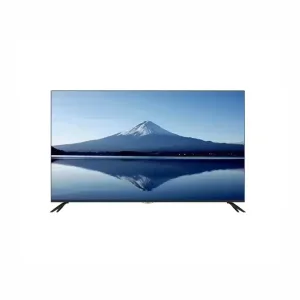
Wholesale Frameless 50-inch 4K QLED Android Smart TV, Ultra HD HDR Flagship for Commercial Export

OEM 75-inch 4K QLED Android Smart Voice TV, Ultra HD Large Screen Commercial & Hotel TV
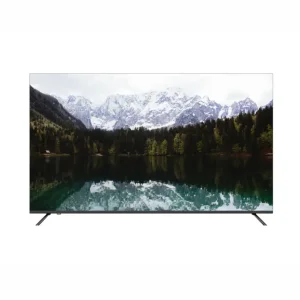
High-Quality 65-inch 4K OLED Self-Emissive Android Smart TV with Dolby Vision Precision
High-Quality 100-inch 4K Explosion-Proof Smart TV with Tempered Glass Screen for High-Traffic Public Venues
High-Quality 55-inch 4K QLED Android Smart TV with Frameless Design, Dolby Vision Commercial Spec
OEM 43-inch 4K UHD webOS Smart TV with AI Processing, Factory Source Manufacturer Direct Export
High-Quality 43-inch 4K QLED Google Smart TV, Google TV Export Network TV Factory Manufacturer
High-Quality 85-inch 4K QLED Android Smart Voice TV, Large Screen Flagship for Home & Enterprise Export
Request Custom Engineering Samples & Wholesale Price Matrices
Connect directly with our Guangzhou manufacturing engineering team. Receive detailed technical drawings, Bill of Materials (BOM) options, and competitive container freight pricing within 24 business hours.