⚡ Direct Factory Procurement
Primary Small & Versatile Commercial Display Units
Engineered specifically for engineering procurement, multi-room hospitality, mobile infotainment, and borderless commercial integration.
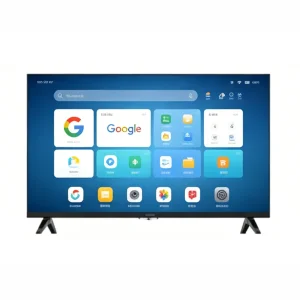
OEM 32-inch Full HD webOS Smart TV, LG System Architecture
View Specifications & RFQ →
High-Quality 43-inch 4K QLED Google Smart TV Export Model
View Specifications & RFQ →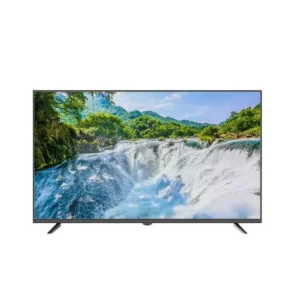
High-Quality 43-inch Borderless FHD Android Smart Engineering TV
View Specifications & RFQ →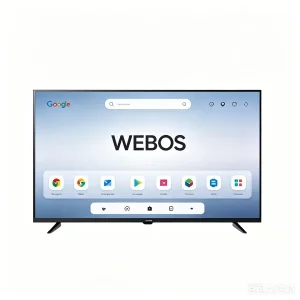
OEM 43-inch 4K UHD webOS Smart TV with AI Enhancement
View Specifications & RFQ →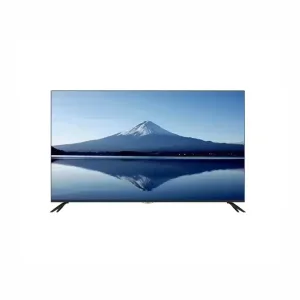
Wholesale Frameless 50-inch 4K QLED Ultra HD Android Smart TV
View Specifications & RFQ →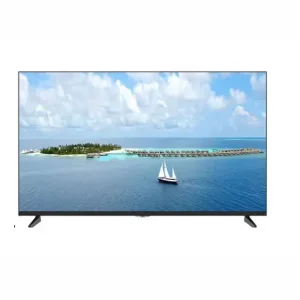
High-Quality 55-inch 4K QLED Frameless Dolby Vision TV
View Specifications & RFQ →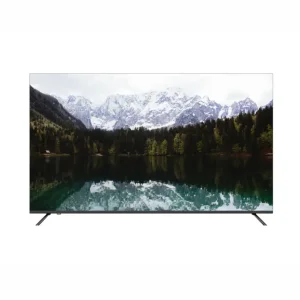
Flagship 65-inch 4K OLED Self-Emissive Android Smart Display
View Specifications & RFQ →
⚙ Industry Whitepaper Analysis
The Strategic Renaissance of Small Screen Display Solutions
Why the 24-inch to 43-inch display segment is undergoing a technological overhaul, fueled by specialized commercial deployments, IoT centralization, and micro-living spaces.
In the macroscopic global television market, while retail consumer advertising predominantly glorifies expansive 75-inch to 100-inch panels, global B2B procurement data reveals an entirely different dynamic. Small screen televisions (predominantly spanning 24-inch, 32-inch, and 43-inch form factors) represent the backbone of global television volume consumption. These systems are not merely cost-down alternatives for residential living rooms; they are sophisticated, purpose-built end-terminals driving smart hospitality infrastructure, recreational transport (RVs, luxury marine vessels), healthcare monitoring nodes, and secondary-room multimedia ecosystems.
Key Market Observation: As corporate buyers shift their focus from generic off-the-shelf displays toward deeply customized, OS-integrated hardware, selecting the right ODM partner determines not only unit economics but also field lifecycle longevity, regulatory agility, and regional software compliance.
Historically, smaller screens were treated as low-tier commodities with dated D-LED backlights and stripped mainboards. Today, the convergence of high-density edge-computing chipsets, universal Smart TV OS portability (including Google TV, Android Open Source Project, and webOS Hub), and advanced optical films has revitalized the small display category. Importers and brands must navigate a complex landscape of tuner frequencies (ATSC 3.0, DVB-T2/S2, ISDB-T), power-stage surge protection, and low-latency digital signage capabilities.
🏭 Upstream Industrial Ecosystem
Why Global Importers Rely on China's Small Screen TV Hubs
Leveraging the Pearl River Delta's integrated supply chain to achieve unparalleled bill-of-materials optimization, technical scalability, and precision manufacturing.
30+
Years Manufacturing Experience (Est. 1987)
60,000㎡
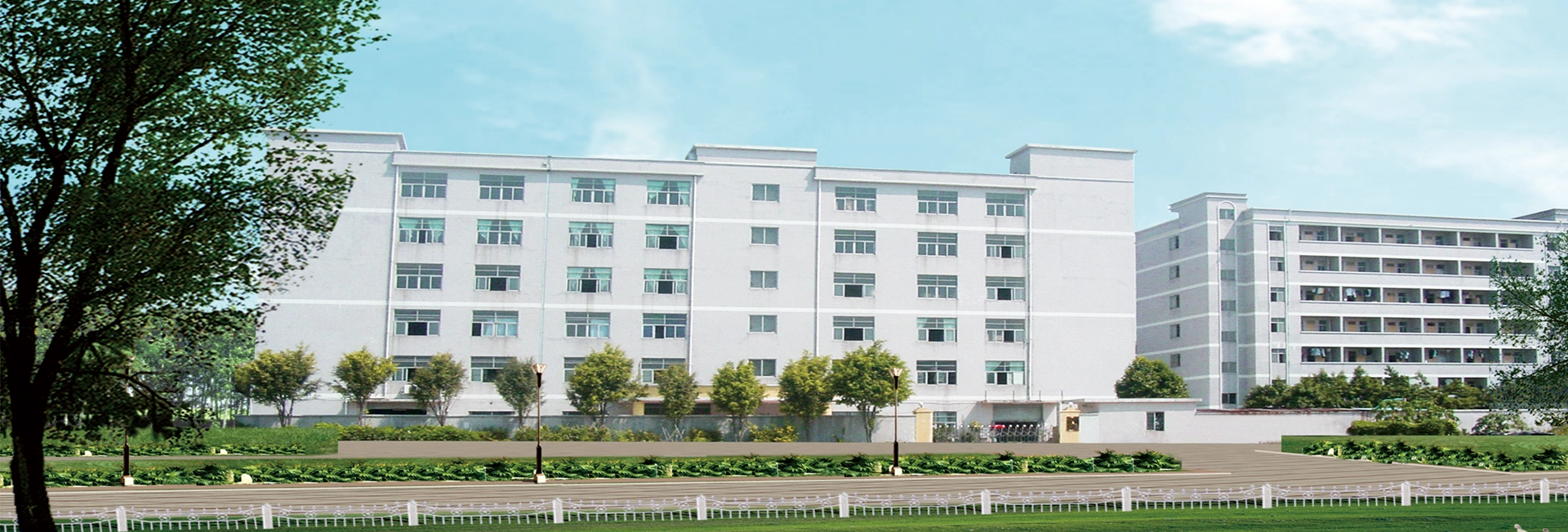
Integrated Cleanroom & Assembly Campus
200,000+
Monthly SKD/CKD Kit Delivery Capacity
100%
AQL Level II Signal & Thermal Aging Inspection
📐
Substrate & Open-Cell Sourcing Scalability
Direct Tier-1 partnerships with domestic glass fabricators (BOE, CSOT, HKC, Innolux) ensure continuous supply guarantees, Grade A+ panel sorting, and immune protection against fluctuating market panel costs.
🔬
Turnkey SMT & Motherboard Architecture
High-speed surface-mount technology (SMT) lines populate tailored mainboards configured with specialized Realtek, MediaTek, or Novatek SoCs, ensuring precision calibration for regional DTV modulation requirements.
📦
Modular SKD / CKD Engineering
Engineered knock-down solutions configured to bypass tariff barriers in high-import-duty territories such as Brazil, Nigeria, Egypt, and India, accompanied by strict engineering jigs and assembly training documentation.
🌐 Localized Applications
Macro Industry Solutions: Where Precision Small Screens Excel
Beyond standard residential use, small screens fill mission-critical roles across high-yield commercial niches.
🏨
Hospitality IPTV & Guest Systems
Engineered with custom firmware locks, Pro:Idiom decryption capabilities, customized welcome splash screens, and RS-232/RJ45 remote central management protocols designed specifically for boutique and enterprise hotel chains.
🚐
Recreational Vehicles & Off-Grid Living
Wide-voltage input architectures (9V-32V DC surge suppression) and anti-vibration structural chassis designs, providing resilience against road shocks and erratic solar/battery inverter power curves.
🏥
Healthcare & Bedside Information Nodes
Antimicrobial plastic bezels, isolated earphone audio loops, and low electromagnetic radiation profiles compliant with medical-adjacent commercial display installations.
🏬
POS, Digital Signage & Smart Supermarkets
Continuous 16/7 or 24/7 operating duty cycles, high-nit commercial backlights (up to 400 nits), portrait-mode mounting orientations, and auto-looping USB/network media playback configurations.
📊 Technology Forecasting
Upcoming Development Vectors for Small Screen TV Engineering
Key evolutionary directions shaping next-generation ODM manufacturing and procurement strategies over the next five years.
📶
Ubiquitous Smart Edge Computing
Transitioning away from rudimentary Linux-based non-smart sets. Even 24" entry units now demand certified Google TV or webOS interfaces, voice-remote integration, and seamless casting protocols (Chromecast, AirPlay) to bridge smart home IoT devices.
💡
Quantum Dot (QLED) Downscaling
Quantum Dot optical enhancement films are aggressively migrating downstream from premium flagship sizes into 32-inch and 43-inch screens, unlocking DCI-P3 >92% wide color gamuts at negligible incremental cost.
🌱
Strict Eco-Design & Energy Harmonization
Compliance with updated European ErP Lot 5 energy labeling regulations, demanding standby power <0.5W, higher optical efficiency backlights, and easily disassemblable post-consumer recycled (PCR) resin chassis.
📋 Strategic Sourcing Matrix
What Global Sourcing Directors Demand from a Tier-1 Supplier
Evaluating factory credibility, risk abatement protocols, and total-cost-of-ownership (TCO) benchmarks.
🛡
Comprehensive Regulatory Validation
Strict testing protocols for CE (EMC/LVD), FCC Part 15, RoHS, REACH, NOM, and CB schemes. Guaranteed documentation authenticity to mitigate customs impound risks at border points.
🎛
Granular ODM Customization Depth
Full brand injection: CNC metal laser engraving, custom silk-screened bezels, factory-injected boot animations, custom remote-control button mapping, and localized OSD languages.
🔍
Rigorous Defect Mitigation (AQL Benchmarking)
Multi-stage cleanroom inspection preventing dead pixels, light bleed, and clouding; high-temperature aging chambers ensure zero early field-life failures under extreme ambient conditions.
💬 Technical & Procurement Intelligence
Frequently Asked Questions for Small Screen TV Sourcing
Everything you need to know about lead times, customization thresholds, operating system licensing, and shipment packaging.
What is the minimum order quantity (MOQ) for custom ODM small screen televisions?
For standard OEM branding (silk-screened front logo, custom carton packaging, personalized user manuals, and customized boot splash screen), our typical MOQ starts at 500 units per screen size. For deeper ODM projects involving custom tooling for plastic front bezels or specialized metal back covers, the MOQ is evaluated according to mold amortizations, typically ranging between 1,000 and 2,000 units.
How do you handle Smart TV OS licensing (Google TV, webOS Hub, Android TV)?
We are authorized manufacturing partners for official Google TV, webOS Hub, and generic AOSP solutions. For certified Google TV models, mainboards are flashed with authenticated Google GMS keys, Netflix/Prime Video licenses, and Widevine L1 encryption keys to allow uninterrupted 4K/FHD DRM streaming. For cost-sensitive regions, we supply compliant AOSP network platforms with regional application store setups.
What is the logistical advantage of ordering SKD or CKD TV kits over CBU (Finished Goods)?
Completely Built-Up (CBU) units consume substantial container volume and are frequently subjected to elevated import duties in developing industrial nations (often between 20% and 45%). Semi-Knocked-Down (SKD) or Completely Knocked-Down (CKD) consignments dramatically reduce packing volume—allowing up to 3 to 4 times more units per 40ft HQ container—while qualifying for significantly lower raw material or component import tariffs.
Can your small screen TVs support 12V/24V direct DC power input for automotive/marine use?
Yes. We engineer customized internal power boards or specify certified external DC-to-DC step-down converters with built-in surge and reverse-polarity protection. This enables our 24-inch, 32-inch, and 43-inch units to operate directly from recreational vehicle (RV), yacht, or solar battery banks without needing a dedicated AC power inverter.
What quality verification processes are standard before container dispatch?
Every production batch undergoes incoming open-cell panel inspection (testing for pixel defects, uniform backlighting, and chromatic stability), a mandatory 4-hour dynamic high-temperature aging test, vibration/drop tests in compliance with ISTA-1A standards, and signal compliance checks covering your target country's precise broadcast modulations.
🖥 Complete Factory Lineup
Extended Television Portfolio: From Compact to Flagship Displays
Explore our full spectrum of display innovations—designed, engineered, and manufactured under one roof in Huadu District, Guangzhou.

OEM 75-inch 4K QLED Android Smart Voice Commercial TV
View Specifications & RFQ →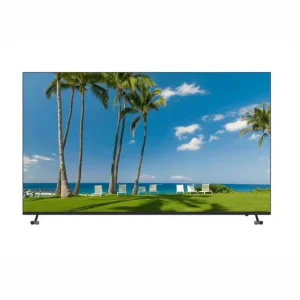
High-Quality 85-inch 4K QLED Android Voice Control Flagship
View Specifications & RFQ →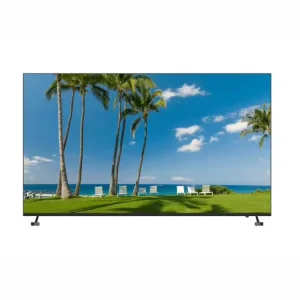
100-inch 4K Explosion-Proof Tempered Glass Smart Display
View Specifications & RFQ →
Wholesale Frameless 50-inch 4K Ultra HD HDR Android TV
View Specifications & RFQ →
OEM Borderless 32-inch High-Definition Network Smart TV
View Specifications & RFQ →
High-Quality 55-inch 4K QLED Dolby Vision Export Model
View Specifications & RFQ →
High-Quality 43-inch 4K QLED Certified Google Smart TV
View Specifications & RFQ →