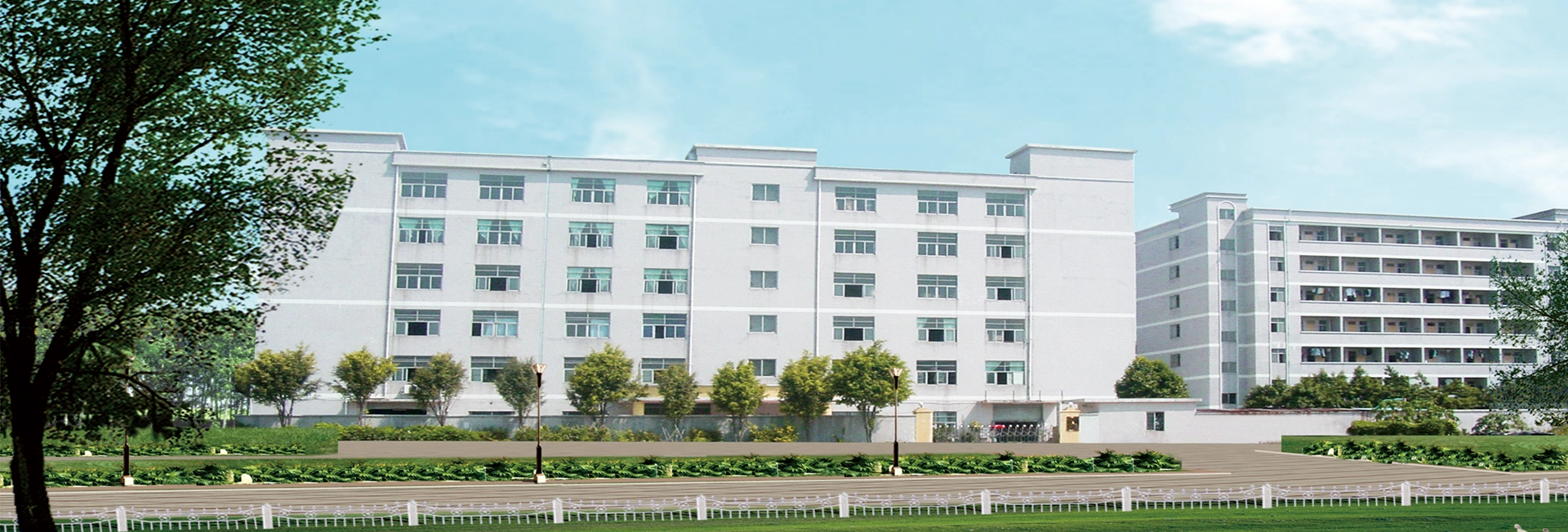
High-Performance LED Panel TVs for Global Sourcing
Direct production runs with strictly locked Bills of Materials (BOM), optical A+ grade panels, and multi-protocol smart OS licensing.
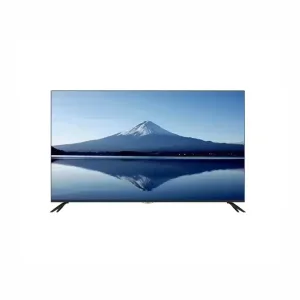
Wholesale Frameless 50-inch 4K Q LED Android Smart TV, Ultra HD HDR
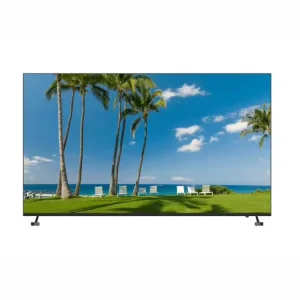
High-Quality 100-inch 4K Explosion-proof Smart TV with Tempered Glass Screen
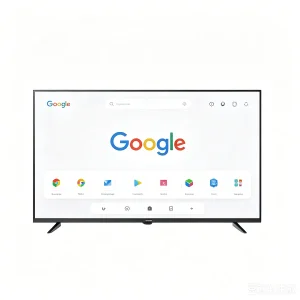
High-Quality 43-inch 4K QLED Google Smart TV Export Network TV
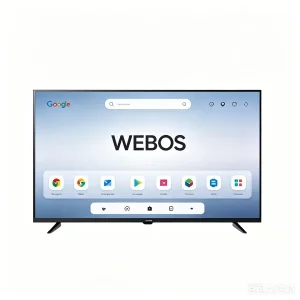
OEM 43-inch 4K UHD webOS Smart TV with AI Source Integration

OEM 75-inch 4K QLED Android Smart Voice TV Ultra HD
High-Quality 55-inch 4K QLED Android Smart TV Frameless Design
High-Quality 65-inch 4K OLED Self-Emissive Android Smart TV
High-Quality 43-inch Borderless FHD Android Smart TV Custom Engineering
Global Commercial & Consumer Display Market Status
Analyzing structural shifts in television procurement, panel fab economics, and localized operating system ecosystems.
The Bifurcation of Global TV Procurement: Brand Premium vs. Source ODM Agility
The global television ecosystem is experiencing an unprecedented structural realignments. Multinational brand leaders are rapidly transitioning toward asset-light operational models, divesting heavy capital expenditures in physical assembly lines to rely purely on certified Original Design Manufacturers (ODM). As a tier-1 LED panel TV factory established in 1987 in Huadu District, Guangzhou, WEIER (Guangzhou Wanteng Electronics) operates directly at the fulcrum of this transformation. Global buyers—including regional electronics retailers, hospitality procurement consortiums, cross-border e-commerce brands, and national importers—are bypassing traditional multi-tier trading entities to partner directly with source plants.
Modern display procurement is no longer driven solely by superficial pricing concessions; it demands precise technical execution across panel binning, power supply isolation, firmware engineering, and regulatory clearances. Tier-1 ODMs provide direct, unmediated control over the Bill of Materials (BOM), ensuring that every open-cell LCD/LED batch from Tier-1 foundries (such as BOE, CSOT, and HKC) is paired with the exact mainboard architecture, tuner demodulators, and power management units necessary to thrive under fluctuating regional grid conditions.
SKD / CKD Duty Arbitrage
Importing fully assembled displays into protectionist economies (such as Brazil, India, Egypt, Nigeria, and Algeria) often incurs punitive tariffs ranging from 35% to 65%. Supplying high-precision CKD (Complete Knock Down) kits with pre-aligned chip-on-glass (COG) open cells, stamped chassis, and tested mainboards cuts landed import tariffs to low single digits while ensuring local labor credits.
Platform Harmonization
Consumer behavior has radically diverged across regional continents. Where Western Europe and North America mandate certified Google TV or Roku integrations with DRM Widevine L1 encryption, emerging markets in Latin America and Southeast Asia require flexible Android TV architectures or customized webOS ecosystems paired with tailored local content launchers.
Commercial Hardening
Standard retail TVs suffer from rapid failure when placed into continuous-duty hospitality, KTV lounges, or public retail signage environments. Commercial OEM sourcing integrates flame-retardant enclosures, 4mm high-impact explosion-proof tempered glass front layers, conformal board coatings, and industrial MTBF thermal design.
China Factory Supply Chain Resilience & Efficiency
Inside the Huadu, Guangzhou industrial cluster: how three decades of engineering verticality eliminates middleman friction and delivers rapid turnarounds.
Guangdong Display Cluster Density
Huadu District, Guangzhou serves as an epicentral node within the Greater Bay Area display manufacturing corridor. Over 92% of TV components—from optical diffusion sheets, precision stamping backplates, and surface-mount power supplies to tooling molds and packaging paperboards—are sourced within a 45-minute logistics perimeter.
Tier-1 Direct Glass Allocation
Long-term foundry volume agreements shield our OEM clients from upstream glass market swings. By procuring A-Grade virgin open cells directly from premier fabs without secondary broker layers, we maintain uncompromising optical uniformity, zero sub-pixel defects, and verified HDR panel luminance.
Deep Engineering & SMT Control
Unlike light-assembly workshops, our 60,000 m² factory houses dedicated high-speed SMT lines for mainboard fabrication, cleanroom optical bonding, and high-temperature stress burn-in chambers. Every batch undergoes 4-hour dynamic aging at 40°C to eliminate infantile component mortality prior to box sealing.
Deep Localized Use Cases: Precision Engineering Beyond the Living Room
How our factory customizes panel illumination, glass hardening, firmware configurations, and chassis architectures for targeted enterprise deployments.
Hospitality & Hotel Chains
Engineered with locked Hotel Modes, custom boot logos, cloneable USB/IP channel maps, PMS (Property Management System) interoperability, and volume limiters. Prevents unauthorized firmware tampering and simplifies maintenance across hundreds of guest suites.
KTV, Bars & High-Impact Venues
Heavy-duty explosion-proof displays fitted with 4mm tempered, anti-glare, surface-treated safety glass. Direct mechanical bonding protects the liquid crystal layer from accidental impacts, airborne liquids, high ambient humidity, and cigarette smoke exposure.
24/7 Control & CCTV Monitoring
Equipped with wide-view IPS panels, anti-image retention (pixel-shifting) firmware, and reinforced industrial cooling fins. Built to handle continuous multi-channel video decodes without thermal degradation or color gamut fading.
National Supermarket Chains
High-volume, borderless 32" to 55" models engineered for mass consumer price points. Offers optimized DLED backlight arrays for low operational power draw, uniform chassis aesthetics, multilingual OSDs, and rugged export packaging.
Display Technology Roadmap: Engineering the Next Horizon
A strategic overview of emerging panel tech, SoC capabilities, and firmware standards implemented across our production lines.
Architecture Evolution: From Standard DLED to Quantum Dots and Mini-LED Backlights
Television display engineering is undergoing a rapid evolution toward higher quantum efficiency and localized micro-dimming. Our Huadu R&D center is systematically advancing manufacturing techniques across four core vectors:
| Architecture Stage | Backlight / Emitter Type | Color Gamut (DCI-P3) | Peak Luminance | Primary Commercial Target |
|---|---|---|---|---|
| Direct-Lit LED (DLED) | Edge-to-Edge SMD LED Array | 80% – 85% | 220 – 300 nits | High-throughput retail, entry-tier hospitality, volume supermarket programs. |
| Quantum Dot (QLED) | Inorganic Nano-Crystal Diffusion | 95% – 98% | 350 – 500 nits | Mid-to-high tier brand flagships, home cinema, premium boutique hotels. |
| Mini-LED Dimming | Multi-Zone Chip-Scale Packaging | 98%+ | 800 – 1200+ nits | Ultra-bright HDR, commercial luxury spaces, next-gen esports setups. |
| Self-Emissive OLED | Organic Pixel-Level Emitters | 99% True Black | 700 – 900 nits | Elite flagship consumer lines, studio reference displays, custom luxury OEM. |
AI Picture Processing (NPU Mainboards)
Integration of quad-core SoCs equipped with dedicated 1.2+ TOPS Neural Processing Units (NPUs). Real-time Super Resolution (SR) dynamically upscales legacy 1080p and 720p broadcast feeds to crisp 4K, automatically tuning localized contrast, edge sharpness, and human flesh tones.
Ultra-Low Latency HDMI 2.1 Gaming
Implementing native 120Hz/144Hz panel refresh rates, Auto Low Latency Mode (ALLM), and Variable Refresh Rate (VRR) across 55", 65", and 75" tiers to meet surging global consumer demand for high-end console gaming monitors.
Eco-Design & Low-Power Compliance
Engineering standby consumption down to <0.5W with high-efficacy power inverter designs compliant with stringent European Union Lot 5 Ecodesign standards and US Energy Star 8.0 benchmarks, reducing total lifecycle operational costs.
Comprehensive Compliance & Localized Technical Backing
Rigorous multi-stage quality control combined with turnkey international documentation guarantees frictionless customs processing.
International Certifications
Export units are fully tested and certified for major target jurisdictions: CE (EMC/LVD), FCC Part 15, RoHS hazardous substance compliance, CB safety reports, ERP energy verification, and SASO/NOM documentation for verified buyers.
Tuner Standard Harmonization
Motherboards are engineered with region-specific digital demodulators: DVB-T2/S2/C for Europe, Africa, and Central Asia; ATSC 3.0 for North America; ISDB-T (Ginga) for Latin America; and DTMB for mainland China and specialized territories.
Dedicated Field Service Support
Beyond shipping, we provide 1% spare part allocations (including mainboards, power supplies, LED backlight strips, and remote controls), OTA firmware upgrade infrastructure, and direct engineering-to-engineering remote troubleshooting.
Frequently Asked Questions for Sourcing & Procurement
Clear, direct answers to common questions regarding minimum orders, technical customizations, tooling, and supply logistics.
WEIER is the flagship export brand of Guangzhou Wanteng Electronic Co., Ltd., a genuine source factory operating continuously since 1987. Our 60,000 m² campus in Huadu District, Guangzhou houses 6 automated SMT and TV assembly lines, employing over 100 skilled engineers and assembly technicians. Clients deal directly with the factory floor.
For customized OEM orders (custom silkscreened bezel logo, bespoke startup animation, customized gift box, and branded remote), our standard MOQ is one 20ft container (approx. 300–800 units depending on screen size). Trial orders or blended-size container loads are supported for verified brand partners.
We supply up to 200,000 CKD/SKD units per month. Open-cell glass is packaged in specialized anti-static high-density wooden crates with desiccants; injection plastic bezels, back cabinets, metal stampings, and mainboards are individually shock-packed in modular corrugated master cartons. Complete SOP documentation and video assembly manuals are provided.
We configure three major operating system tracks based on market segment: Android AOSP (for open-apk flexibility and cost optimization), Google TV (fully licensed with Google Play, Widevine L1, and voice assistant), and webOS (LG ecosystem with AI magic remote compatibility).
Every display undergoes 100% incoming open-cell inspection (AOI), color balance calibration, hi-pot electrical isolation safety checks, 4-hour dynamic high-temperature aging, and 1.5-meter packaging drop tests. Factory audits (onsite or live remote video) are warmly welcomed prior to dispatch.
Standard production lead time for repeat OEM container orders is 20 to 25 business days from final artwork confirmation and deposit receipt. First-order customized tooling or bespoke silkscreen tooling typically completes within 30 to 35 business days. Flexible LC and TT payment frameworks are supported.
Ready for Production: Select Your Display Configuration
Direct from our Guangzhou facility. Choose an entry below to initiate a private-label quotation, request sample units, or schedule a technical audit.
Wholesale Frameless 50-inch 4K Q LED Android Smart TV, Ultra HD HDR
High-Quality 100-inch 4K Explosion-proof Smart TV with Tempered Glass Screen
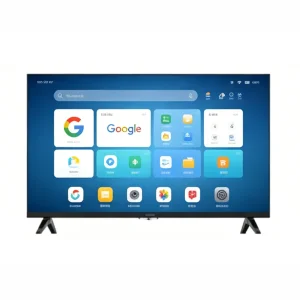
OEM 32-inch Full HD webOS Smart TV, LG System, for Home & Hotel
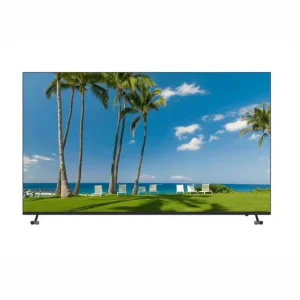
High-Quality 85-inch 4K QLED Android Smart Voice TV Ultra-HD Large Screen
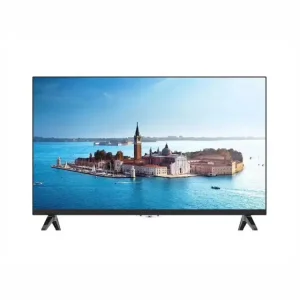
OEM Borderless 32 inch High-Definition Android Smart TV Wholesale
High-Quality 43-inch 4K QLED Google Smart TV Export Network TV
High-Quality 55-inch 4K QLED Android Smart TV Frameless Design