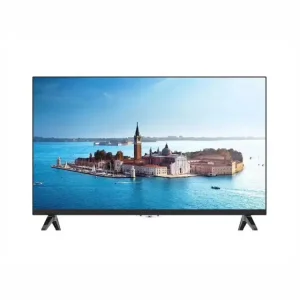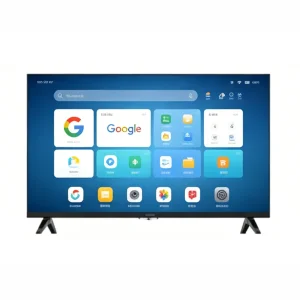
High-Performance Flat Screen TV Factory Lineup
Precision-engineered commercial and residential display panels customized for worldwide distributors, hotel engineers, and brand operators.
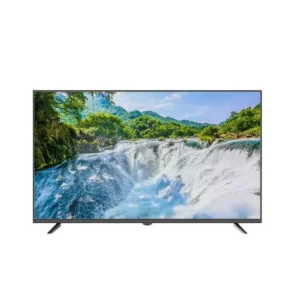
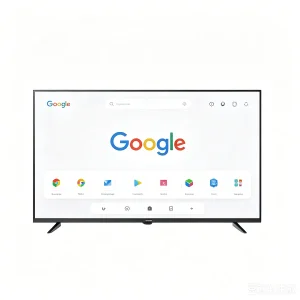
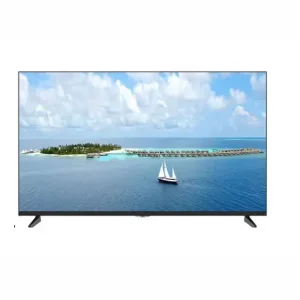
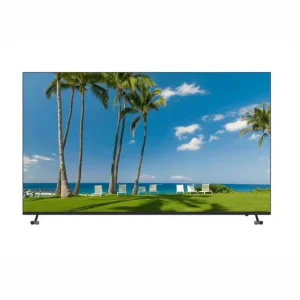
The Technological Paradigm Shift in Flat Screen TV Manufacturing
From early cathode-ray tube (CRT) disruptions to quantum-dot self-emissive architecture: how modern original design manufacturers (ODM) redefine display economies of scale.
Historical Milestones & First Flat Panel Pioneers
The transformation of consumer electronics over the past three decades is anchored by the emergence of the first flat screen TV factories. The commercialization of Liquid Crystal Display (LCD) and Plasma Display Panel (PDP) technologies in the late 1990s rendered bulkier CRT designs obsolete, triggering an unprecedented industrial revolution in television design, power efficiency, and spatial integration.
Early pioneering manufacturing facilities faced enormous technical barriers, including low Open-Cell yield rates, fragile backlighting uniformities, and high glass substrate processing costs. However, continuous R&D investments by tier-1 panel fabricators coupled with specialized ODM engineering hubs transformed flat screen televisions from luxury consumer novelties into omnipresent digital windows for modern homes and commercial infrastructure.
Next-Generation Display Panel Maturation
Today, ODM flat screen television manufacturing encompasses a multi-layered matrix of panel technologies:
- Direct LED (DLED) & Edge LED (ELED): High-reliability cost-effective backlighting engineered for mass retail distribution and commercial hospitality displays.
- Quantum Dot LED (QLED): Color enhancement filters employing nano-crystals to achieve over 95% DCI-P3 wide color gamut (WCG) coverage with peak brightness exceeding 1,000 nits.
- Self-Emissive OLED Panels: Organic Light Emitting Diodes providing absolute contrast (infinite-to-one) with zero backlight bleed, tailored for luxury consumer flagship models.
- Mini-LED & Micro-LED Architectures: Thousands of local dimming zones delivering precise HDR performance competing with OLED, designed for ultimate home theater immersion.
Supply Chain Information Gain: Modern OEM/ODM procurement is no longer restricted to selecting display shell aesthetics. High-volume enterprise buyers now collaborate with factories at the structural PCB design level, specifying Chip-on-Film (COF) panel drivers, power management ICs, localized tuner standards, and customized SoC chipset firmware.
Global Procurement Needs & Strategic Sourcing Dynamics
Navigating regional broadcasting standards, customs duty optimizations, and versatile form-factor engineering across six global trade continents.
1. CBU vs. SKD/CKD Sourcing Dynamics
Global television brands operate under diverse tariff regimes. Complete Built-Up (CBU) shipments suit markets with zero or minimal electronics import tariffs, offering immediate market readiness.
Conversely, regional assemblers in South America, Africa, and South Asia rely heavily on Semi-Knocked Down (SKD) and Completely Knocked Down (CKD) kits. By shipping Open-Cell panels, mainboards, power units, and injection-molded cabinets in modular kits, importers drastically reduce import duties, local labor taxation, and shipping cube volumes.
2. Multi-Standard Broadcasting Compliance
Factory-level mainboard engineering must account for fragmented international signal transmission standards. A unified hardware platform is impossible without modular tuner configurations:
- DVB-T2 / S2 / C: Mandatory for European, African, Middle Eastern, and Southeast Asian terrestrial, satellite, and cable digital broadcasting.
- ATSC 1.0 / ATSC 3.0 (NextGen TV): Essential compliance standards for North American, Mexican, and South Korean export lines.
- ISDB-T: Crucial for Latin American markets (Brazil, Argentina, Peru) requiring specific middleware and emergency broadcast signals.
3. Smart Operating System Ecosystems
Hardware without licensed software ecosystems limits commercial value. Enterprise buyers require factory-integrated, pre-certified OS options:
- Google TV / Official Android TV: Pre-loaded with Netflix 4K, Amazon Prime, DRM Widevine L1 certification, and Google Assistant voice remotes.
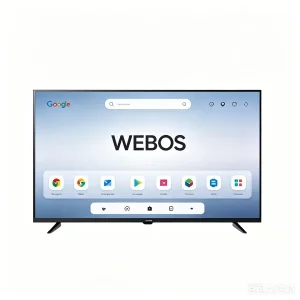
- LG webOS TV Ecosystem: Featuring the intuitive Magic Remote interface, ThinQ AI voice intelligence, and regional application stores.
- Customized Commercial Android Platforms: Stripped-down APK-ready platforms ideal for hotel IPTV streaming, signage content management, and digital menu boards.
China Factory 4.0: Supply Chain Resilience & Production Efficiency
How Guangzhou’s electronics industrial cluster delivers unrivaled cost efficiency, quality control, and rapid prototyping capabilities.
Vertical Integration & Panel Clustering
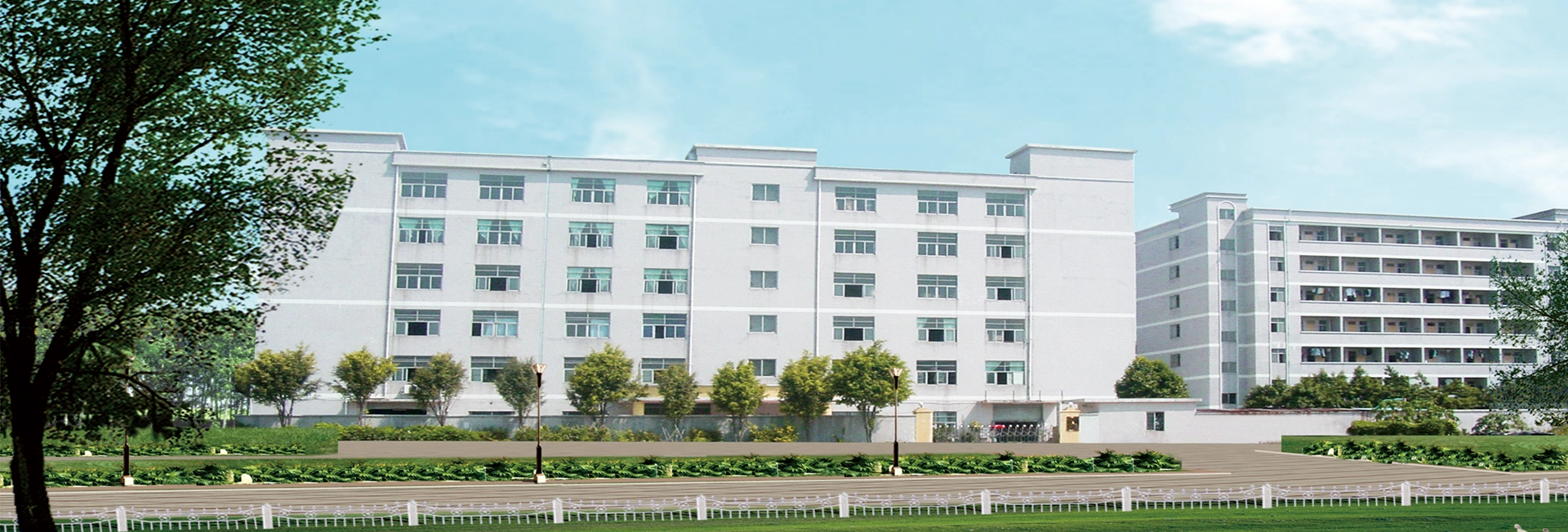
The concentration of glass panel fabrication plants (BOE, CSOT, Innolux, AUO) in Southern China provides ODM factories with unparalleled panel access. Guangzhou Wanteng Electronics (WEIER) leverages immediate proximity to these panel giants, drastically minimizing glass transit degradation and enabling zero-day inventory turnaround for Open-Cell inputs.
By housing Surface Mount Technology (SMT) high-speed placement lines, automatic plastic injection tooling molding, metal stamping, and clean-room optical backlight module assembly within a unified 60,000m² manufacturing plant, production lead times are reduced by up to 40% compared to fragmented global competitors.
Rigorous Factory Quality Verification Matrices
Quality reliability in mass TV production requires multi-stage automated optical inspection (AOI) and stress-testing infrastructure:
| Quality Gate Stage | Testing Protocol & Methodology | Standard Compliance |
|---|---|---|
| IQC (Incoming) | Open-Cell pixel defect inspection, IC board signal testing, LED strip color temperature binning. | AQL 0.4 / ISO9001 |
| SMT Inspection | 3D Solder Paste Inspection (SPI) & Automated Optical Inspection (AOI) for zero missing components. | IPC-A-610 Class II |
| Aging & Burn-in | 100% active screen aging under high humidity/temperature (45°C) for a minimum of 4–8 hours continuous. | CE / FCC / RoHS |
| OQC (Outgoing) | Drop testing, vibration resistance simulation, high-voltage surge protection, ISTA packaging audits. | Export Cargo Certified |
B2B Localized Application Scenarios & Customizations
Standard consumer televisions fail in harsh, continuous commercial conditions. Specialized ODM manufacturing delivers targeted structural and electronic adaptations.
Hospitality & Hotel TV Systems
Hotel operators demand security features and seamless control integration. ODM custom engineering provides:
- Hotel Mode Lockout: Restricts guest access to OS settings, prevents unauthorized volume spikes, and locks tuning menus.
- Welcome Screen Customization: Displays hotel branding logos, custom greeting messages, and IP network video channels upon power-on.
- RS232 / IR Pass-through: Compatible with Pro:Centric or custom guest room management systems (GRMS).
Commercial High-Traffic Venues
For deployment in sports bars, public transport terminals, school halls, and KTV entertainment lounges:
- Explosion-Proof Tempered Glass: Front surface reinforced with 3mm–4mm high-transmittance optical tempered glass protecting against accidental impacts and liquids.
- High-Brightness Panel Drive: Upgraded LED arrays delivering 500–700 nits brightness to overcome ambient commercial lighting.
- Dust & Moisture Sealing: Protective conformal coating applied to internal mainboards for extended lifespan in humid climates.
Retail Supermarkets & Engineering
High-volume supermarket promotions and public project tenders demand strict cost optimization:
- Frameless / Borderless Industrial Design: Bezel-less aesthetics maximize screen-to-body ratios for sleek modern home wall installations.
- Ultra-Wide Input Connectivity: HDMI 2.1, USB, AV input, RJ45 Ethernet, Optical Audio Out, and RF TV antenna ports.
- Eco-Power Efficiency: Standby power consumption engineered below 0.5W to comply with strict EU ErP environmental regulations.
Supplier Evaluation Checklist for OEM/ODM TV Buyers
Use this 5-point strategic procurement framework to evaluate original TV manufacturing factories before signing contract manufacturing agreements.
1. Panel Source Transparency & Grading
Always request written confirmation of the Open-Cell panel supplier and panel grade. Reputable factories utilize Grade-A display glass with strict zero-bright-pixel guarantees (ISO 9241-307 Class 1). Avoid unbranded secondary glass suppliers when building a reliable consumer brand.
2. OS Certification & DRM Key Licensing
If purchasing Smart TVs running Android or Google TV, verify that the supplier holds legitimate device licensing agreement (EDLA) certificates and Google Widevine L1 encryption keys. Unlicensed smart boards face sudden system revocations or restricted access to 4K streaming applications.
3. Tooling Customization & Private Labeling
Ensure the ODM factory offers comprehensive private-label customizations, including front frame logo silk-screening, custom molded remote controls, personalized carton art printing, custom boot-up logos, and firmware system launcher UI modifications.
4. SKD/CKD Packaging Optimization
When procuring SKD/CKD kits, inspect the supplier's packaging engineering. Open-Cell panels require specialized wooden crates or anti-static high-density EPE foam containers. Mainboard kits, LED backlight bars, cables, and bezels must be individually partitioned to prevent shipping abrasion.
5. Spare Parts & Warranty Support
Professional ODM factory contracts include 1% to 2% FOC (Free of Charge) mainboard, power supply board, remote control, and LED strip spare parts shipped inside every container, backed by technical engineering support for localized RMA repair centers.
Frequently Asked Questions (FAQ) for ODM Flat Screen TV Procurement
Addressing essential technical, commercial, and logistical inquiries from global electronics procurement directors.
Explore Complete OEM/ODM Television Series
Direct factory sourcing across 32-inch to 100-inch smart platforms on Android, Google TV, and webOS operating systems.