Featured Commercial & Projektor TV Displays Ready for Sourcing
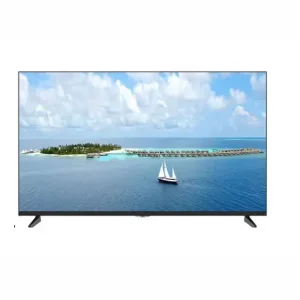
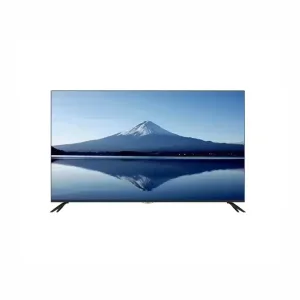
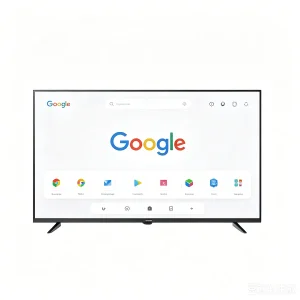
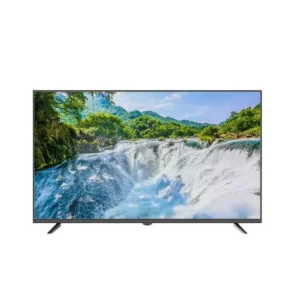
Explore our top-tier export models engineered in our 60,000 m² facility. Full OEM/ODM branding, bespoke tuners, and turnkey Android/Google TV/webOS systems available.

Executive Overview: The Evolution of Projektor TV and Giant Screen Architecture
How the intersection of Ultra-Short-Throw (UST) Laser Projection and Large-Scale Quantum Dot / OLED panel manufacturing is redefining global B2B procurement standards.
In modern optoelectronics and commercial consumer electronics, the boundary between direct-view flat panels and front-projection display systems has permanently converged into what the global market terms the Projektor TV (also designated Laser TV or Ultra-Short-Throw Projector Television). For brand custodians, national distributors, and hospitality system integrators, navigating this technological convergence requires deep structural comprehension of optical physics, supply chain economics, and operational field durability.
Historically, commercial clients desiring screen real estate beyond 85 inches confronted severe physical limitations: colossal glass substrate weights exceeding 70 kilograms, fragile logistics with catastrophic freight breakage rates, narrow elevator shaft clearances that disqualified residential penthouses or executive boardrooms, and skyrocketing per-unit tariffs. Projektor TV architecture bypasses direct-view glass limitations entirely by divorcing the solid-state laser light generation engine from the passive Ambient Light Rejecting (ALR) optical surface.
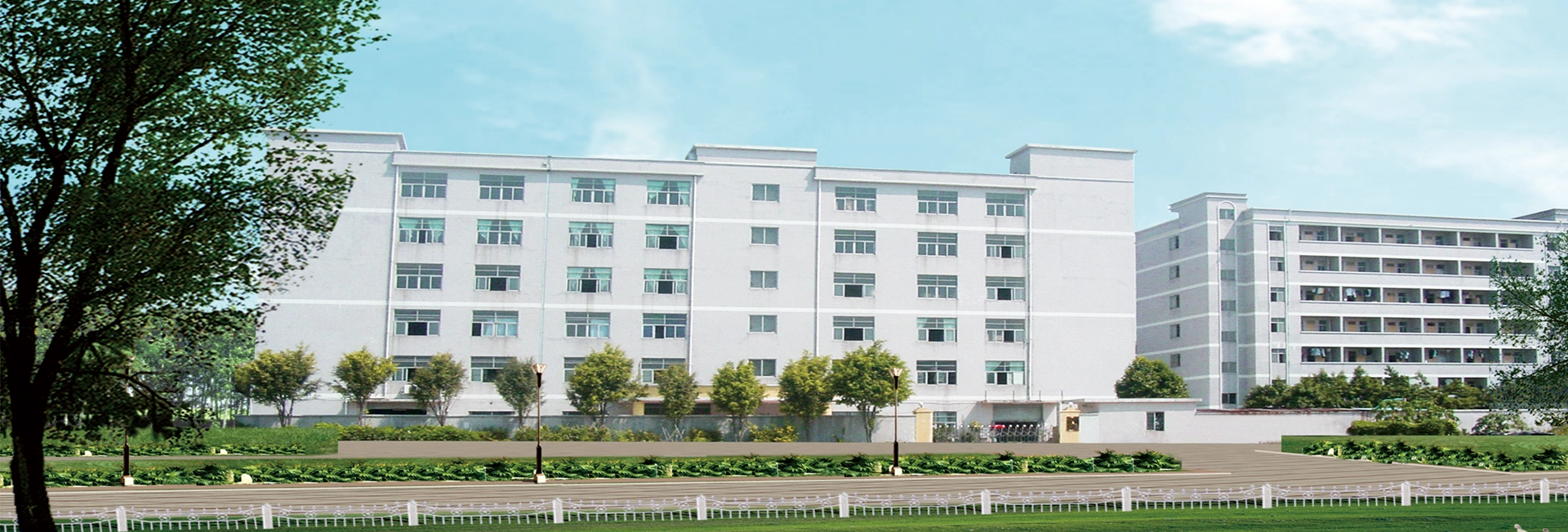
At Guangzhou Wanteng (WEIER) Electronic Co., Ltd., our manufacturing heritage spanning nearly four decades (established in 1987) affords us an unmatched engineering vantage point. Operating across 60,000 square meters of integrated production space with six fully automated lines in Huadu District, Guangzhou, we produce both high-aperture direct-view displays (32" to 100" tempered-glass explosion-proof panels) and ultra-precision solid-state projector optical engine modules. This dual manufacturing capability empowers our global OEM/ODM partners to select the mathematically superior display morphology based on total cost of ownership (TCO), ambient lux parameters, and localized regulatory regimes.
| Evaluation Parameter | Ultra-Short-Throw Projektor TV | 100-Inch Direct-View QLED / LED TV | Conventional Long-Throw Projector |
|---|---|---|---|
| Optical Engine / Backlight | RGB Pure Laser / ALPD 4.0 Phosphor | Direct Mini-LED / Edge QLED Array | UHP Metal Halide Lamp or Standard LED |
| Throw Ratio (TR) | 0.20:1 to 0.25:1 (Ultra-Short-Throw) | N/A (Direct Surface Display) | 1.2:1 to 2.5:1 (Ceiling or Rear Mounted) |
| Shipping Logistics & Weight | Ultra-compact engine (8–12 kg) + Rollable ALR | Heavy glass crate (>85 kg gross weight) | Compact projector, but requires dedicated room |
| Daylight Usability (Ambient Lux) | High (When matched with Fresnel / Black Grid ALR) | Maximum (500–1200 nits panel luminance) | Poor (Severely washed out in ambient light) |
| Visual Ergonomics & Blue Light | Diffused reflection (Near zero direct blue spike) | Direct light emission towards human eyes | Diffused reflection, but variable contrast |
| Duty / Tariff Optimization | Optoelectronic engine classification (Lower duty) | Classified as finished television (High luxury tariff) | Projector classification, lacking native Smart TV OS |
Inside the Factory: Precision Architecture of High-Quality Projektor TVs
An engineering analysis of how our SMT lines combine Texas Instruments DLP micro-mirror arrays, multi-phosphor laser engines, and high-compute AI image processors.
Solid-State Laser Engine & DMD Optomechanics
At the heart of the WEIER Projektor TV series lies a dust-sealed (IP5X rated) optical block incorporating 0.47" or 0.66" 4K UHD Digital Micromirror Devices (DMD). Using high-frequency optical actuators and multi-color laser phosphor arrays, our systems yield true 3840 x 2160 resolution with over 3,000 ANSI Lumens of stable luminous flux. With an expected diode lifespan exceeding 25,000 to 30,000 operating hours, maintenance overhead is practically eliminated compared to traditional discharge lamps.
Fresnel & Lenticular ALR Optical Screen Synergy
A high-performance Projektor TV requires a mathematically tailored optical substrate. We co-engineer Lenticular Black Grid (PET crystal structure) and multi-layered optical Fresnel screens that achieve ambient light rejection ratios of up to 88% to 93%. Ambient ceiling downlights are suppressed through microscopic prism reflection while bottom-projected laser rays are focused precisely toward the viewer's focal axis, guaranteeing black levels up to 3000:1 native static contrast in fully lit commercial rooms.
Enterprise Motherboards & AI Image Processing
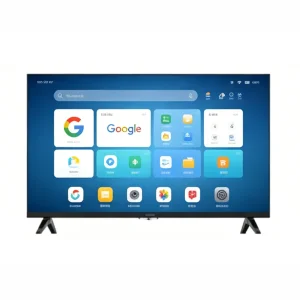
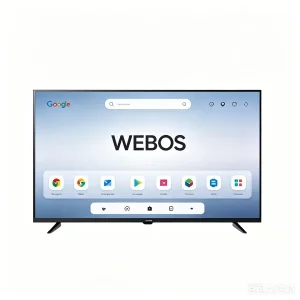
Our automated SMT lines populate mainboards equipped with MediaTek (MT9638 / MT9669) and Realtek high-performance 64-bit quad-core processors. Integrated Neural Processing Units (NPUs) execute real-time frame interpolation (MEMC 120Hz), sub-pixel tone mapping for HDR10+ and Dolby Vision, and dynamic laser dimming. Software builds are factory customized across Android TV, certified Google TV, and official webOS systems for unmatched ecosystem compatibility.
China Factory Supply Chain Dominance: The Guangzhou Ecosystem Advantage
Why sourcing directly from Guangzhou Wanteng Electronics provides international brand owners with unshakeable Bill-of-Materials cost control and rapid production turnaround.
The manufacturing of optoelectronic hardware, such as 4K Projektor TVs and large-format commercial smart screens, is heavily contingent upon cluster proximity. Located in the Fenghuang Anzhi Industrial Zone of Huadu District, Guangzhou, our manufacturing facility sits squarely in the world's most concentrated optical and digital display corridor—the Greater Bay Area. This strategic geolocation confers definitive supply chain benefits that trading middlemen and overseas assemblers cannot replicate:
- Direct Panel & Optic Foundry Integration: We maintain upstream tier-1 supply agreements for direct-view liquid crystal open-cells (BOE, CSOT, Innolux, AUO) and high-lumen optical engines. Raw glass substrates, prism arrays, and laser diodes arrive on our cleanroom lines with zero logistics transit overhead.
- Bespoke SMT & Plastic Injection Tooling In-House: Guangzhou Wanteng runs dedicated mold-tooling workshops for front bezels, back-covers, acoustic chambers, and heat dissipation fins. Having tooling and SMT under one operational management structure compresses product development lead times from the industry average of 90 days down to just 21 days for custom prototypes.
- Fixed Bill of Materials (BOM) Stability: Fluctuations in component binning can sabotage an international procurement rollout. Once our client signs off on the Golden Sample, our ERP strictly locks the component matrix—from electrolytic capacitor ratings on the power board down to the tuner demodulator chip (supporting DVB-T2/C/S2, ATSC 3.0, or ISDB-T).
- Massive SKD & CKD Modular Output for Duty Arbitrage: For developing markets throughout Africa, South America, and South Asia where completed televisions (CBU) attract crippling import tariffs (frequently between 35% and 65%), our factory prepares Semi-Knocked-Down (SKD) and Completely-Knocked-Down (CKD) kits. With a monthly capacity exceeding 200,000 CKD kits, we pack optical modules, motherboards, ribbon cables, and structural frames with millimeter precision, enabling local assembly plants to qualify for low-tariff industrial classifications.
Zero-Middleman Price Integrity
Every dollar paid goes into silicon quality, optical clarity, and structural build. By eliminating export brokers, OEM brand partners secure a 12% to 22% margin advantage at retail and tender.
Multimodal Port Access
Direct proximity to Guangzhou Nansha, Shenzhen Yantian, and Hong Kong container hubs allows 40ft High Cube containers to depart the plant floor and clear customs within 24–48 hours.
Engineered Container Loading (CBM)
Our proprietary flat-pack packaging designs for both CBU and CKD maximize shipping pallet density, lowering ocean freight cost per unit by as much as 18% during high-rate shipping cycles.
Meeting Global B2B Procurement Demands: Engineering Compliance for 6 Continents
How WEIER guarantees frictionless market clearance across North America, the European Union, Latin America, the Middle East, Africa, and Oceania.
European Union (CE, RoHS, ErP)
Export models destined for European retail or institutional installations meet rigorous CE-RED directives, strict RoHS hazardous chemical threshold limitations, and low-standby power guidelines (<0.5W sleep mode). Embedded tuners handle DVB-T2/C/S2 with CI+ slot support for pay-TV conditional access modules.
North America (FCC, UL, Energy Star)
All Projektor TV optical blocks and smart boards shipped to the USA and Canada maintain FCC Part 15 Class B electromagnetic interference certification, ensuring zero interference with household Wi-Fi or medical apparatus. Power supplies conform to UL 62368-1 safety standards with ATSC 1.0/3.0 NextGen TV broadcast integration.
Latin America (NOM, SUBTEL, ISDB-T)
Backed by over two decades of dedicated export supply to South America, our motherboards natively process the ISDB-T terrestrial transmission format used in Brazil, Argentina, Colombia, and Peru. Voltage transformers feature wide-range dynamic tolerance (90V–260V 50/60Hz) to prevent mainboard burnout in regions with unstable electrical grids.
Middle East & Africa (SASO, G-Mark, SONCAP)
Our engineering laboratory conducts aggressive thermal stress screening (up to 45°C ambient chamber testing with 85% relative humidity) to ensure laser optical diodes and power inverters operate non-stop in Gulf desert environments without thermal shutdown or chromatic aberration drift.
Technological Horizons: What Defines the Next Generation of Projektor TV?
An insider projection of optoelectronic breakthroughs, solid-state laser physics, and AI-accelerated user interaction for the 2025–2030 market cycle.
RGB Pure Triple Laser Transition
While single-laser systems with yellow phosphor wheels dominate budget segments, the commercial high-end is rapidly migrating to direct Red, Green, and Blue (RGB) laser diodes. This architecture achieves 107% coverage of the ultra-wide BT.2020 color gamut, unlocking photo-realistic color saturations that surpass conventional OLED panels.
AI Computer Vision & Auto-Geometric Calibration
Manual keystone alignment and optical focus are obsolete. Our next-generation chassis incorporate integrated CMOS depth sensors and ToF (Time-of-Flight) lasers that analyze projection geometry, ambient wall color, and surface flatness within 4 seconds, auto-calibrating focus and warping instantly without user intervention.
Architectural Acoustic Integration
Modern Projektor TV chassis double as primary home theater sound bars. Our factory works in tandem with Dolby Laboratories to integrate labyrinthine acoustic resonance cavities, dual silk-dome tweeters, and passive low-frequency radiators driven by digital Class-D amplifiers that support native Dolby Atmos decoding.
Bespoke Enterprise Deployments: Where Projektor TV Displays Excel
Matching display physical specifications to distinct operational environments for peak commercial return.
1. High-End Residential Cinemas & Luxury Villas
For modern living rooms characterized by floor-to-ceiling glass windows, standard projectors wash out and 100-inch direct-view TVs look like giant black monoliths when turned off. A 100" to 120" UST Projektor TV coupled with a motorized floor-rising Fresnel ALR screen enables seamless aesthetic concealment while delivering breathtaking 4K HDR home theater immersion upon voice activation.
2. Corporate Boardrooms & Video Conferencing
Modern corporate spaces demand screens capable of split-screen 4K data visualization, lag-free Microsoft Teams / Zoom integration, and non-fatiguing visual ergonomics during 8-hour executive workshops. Diffused optical reflection ensures attendees never experience direct retinal glare or digital eye strain, fostering sustained focus.
3. Hospitality Suites & Executive VIP Lounges
Hotel chains deploy custom-branded Projektor TVs integrated with custom hospitality launchers. When guests enter, the smart interface boots to welcome messages, local excursion reservations, and frictionless wireless screen mirroring from iOS and Android devices without requiring network credential exposure.
4. Commercial KTV, Nightclubs & Sports Lounges
High-traffic commercial venues require hardened hardware. In addition to Projektor TVs, our factory produces 100-inch tempered glass explosion-proof 4K TVs engineered to withstand accidental physical impacts from patrons, liquid splashes, and continuous 24/7 operating schedules without optical degradation.
Explore Complete Wholesale Screen Solutions for Global Distribution
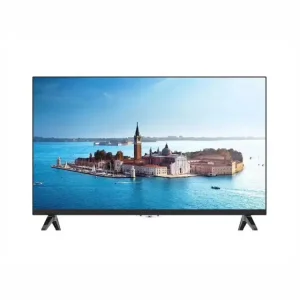
Direct factory access to our comprehensive lineup of 32-inch to 100-inch smart commercial televisions, WebOS displays, and export-ready smart platforms.
Frequently Asked Technical & Sourcing Questions
Direct, transparent answers from our chief engineers and global export management team.