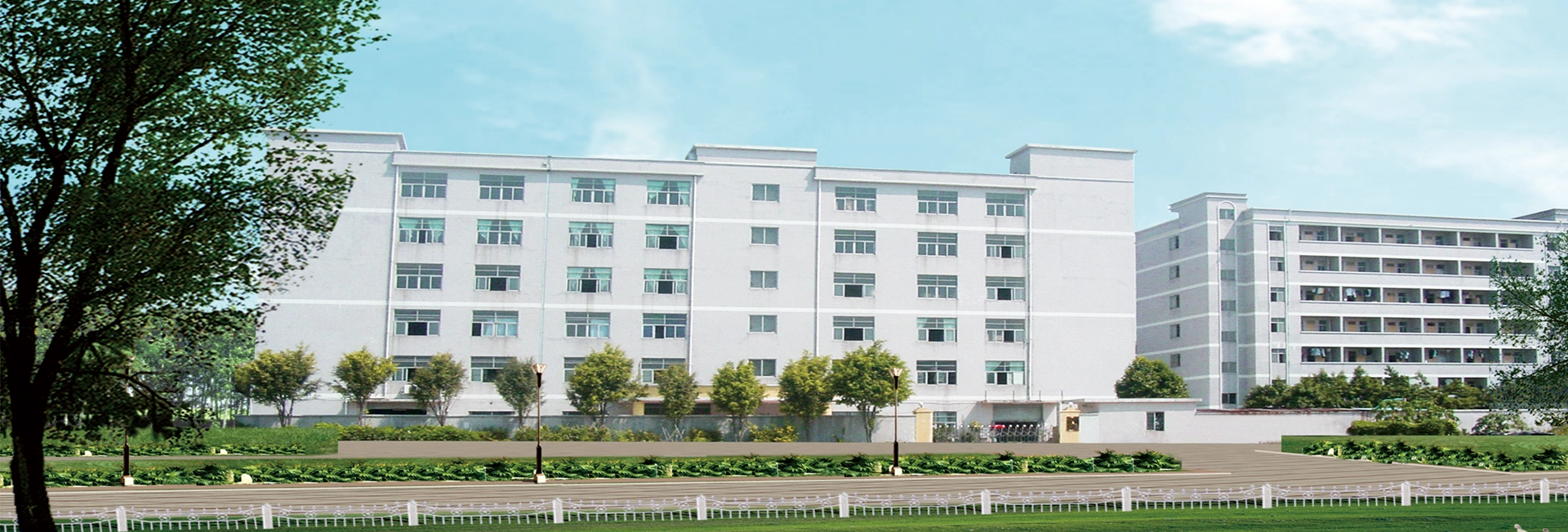
High-Velocity Wholesale WEBOS & Smart Displays for Melbourne Projects
Selected core skus engineered with pre-calibrated DVB-T2/C tuners, native webOS Hub interfaces, and direct Australian compliance readiness for multi-residential, boutique hospitality, and corporate deployments.
-
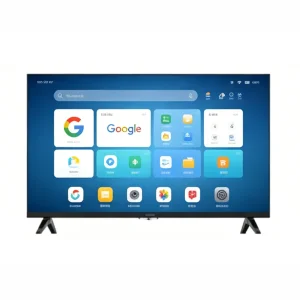 Melbourne Hotel Spec
Melbourne Series: OEM 32-Inch Full HD webOS Smart TV, LG System Architecture for Home, Bedroom & Hospitality Export
Configure Model → -
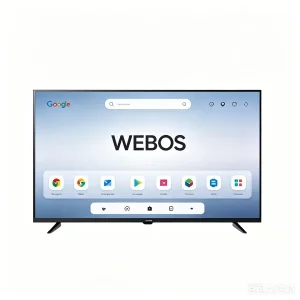 Commercial Grade 4K
Docklands Fleet: OEM 43-Inch 4K UHD webOS Smart TV with ThinQ AI, Source Factory Direct for Commercial & BTR Living
Configure Model → -
 Flagship Boardroom
Melbourne Executive: OEM 75-Inch 4K QLED Large Screen Display with Voice Command & Commercial Signage Mode
Configure Model → -
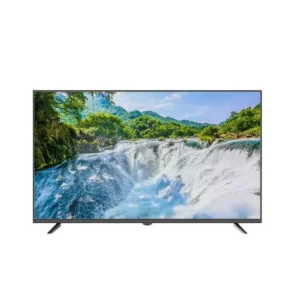 Engineering Volume
Victoria Project Grade: 43-Inch Borderless FHD Smart TV Engineered for Supermarket, Hotel & Multi-Unit Development
Configure Model →
The Greater Melbourne Commercial Display Economy: Structural Shifts & Demand Drivers
An exhaustive technical evaluation of why Melbourne’s institutional developers, Tier-1 builders, and commercial procurement consortiums are pivoting directly to source manufacturers for webOS television fleets.
The Greater Melbourne metropolitan area—stretching from the high-density urban canyons of Southbank, Docklands, and the Central Business District (CBD) across to burgeoning suburban economic hubs like Box Hill, Clayton, and Dandenong—represents the most dynamic commercial display market in Oceania. As Victoria continues to lead Australia in multi-residential Build-to-Rent (BTR) infrastructure, international hospitality revamps, and decentralized corporate tertiary offices, procurement directors face mounting friction with traditional domestic distribution models. Traditional tiers of importers, local distributors, and AV integrators layer on excessive margins, while failing to provide root-level firmware control, customized system integration, or containerized freight efficiencies.
This white paper delineates the industrial paradigm shift currently taking place across Melbourne. Commercial volume buyers, electrical contractors, and private-label retail brands are transitioning toward direct-from-factory OEM/ODM procurement models. At the apex of this migration is the webOS System TV architecture. Unlike legacy proprietary commercial panels or fractured open-source Android forks that lack official wideband certification, the webOS operating system—backed by the certified LG webOS Hub ecosystem—delivers the exact convergence demanded by Victorian commercial specifications: enterprise-grade security protocols, turnkey compatibility with local broadcast infrastructure (Freeview DVB-T/T2), native DRM certifications for global content pipelines (Netflix, Stan, Disney+, Foxtel Binge), and centralized web-based content management capabilities.
Why webOS Hub Outperforms Alternative Platforms in Commercial B2B Deployments
Evaluating kernel security, content licensing agility, remote device management, and industrial hardware life cycles across Tier-1 enterprise operating platforms.
Enterprise-Grade webOS Security
Built upon a hardened Linux kernel, webOS provides strict app containerization and encrypted keystore credentials. For corporate offices in Collins Street and boutique healthcare clinics, this architecture guarantees zero lateral network penetration risk compared to uncertified Android TV side-load forks.
Turnkey Magic Remote & ThinQ AI
The patented gyroscope-driven Magic Remote interface provides point-and-click fluid control, significantly decreasing UI friction in hospitality settings. Voice command processing supports Australian English vernacular natively, optimizing guest satisfaction throughout Victoria’s tourism corridors.
Global OTT DRM & Local Australian Apps
Our OEM webOS manufacturing license guarantees pre-installed, certified Widevine L1 and PlayReady DRM pipelines. Australian-specific services including ABC iview, SBS On Demand, 7plus, 9Now, and 10 play execute flawlessly alongside tier-1 international streaming platforms without broken APIs.
| Evaluation Parameter | OEM webOS Hub Architecture (Our Factory) | Stock AOSP / Generic Android | Certified Google TV Platform | Samsung Tizen B2B Commercial |
|---|---|---|---|---|
| Operating OS Architecture | Hardened webOS Linux Kernel (LG Licensed) | Open Source AOSP Fork (Mobile Base) | Google TV (Android TV OS 12/14) | Tizen OS Proprietary Kernel |
| Australian App Ecosystem | ✔ Fully Certified Local & Global OTT | ✘ Broken Widevine L1, High Failure Rate | ✔ Certified via Google Play Store | ✔ Certified via Tizen Store |
| Hospitality Hotel Mode / CMS | Native webOS Commercial Hotel Mode & Cloning | Fragmented 3rd Party APK Dependency | Requires Enterprise MDM Layer | LYNK Cloud Dependent (High License Cost) |
| Australian MEPS / Energy Rating | Ultra-Low Eco Standby (<0.5W) GEMS Ready | High Background Drain (>2.5W) | Standby Optimized (0.5W - 1.2W) | Eco Standby Compliant |
| Cost / Factory Direct Feasibility | ✔ Highly Cost-Effective Sourcing Direct | Lowest Initial BOM, Extreme Aftermarket Risk | Moderate to High License Royalties | Monopolistic OEM Pricing, No Factory Direct |
Australian & Victorian Regulatory Compliance: RCM, ERAC, MEPS & ACMA
Navigating the rigorous legal requirements governing electrical safety, electromagnetic compatibility, and energy efficiency for commercial equipment imported into Victoria.
Importing uncertified consumer electronics into Australia carries catastrophic civil liabilities, severe customs seizures by the Australian Border Force (ABF), and project halts initiated by WorkSafe Victoria. When procurement leaders source from Guangzhou Wanteng (WEIER) Electronic Co., Ltd., every single webOS television batch is manufactured in strict alignment with mandatory Australian standards:
Electrical Safety: AS/NZS 62368.1
Every internal power supply unit (PSU) and power delivery circuit is verified against the joint Australian/New Zealand safety standard for Audio/Video and Information Technology equipment, ensuring thermal isolation, arc-prevention, and lightning surge suppression for Victoria's electrical grid.
RCM & ACMA EMC Standards
Full adherence to AS/NZS CISPR 32 Class B guarantees low electromagnetic radiation. TVs operate without causing interference across dense commercial wireless local-area networks (WLAN), sensitive medical telemetry, or mission-critical commercial building automation systems.
MEPS & GEMS Act 2012 Certified
Australia’s Greenhouse and Energy Minimum Standards (GEMS) impose world-leading requirements on television efficiency. Our advanced backlight modulation, optical diffusion films, and active power management deliver ultra-high star ratings, fulfilling ESG criteria for green star rated commercial buildings.
Tailored Deployment Architecture for Melbourne's Core Economic Verticals
From luxury high-rises along the Yarra River to regional medical centers in Geelong and Bendigo, discover how our custom webOS TV manufacturing satisfies specialized end-user environments.
1. Build-To-Rent (BTR) & Luxury High-Rise Living
The urban core of Melbourne—specifically Southbank, Docklands, and Fisherman's Bend—is experiencing an unprecedented influx of institutional BTR projects backed by domestic super funds and global asset managers.
- Zero-Touch Fleet Provisioning: USB and cloud cloning features allow facilities managers to replicate bespoke channel maps, welcome branding, and network configurations across 500+ apartments in minutes.
- Minimalist Frameless Aesthetics: Ultra-narrow anodized aluminum bezels seamlessly blend into modern Scandinavian and industrial Melbourne interior design schemes.
- Apple AirPlay 2 & Miracast: Residents stream directly from their personal devices without peripheral hardware or dongles cluttering wall-mounted architecture.
2. Healthcare Networks & Specialized Aged-Care
Victoria's world-class healthcare corridor, encompassing Monash Medical Centre, the Royal Melbourne Hospital precinct, and premium private elder-care facilities, demands sanitizable, reliable display infrastructure.
- Commercial Lockout Controls: Restrict volume thresholds to prevent auditory disturbances in multi-bed wards; lock down USB ports to avoid malware contamination.
- High-Durability Industrial Panels: Commercial A-grade open cell panels rated for 16/7 or 24/7 continuous operation without thermal degradation or image retention.
- Explosion-Proof Tempered Glass: Optional 4mm front safety glass shielding the LCD surface against impact in psychiatric facilities and pediatrics.
3. Corporate Boardrooms & Collins St Legal Hubs
Corporate headquarters in Melbourne's Golden Mile require professional displays that seamlessly switch between high-resolution presentations and enterprise video conferencing feeds.
- HDMI 2.1 eARC & Auto Low Latency: Full 48Gbps bandwidth support for 4K@60Hz video streaming with pristine lip-sync audio passing to boardroom soundbars.
- Integrated Web Browser & Dashboard Signage: Display live PowerBI analytics, financial data, and interactive intranet notices when displays are idle.
- ThinQ Ecosystem Integration: Seamlessly integrate with automated IoT lighting and smart room control systems via native Matter protocols.
4. Boutique Hotels, Motels & Regional Lodging
From heritage hotels in St Kilda and Carlton to wine-country lodges in the Yarra Valley, boutique hoteliers seek tier-1 guest room entertainment without crushing licensing fees.
- Custom Boot Animation & Hotel Branding: Impress guests on initial startup with customized brand visual sequences, property concierge information, and bespoke welcome greetings.
- Automatic Guest Data Erasure: Automatic wipe of all Netflix, Prime, and personal login credentials upon checkout to strictly comply with Australian Privacy Principles (APPs).
- Anti-Theft Security Hardware: Integrated Kensington lock slots and customized heavy-duty base stands engineered for hospitality security.
Direct Logistics Route: From Huadu High-Tech Zone to Swanson Dock, Melbourne
How Guangzhou Wanteng’s strategic hub delivers unbeatable freight predictability, custom palletization, and streamlined Australian customs clearance.
Located in the Fenghuang Anzhi Area of Huadu District, Guangzhou, our manufacturing complex sits strategically adjacent to the premier maritime gateways of South China—Nansha, Shekou, and Yantian. For Melbourne importers, commercial developers, and retailers, this logistical nexus provides unmatched velocity and cost efficiency. Containers dispatched from our factory floor reach ocean vessels with minimal transit dwell times, navigating regular direct shipping loops straight into the Port of Melbourne (Swanson Dock / Victoria Dock) within an average maritime voyage of only 12 to 14 days.
CBU Turnkey Distribution
Fully Built Units (Complete Knock Down) shipped in heavy-duty 5-ply honeycomb export cartons engineered for long-haul maritime moisture protection, drop survival, and rapid warehouse cross-docking across Dandenong and Truganina logistics parks.
SKD / CKD Assembly Kits
For large-scale enterprise integrators aiming to minimize Australian customs import tariffs or capitalize on local Victorian manufacturing credits, we supply up to 200,000 sets monthly of pre-tested Semi-Knocked-Down and Completely-Knocked-Down subassemblies.
Customs Documentation Packs
Every commercial invoice, packing list, bill of lading, and certificate of origin (ChAFTA - China-Australia Free Trade Agreement) is meticulously prepared to allow zero-delay preferential duty clearance through the Australian Department of Home Affairs.
Engineering Roadmap: Strategic Advancements for the Melbourne Market (2025–2028)
Examining upcoming firmware iterations, hardware miniaturization, and micro-LED advancements planned across our primary Guangzhou production lines.
webOS Hub Next-Gen Core & Matter IoT
Standardizing Matter protocol interoperability natively into the television SoC, positioning the webOS smart TV as the central dashboard for HVAC, smart blinds, and access control across Melbourne's ultra-luxury residential towers.
Quantum Dot Mini-LED Backlighting
Rolling out 1000+ local dimming zone Mini-LED architectures across 65", 75", and 85" commercial screens, delivering 1500 nits peak luminance to overpower the intense ambient light prevalent in modern glass-curtain Melbourne buildings.
Cloud Pro: Centrally Managed Signage
Deploying unified webOS cloud management firmware enabling multi-site venue operators—such as Victoria's pub chains, fitness franchises, and retail brands—to update synchronized 4K video feeds instantaneously from a single console.
Technical & Commercial Inquiries from Victorian Sourcing Directors
Direct answers addressing MOQ, custom firmware, panel binning, Freeview compatibility, and payment terms for Australian B2B accounts.
Full Range OEM/ODM Smart Television Catalogue
From 100-inch commercial explosion-proof displays to ultra-slim frameless QLED and webOS systems, engineered for comprehensive B2B deployment across Victoria.
-
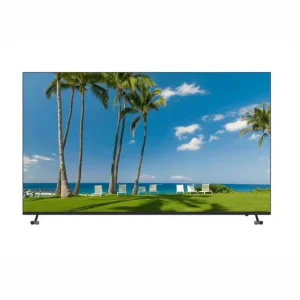 85" Flagship Large Format
Melbourne Executive: High-Quality 85-Inch 4K QLED Smart Voice TV, Flagship Display for Penthouse & Commercial Venues
Request B2B Pricing → -
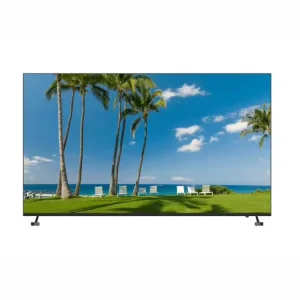 100" Commercial Armored
Crown Precinct Grade: High-Quality 100-Inch 4K Explosion-Proof TV with Tempered Glass for Melbourne Venues & KTVs
Request B2B Pricing → -
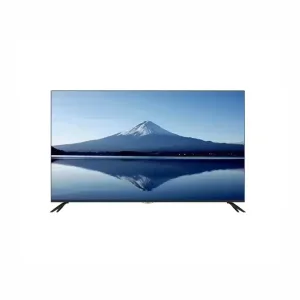 50" Ultra-Slim UHD
Yarra Living Series: Wholesale Frameless 50-Inch 4K QLED Smart TV with HDR for Residential & Project Developments
Request B2B Pricing → -
32" Compact webOS Hub
Carlton Student Living: OEM 32-Inch Full HD webOS Smart TV with Magic Remote Support for Studio Apartments
Request B2B Pricing → -
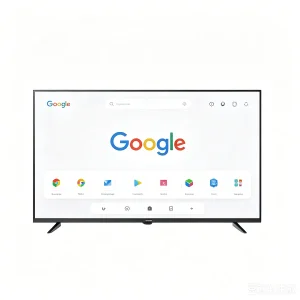 43" Premium Quantum Dot
Retail Brand Fleet: High-Quality 43-Inch 4K QLED Smart Display, Direct Export Network Factory Supply for Melbourne Stores
Request B2B Pricing → -
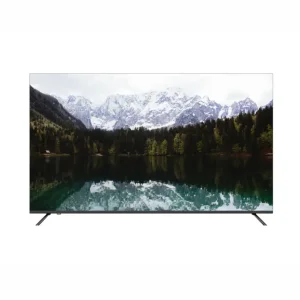 65" Pure Black OLED
St Kilda Premium: High-Quality 65-Inch 4K OLED Self-Emissive Display with Dolby Vision HDR for Ultra-Luxury Fitouts
Request B2B Pricing → -
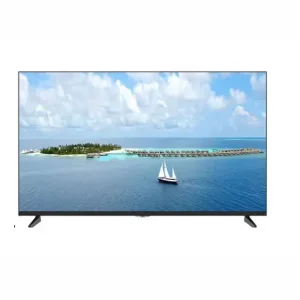 55" Hotel & BTR Benchmark
Southbank Core: High-Quality 55-Inch 4K QLED Smart TV, Borderless Industrial Aesthetic for Victoria Hotel Suites
Request B2B Pricing → -
43" AI webOS Workhorse
Melbourne Commercial Fleet: OEM 43-Inch 4K UHD webOS Smart TV with ThinQ AI Voice Engine for Hotel & Commercial Export
Request B2B Pricing →